
Within the framework of the ASEAN City Leaders' Conference, on June 9, the Hanoi Department of Tourism organized a field visit and survey program for international and domestic delegates at two key relics: the Thang Long Imperial Citadel Heritage Site and the Van Mieu - Quoc Tu Giam National Special Relic.
The survey delegation includes leaders of localities from Laos, Cambodia, Myanmar, Thailand, Timor-Leste, Indonesia and experts from the ASEAN and East Asia Economic Research Institute (ERIA), representatives of diplomatic and local agencies of Vietnam.
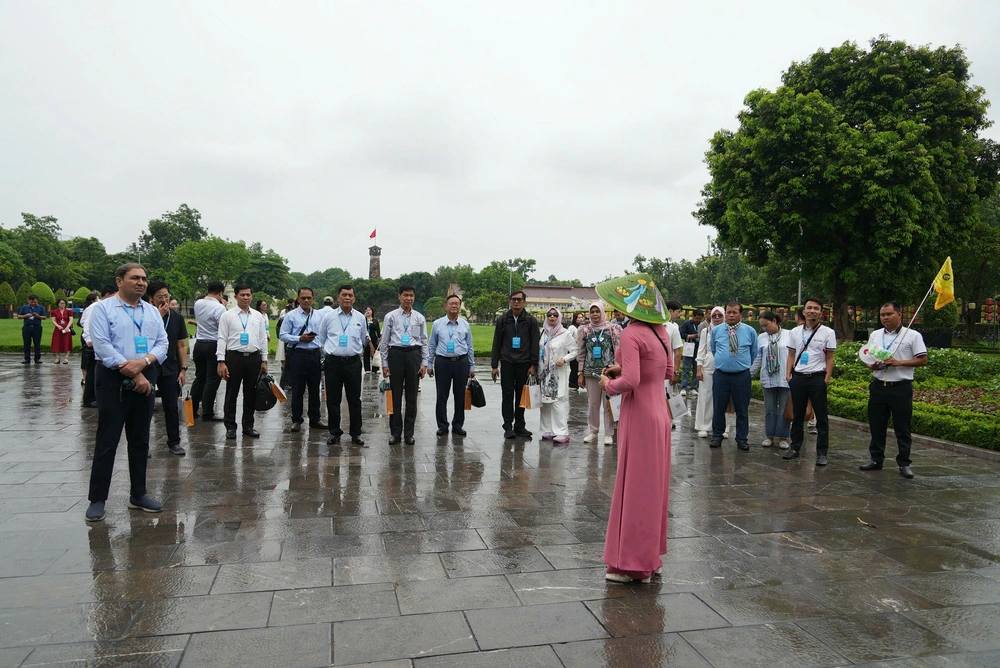
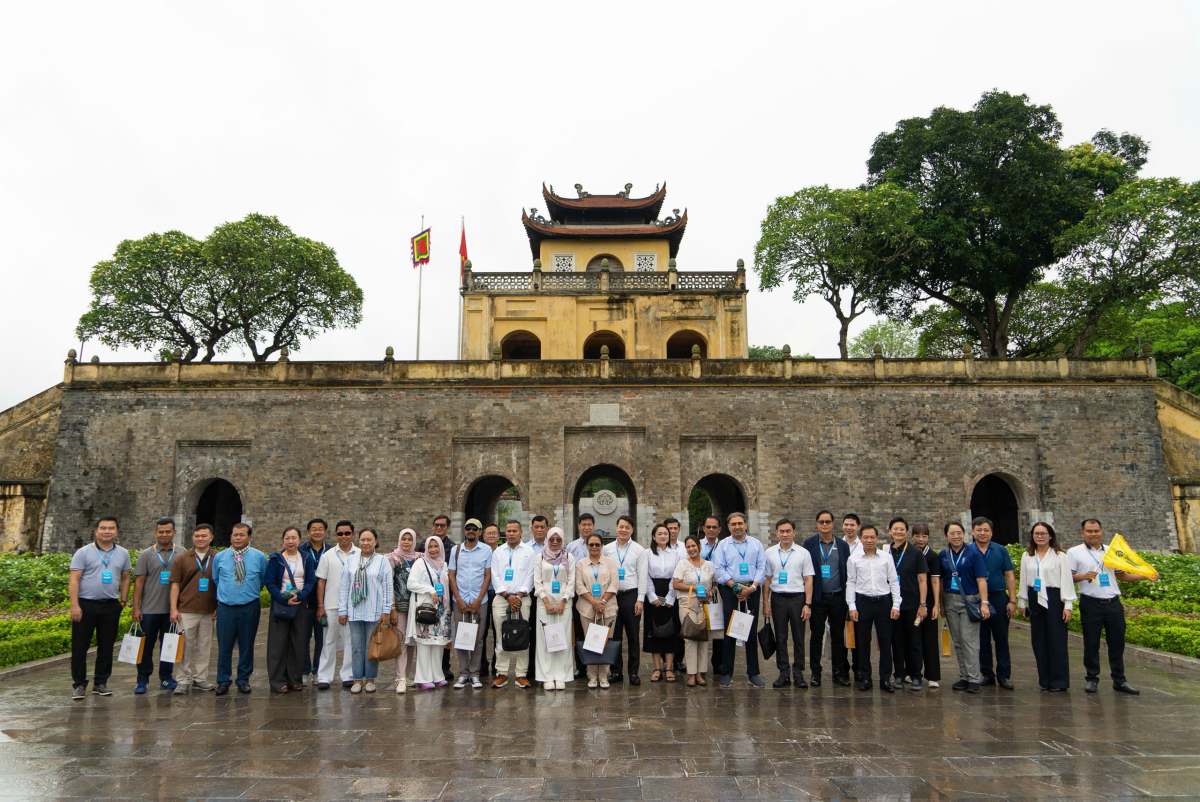
The first stop is Thang Long Imperial Citadel - a World Cultural Heritage recognized by UNESCO in 2010. In the space preserving traces of more than a thousand years of history, delegates visited Doan Mon Gate, Kinh Thien Palace Dragon Terrace, House and Tunnel D67, and learned about artifacts at the display system of the heritage area.
Not only stopping at historical stories, the journey also brings a unique cultural experience when the delegation enjoys water puppetry art - a type of folk art associated with Vietnamese people's lives for centuries.
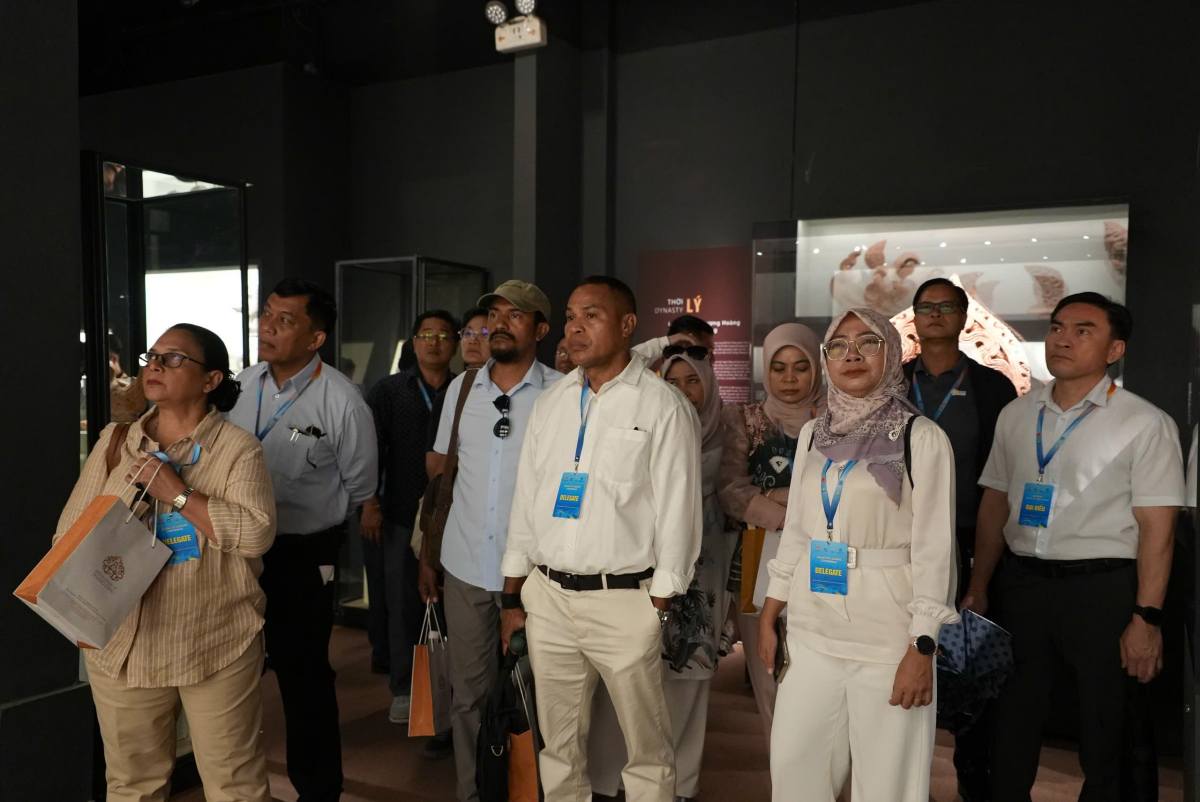
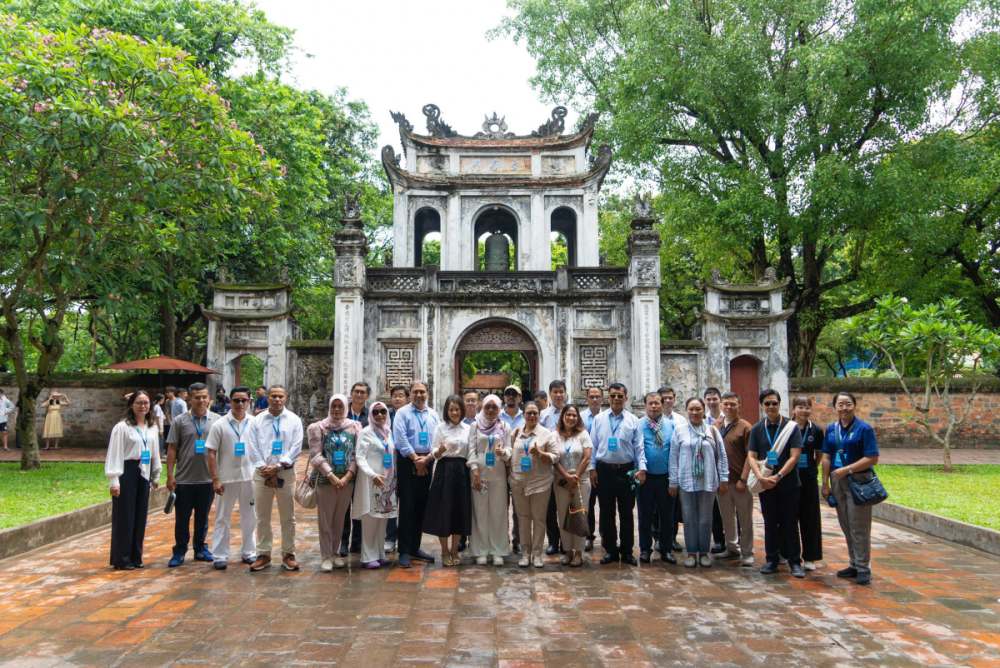
Leaving Thang Long Imperial Citadel, the delegation continued to Van Mieu - Quoc Tu Giam, a place considered a symbol of the tradition of studiousness and the spirit of respecting teachers and valuing morality of the Vietnamese nation.
Here, delegates visited Khue Van Cac, Dai Thanh Area, Thai Hoc Area and the Quoc Tu Giam exhibition space. In particular, the Doctoral Stele Garden attracted the attention of many international guests. This is a documentary heritage belonging to the World Memory Program, recording the names of successful people in the imperial examinations under the Vietnamese feudal dynasties.
Through the "Si Tu" exhibition space, delegates have a more vivid perspective on the journey of learning and exams of ancient Vietnamese people as well as the cultural values preserved through many generations.
Despite the rainy weather in Hanoi, the delegation was still excited to visit and learn about the destinations. The practical experiences helped delegates better understand the cultural depth of the Capital, and at the same time feel the intersection between tradition and modernity in Hanoi's development process.
According to the Hanoi Department of Tourism, the survey activity is an opportunity to introduce to international friends the outstanding values of Hanoi's destination, from cultural and historical heritage to a safe, friendly and quality tourism environment.
Through the tour program, international delegates have more opportunities to access typical cultural and historical values of Hanoi Capital. The activity also contributes to strengthening exchanges and connections between Hanoi and localities in the ASEAN region, promoting the image of a destination rich in cultural identity and heritage.


