
According to the Department of Culture, Sports and Tourism of Ca Mau province, cultural, sports and tourism activities during the holidays are vibrant, safe, and complicated incidents do not arise.
On-duty work, ensuring security and order, fire prevention and fighting at agencies, units, relics and tourist areas and attractions are strictly implemented.
Tourism service business establishments maintain stable operations, publicly list prices, sell at the right prices, ensure service quality and food safety and hygiene. Throughout the holiday, negative feedback from tourists has not been recorded.
Many cultural, artistic, sports, and entertainment activities are organized widely.
Propaganda work to celebrate the Liberation of the South and International Labor Day is deployed synchronously, contributing to traditional education and improving spiritual life.
The highlight is the art program, fireworks display on the evening of April 30th at Phan Ngoc Hien Square and the 80th anniversary of the Giong Bom Battle, attracting a large number of people and tourists to participate.
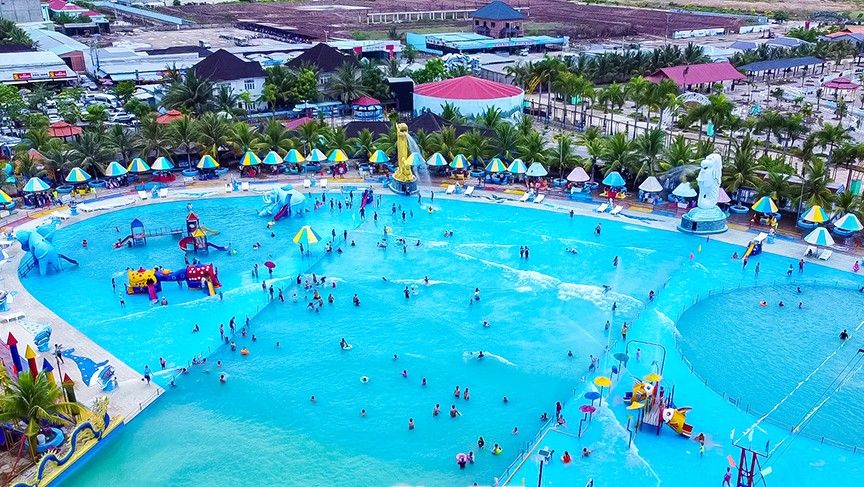
The system of tourist areas, attractions, and relics is well prepared, arranging forces to serve and guide visitors. Amusement parks, entertainment areas, especially destinations for families and children, recorded a high increase in the number of visitors.
The total number of visitors and tourists during the 4-day holiday is estimated at 397,200, an increase of 7.8% compared to the same period in 2025; including nearly 2,000 international visitors. Total tourism revenue reached about 372.2 billion VND, an increase of 19.4%.
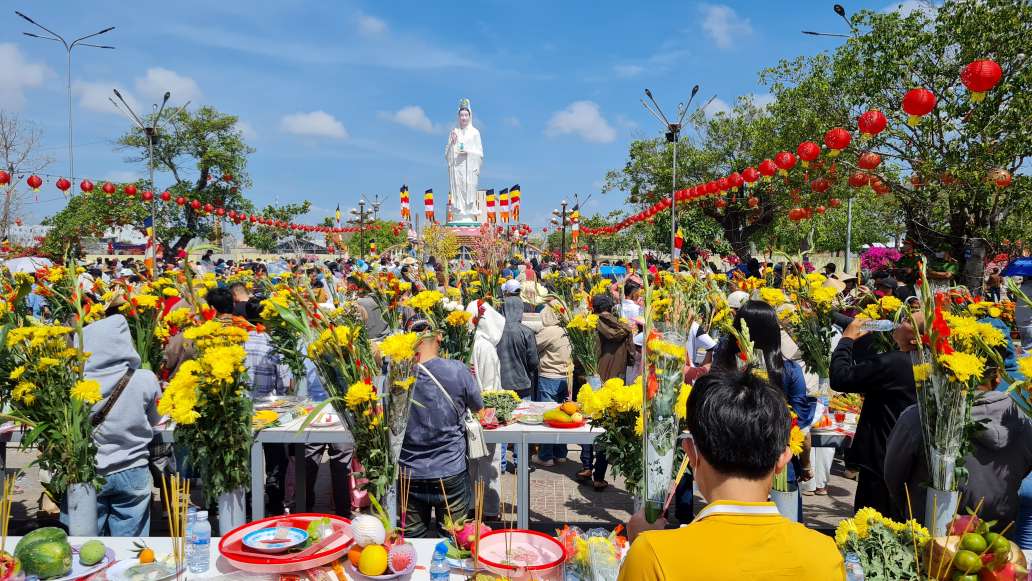
Some popular destinations such as Dat Mui Tourist Area, Hon Da Bac, Phan Ngoc Hien Square, Hung Vuong Square, Quan Am Phat Dai, Tac Say Church... Community tourism models in Dat Mui commune and events such as the Southern Folk Cake Festival also contribute to increasing the experience for tourists.
According to assessments, the number of visitors increased sharply right from the beginning of the holiday, concentrated at event venues and key tourist areas.
This result reflects the effectiveness of organizing, promoting, and stimulating tourism demand, and at the same time affirms that Ca Mau continues to be an attractive destination.


