
Turning heritage into development resources
In a series of activities to celebrate the 51st anniversary of the Liberation of the South and National Reunification Day (April 30, 1975 - April 30, 2026), Ca Mau province organized a scientific conference "Preserving and promoting heritage values associated with tourism development". This is considered an opportunity for the locality to look back at its potential, identify bottlenecks and find solutions for the problem of tourism development from existing values.
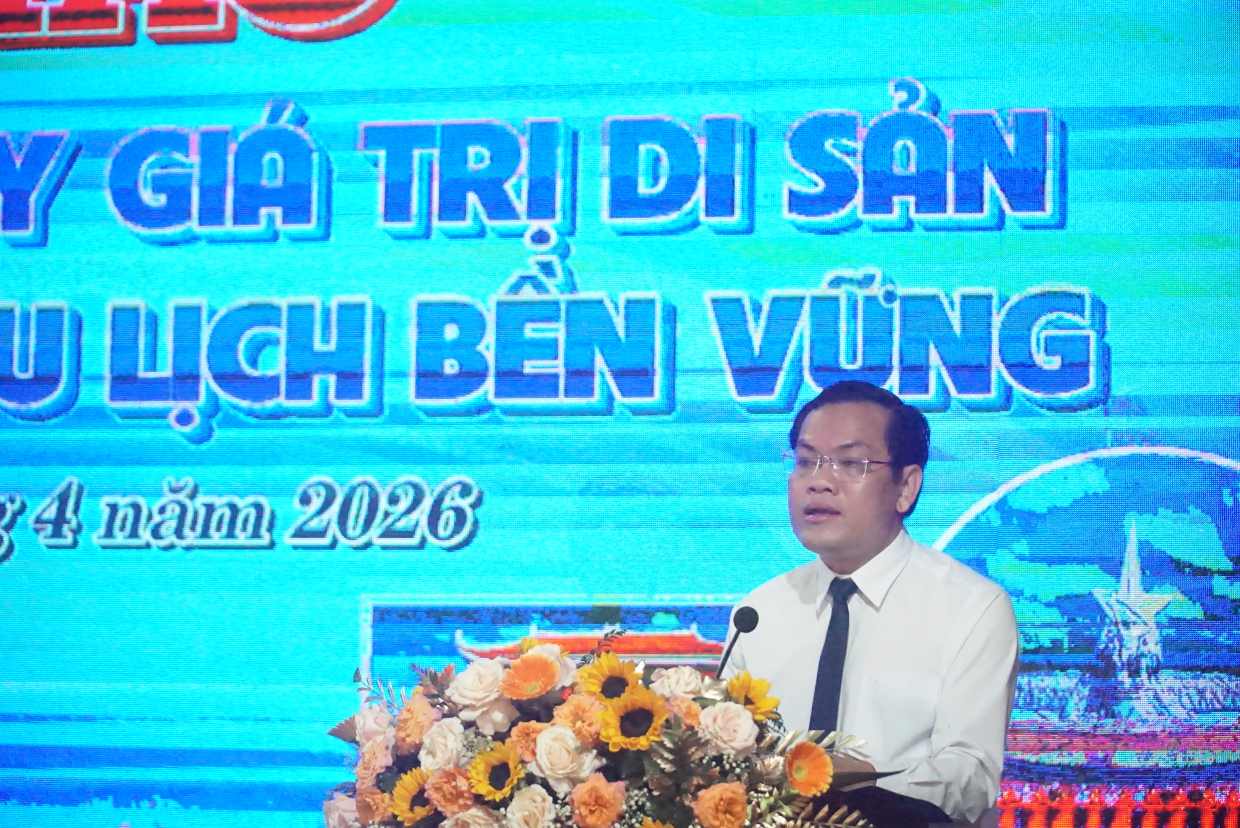
Speaking at the workshop, Mr. Ngo Vu Thang - Vice Chairman of Ca Mau Provincial People's Committee - emphasized that cultural heritage is not only values that need to be preserved, but must become an endogenous resource serving socio-economic development.
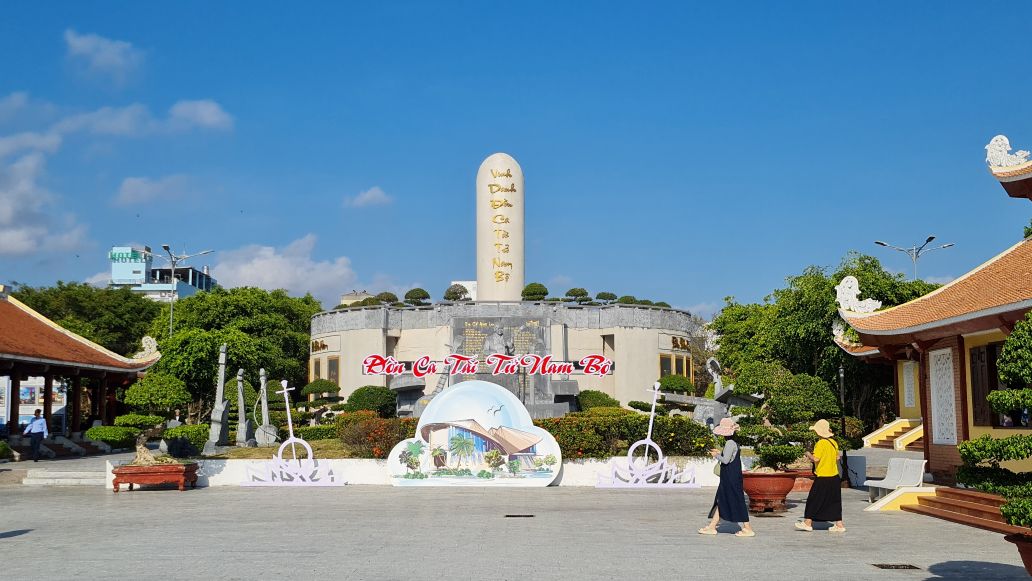
According to statistics, Ca Mau currently has 112 ranked relics along with 8 intangible cultural heritages. Among them, Southern Don ca tai tu is listed by UNESCO as a representative intangible cultural heritage of humanity. In addition, the locality also possesses many unique values such as the beehive guarding profession in U Minh Ha forest, Nghinh Ong Song Doc Festival, traditional craft villages and unique forest-sea ecosystems that are rarely found anywhere else.
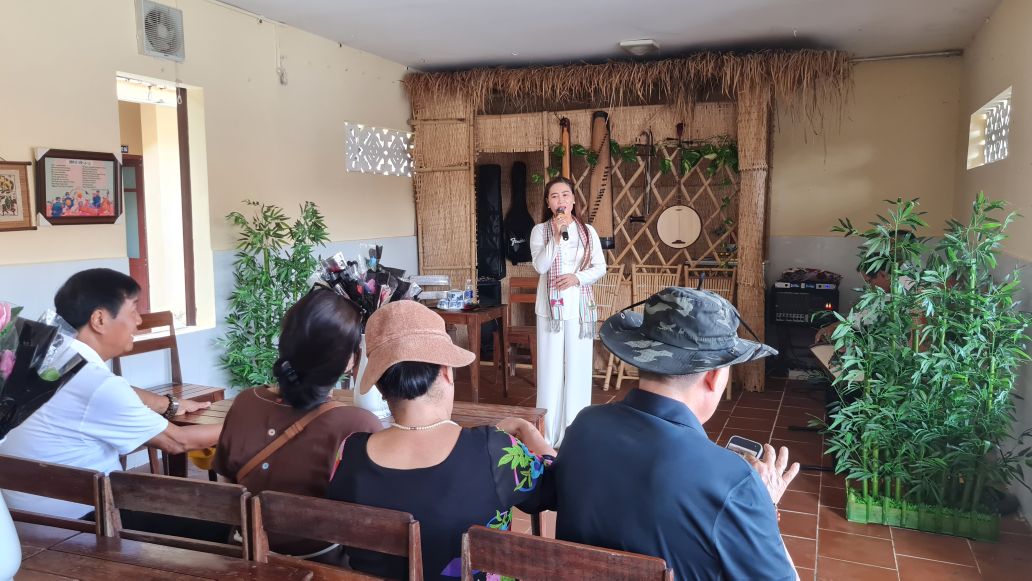
These values are not only of historical and cultural significance but also a great competitive advantage if they are exploited in the right direction. With a unique ecosystem combining the cultural identity of forest and coastal areas, Ca Mau has many conditions to develop experiential, ecotourism, community and discovery types of tourism.
However, many opinions at the conference also frankly acknowledged that Ca Mau's heritage tourism is still not commensurate with its potential. Tourism products are still monotonous, lacking unique imprints; the connection between destinations is still fragmented; transportation infrastructure and support services have not met the increasing needs of tourists.
In particular, the transformation of heritage values into competitive tourism products in the market is still the biggest bottleneck. Many heritages have only stopped at the level of preservation and display, and have not really become attractive experiences to attract tourists and create sustainable revenue.
Connect destinations, elevate experiences
To awaken this potential, experts propose many strategic solutions, which emphasize the constructive role of the government, the participation of businesses and the community.
Dr. Thai Van Long - Chairman of the Ca Mau Provincial Historical Science Association - proposed the model "One destination - Multi-experience". Accordingly, it is necessary to build continuous tourist routes, connecting historical destinations in the mainland with sea, island and ecotourism.
He believes that an inter-regional heritage corridor can be formed from the Bac Lieu Prince's mansion, through revolutionary bases, resistance forest villages to Ca Mau Cape. This tourist route not only expands the experience space for tourists but also creates regional links, increasing the attractiveness for the entire Ca Mau peninsula region.
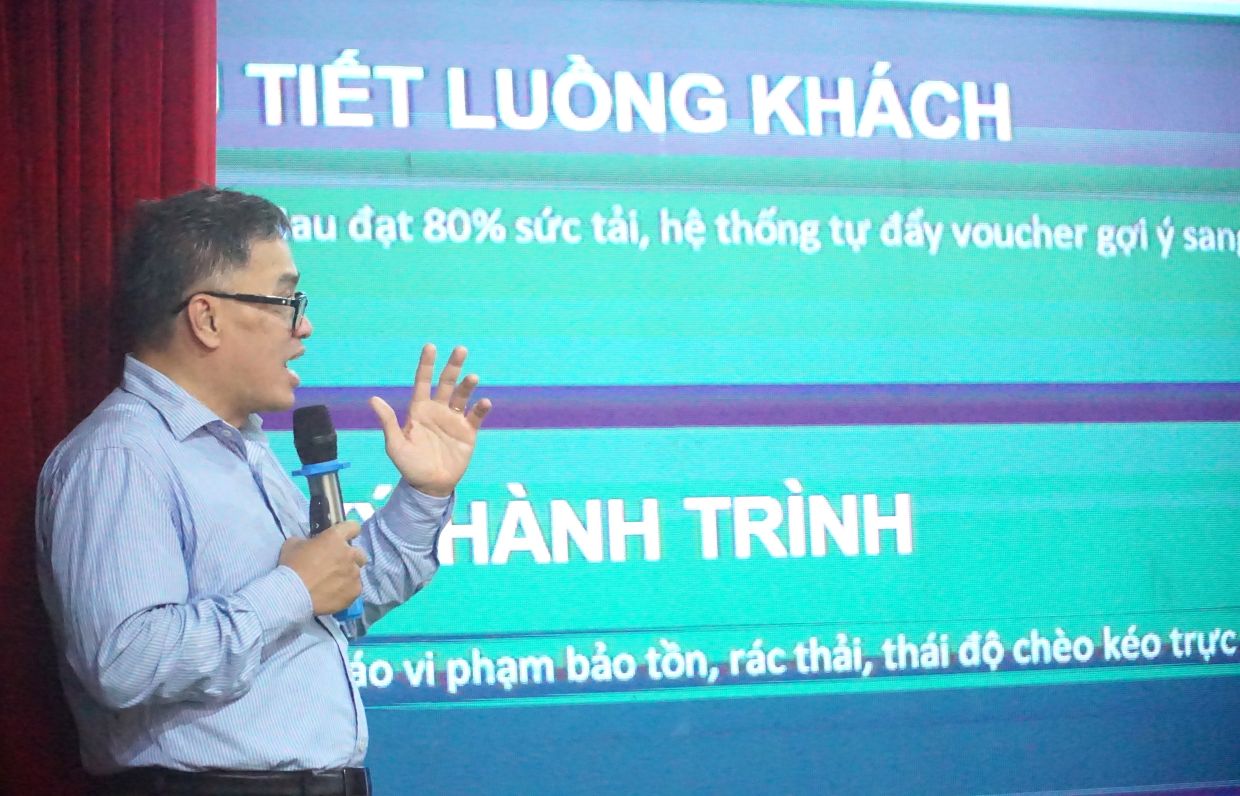
From another perspective, Dr. Pham Van Luan - Ho Chi Minh City University of Culture - suggests a slow tourism development direction - a trend that is being favored by many tourists. Accordingly, the journey can start from the "don ca tai tu" space in Bac Lieu, then go down to Ca Mau to experience the melaleuca forest, the beehive keeper profession, local cuisine and the simple rhythm of life of the Mui land residents.
According to experts, to realize these ideas, Ca Mau needs to prioritize strong investment in connecting transport infrastructure, especially the Can Tho - Ca Mau expressway, inter-regional national highways and upgrading Ca Mau airport. When infrastructure is improved, shortened travel time will create great motivation for tourism to break through.
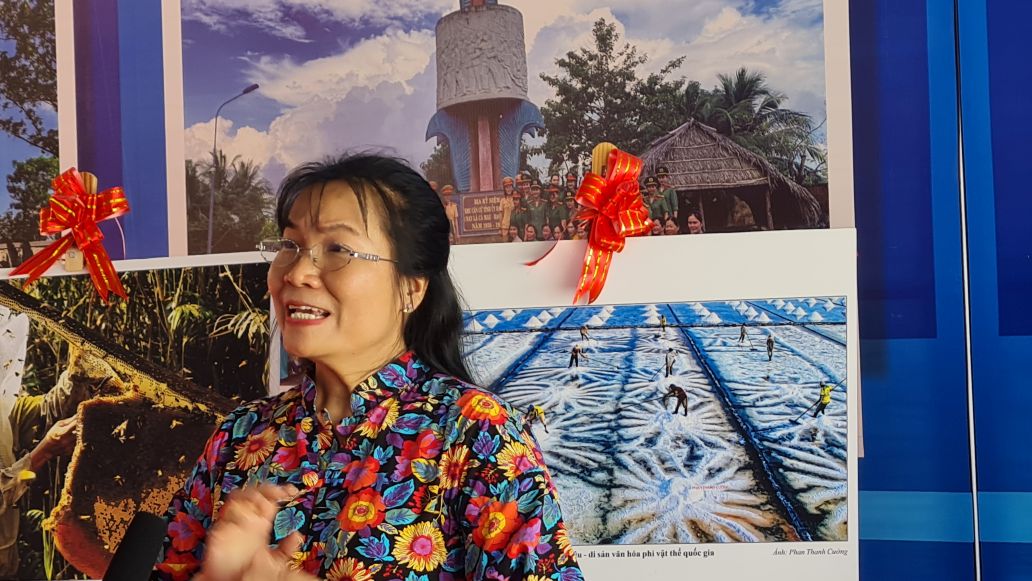
In addition, sustainable tourism development must put people at the center. When the community directly participates in tourism, people not only have additional income but also become people who preserve, tell stories and spread local cultural identity in the most authentic way.
Along with that, training tourism human resources, improving service skills, applying digital technology, and digital interpretation at destinations are also considered urgent requirements in the context of increasing competition.
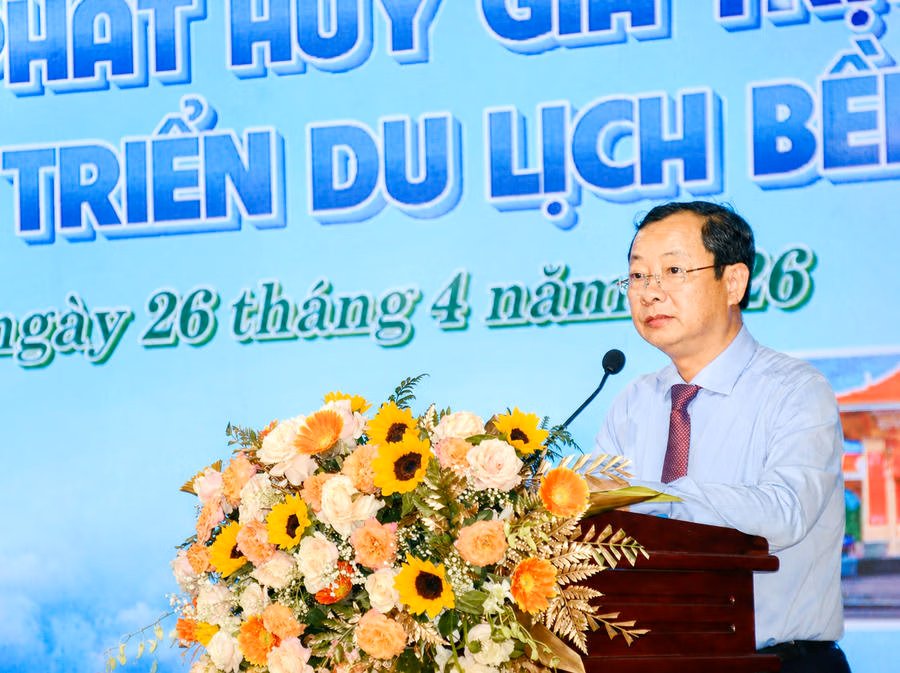
Mr. Nguyen Quoc Thanh - Director of the Department of Culture, Sports and Tourism of Ca Mau province - said that functional sectors will absorb opinions and develop specific solutions to bring heritage out of the state of "static preservation", becoming a lively resource directly contributing to socio-economic development.
When heritage is properly awakened, tourists coming to Ca Mau will not only admire the natural landscape at the southern end of the sky, but also feel the depth of culture, history and unique vitality of the southernmost land of the Fatherland.


