
Since ancient times, humans have constantly sought to conquer nature and affirm their position on Earth.
That aspiration is clearly expressed through magnificent architectural works, many of which are built in unbelievably dangerous locations.
Not only having aesthetic value, these works are also symbols of perseverance, faith and the ability to create beyond limits.
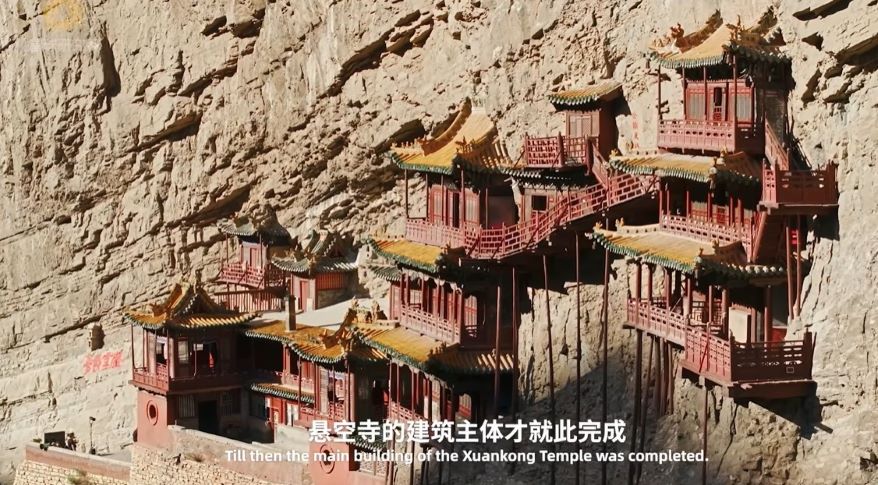
One of the typical works is Huyen Khong Tu - a famous hanging pagoda located precariously on a cliff near Hang Son, at an altitude of about 75 meters.
Built more than 1,400 years ago, the structure is mainly made of wood and is supported by bars deep into the cliffs, creating a feeling of being "hanging" in mid-air.
The special feature of the pagoda is the combination of worshiping three major religions including Buddhism, Taoism and Confucianism, reflecting a unique cultural intersection.
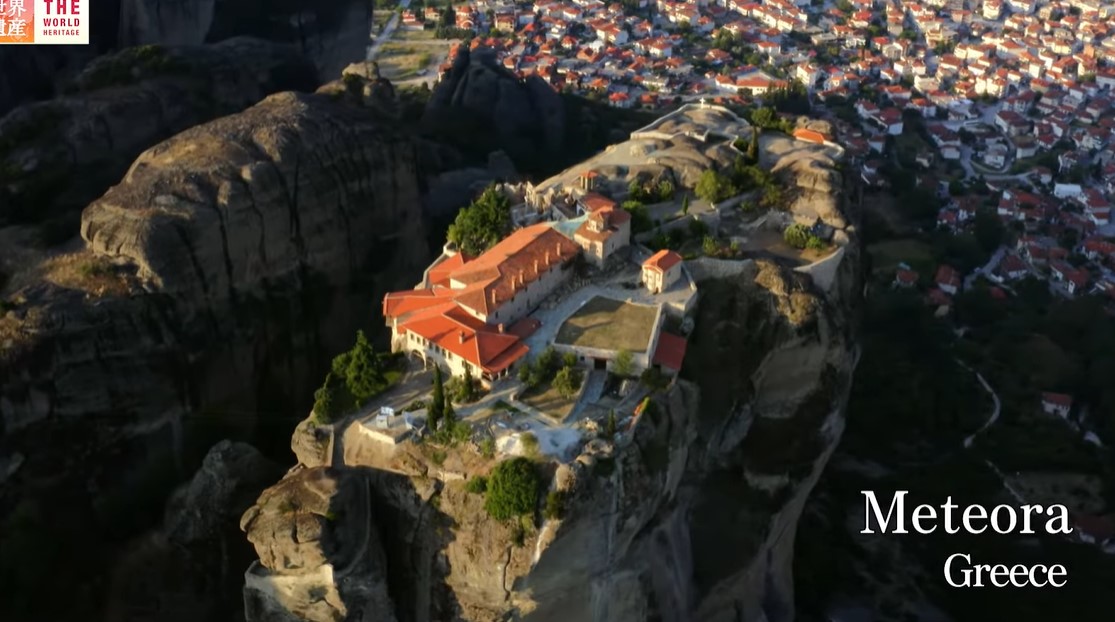
At Meteora, the monastery complex built on towering natural stone blocks also amazes many people. The name "Meteora" means "hanging in the air", reflecting the dangerous location of these structures.
Formed in the 15th century, monasteries could only be accessed by cable ladders or hanging baskets. Currently, only 6 monasteries are still operating but still enough to create one of the most prominent architectural and religious wonders of the world.
Not only are there ancient buildings, modern architecture also leaves its mark with bold designs. Capital Gate is a typical example.
This 160-meter-high building attracts attention with an inclination of up to 18 degrees, recognized by Guinness World Records as the building with the largest inclination created by humans.
This achievement shows the outstanding development of construction techniques in the new era.
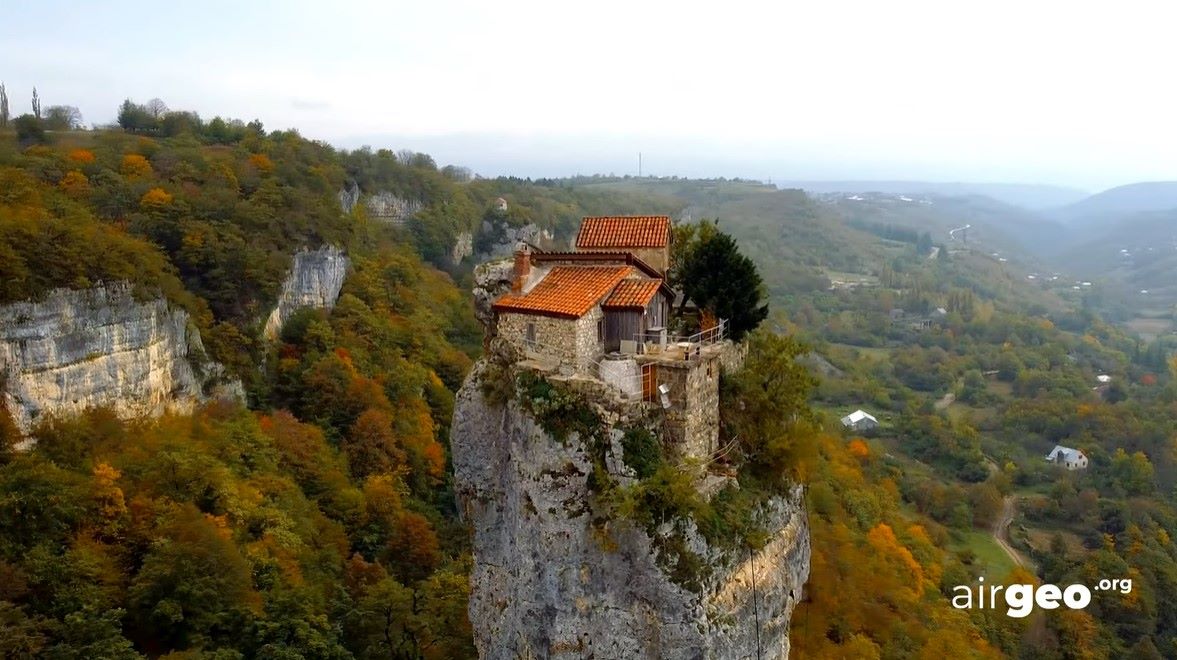
In western Georgia, Katskhi Pillar is one of the most isolated monasteries in the world.
The building is located on top of a nearly 40-meter-high limestone pillar, once a place of cultivation for hardship seekers for centuries. The isolation and danger of the terrain make this place a symbol of spiritual life.
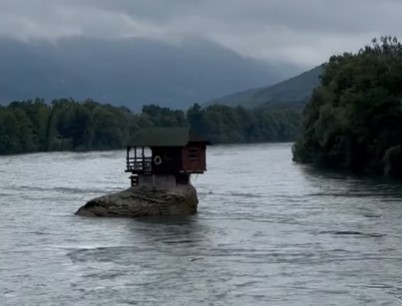
Meanwhile, in Serbia, the small house on the Drina River tells a different story about resilience.
Built in 1968 on a rock in the middle of a fast-flowing river, this project has been swept away by floods many times but is always rebuilt.
The persistent existence of the house has turned it into a symbol of will and spirit of indomitableness to nature.
Architectural works in dangerous locations are not only tourist destinations or technical achievements, but also vivid proof of the desire to transcend human limits.


