
On the journey to explore global cuisine, many tourists fall into a "cry-laughing" situation when facing strange dishes.
In a small restaurant in a foreign land, trying local dishes is sometimes not only a cultural experience but also a psychological and palate test. There are dishes considered specialties in the homeland, but they cause concern for outsiders.
In Japan, pufferfish (fugu) is a famous dish but contains a high risk of poisoning. This fish contains strong toxins, requiring chefs to be trained and licensed strictly. However, the dish still attracts diners because of its uniqueness and value of experience.
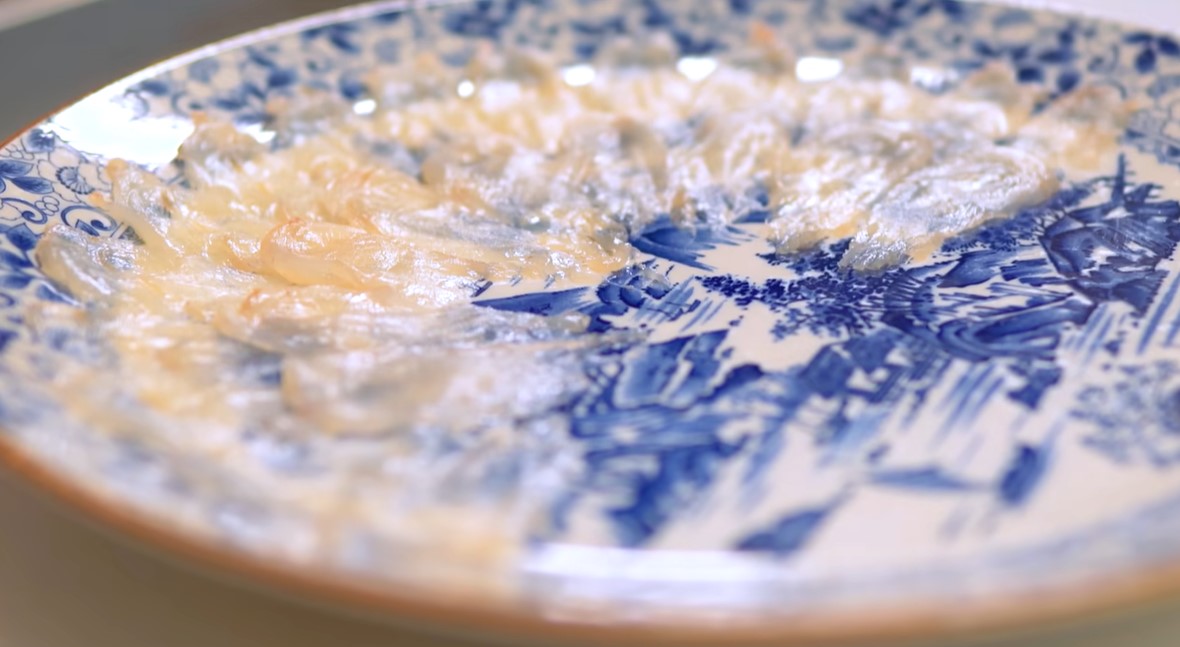
In China, some dishes from animal parts such as beef penis are considered specialties and associated with the concept of nourishing health. These dishes are often processed in soups, with characteristic textures and flavors.
In Peru, guinea pig (cuy) is a long-standing traditional dish. Unlike many elaborately prepared dishes, guinea pig cuy is often served whole, clearly reflecting local culinary customs.
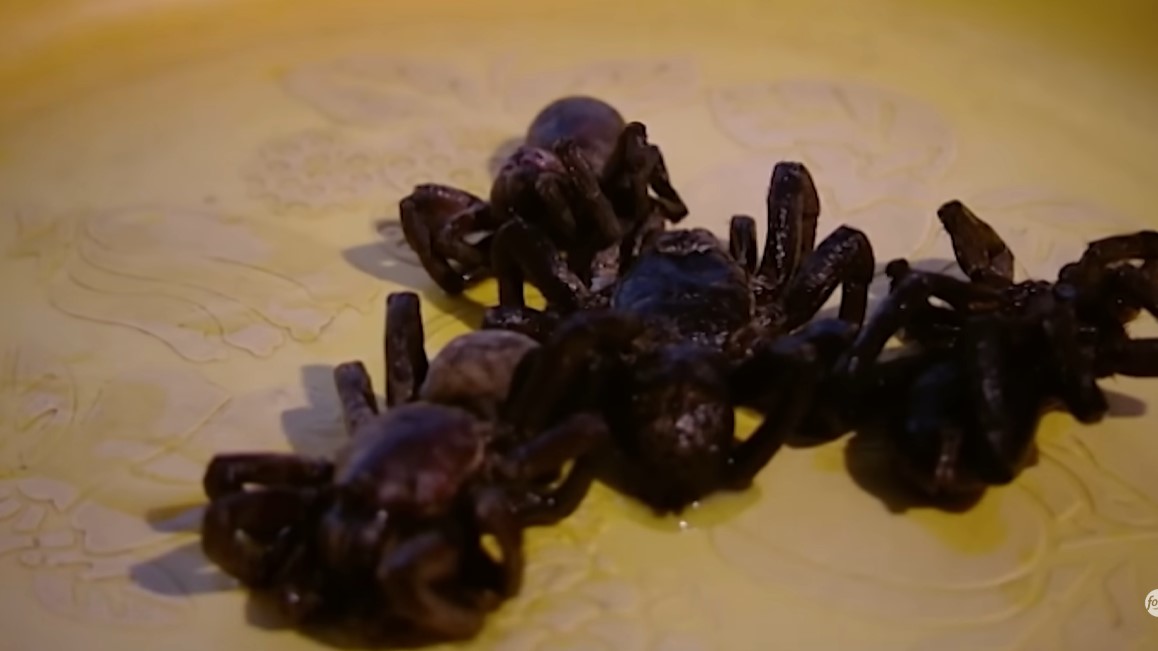
In Cambodia, fried spider is a popular dish in some localities. This dish is simple to prepare, often fried crispy with spices, creating a unique flavor.
Sago worms (coconut worms) are larvae of red pheasant beetles (Rhynchophorus ferrugineus), often living and eating the trunks of sago palm trees and coconut trees.
They are nutritious specialties in Southeast Asia (Malaysia, Indonesia, Vietnam), ivory white, finger-sized and greasy.
Meanwhile, in Thailand, field mouse meat is a familiar dish in some rural areas. Rats are caught from rice fields, then processed with spices, creating a flavor that is considered easy to eat.
In Iceland, hákarl (fermented shark) is considered a traditional dish but has a rather heavy taste. The processing process takes a long time to reduce natural toxins in the fish meat.
However, dishes considered "hard to access" for some people clearly reflect the natural conditions, history and customs of each country.
In the context of increasingly deep international exchange, culinary differences become part of a cultural experience.
Approaching exotic dishes needs to be accompanied by respect for local culture, while considering food safety factors. Cuisine, after all, is not just a story of taste but also how each community preserves and expresses its identity.


