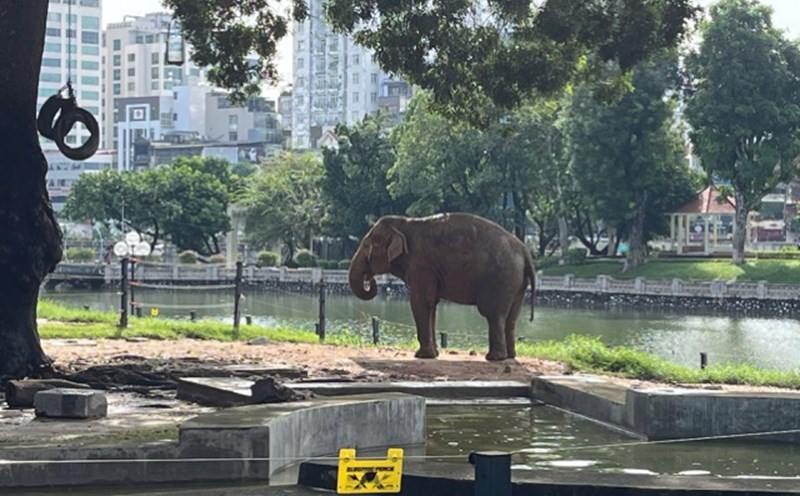
West Bengal state health officials are conducting Nipah virus tests on bats to track down and control the source of infection, after detecting 5 cases of Nipah virus infection in this eastern state.
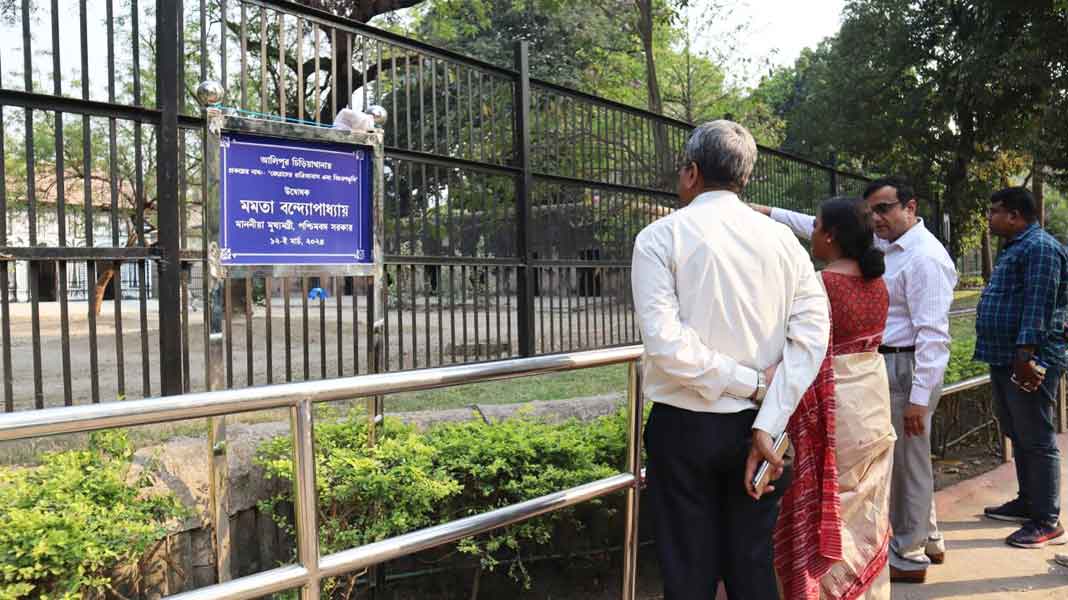
RT-PCR tests have been performed on bats at the Alipore Zoo in Kolkata, and the sampling has been expanded to many other areas in West Bengal, aiming to identify the natural reservoir of the Nipah virus.
Ms. Tripti Sah, Director of Alipore Zoo, said that the sampling was carried out according to safety procedures.
West Bengal officials emphasized that the virus is not at risk of rapid community spread, and said that preventive measures have been strengthened at the Alipore Zoo, which welcomes millions of visitors each year.
Currently, Nipah virus testing on bats is being conducted in the areas of Madhyamgram, Barasat, Basirhat and Kolkata.
West Bengal state health officials said bat test results will be available in the next few days, and Nipah virus control activities throughout the state will continue to be expanded to other areas, including Nadia district.
The Nipah virus is transmitted from animals to humans, in which fruit bats are identified as natural hosts. This is a disease that must be declared in India, due to lack of vaccines and specific treatments, and is classified by the World Health Organization (WHO) as a high-risk pathogen group.
In early January, at least 5 medical staff in West Bengal were infected with the Nipah virus, raising concerns not only in India but also in many Asian destinations.
Before the developments of the Nipah virus epidemic in India, Thailand, Nepal, Hong Kong and Taiwan (China) have strengthened medical surveillance and control of entry passengers.
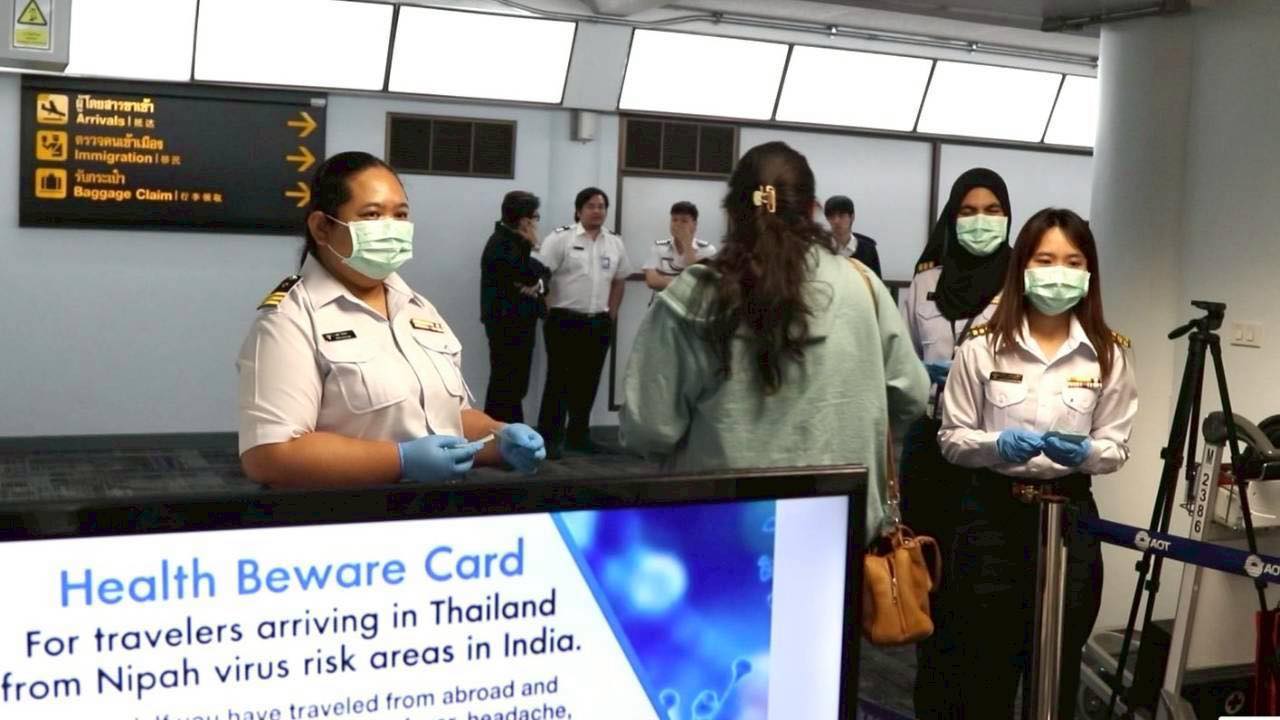
In Vietnam, Noi Bai, Tan Son Nhat, Phu Quoc international airports and other airports are strengthening monitoring of passengers from high-risk areas to prevent the epidemic caused by the Nipah virus from entering Vietnam.
Passengers are advised to strictly comply with the medical examination process, truthfully declare their health condition and cooperate with the quarantine force.
People should limit contact with wild animals, especially fruit-eating bats; do not use food at risk of pathogenic infection; eat cooked food, drink boiled water and clean hands regularly.
Passengers need to proactively monitor their health within 14 days after the trip when moving to, from, or returning from areas with recorded cases. If symptoms such as fever, headache, muscle pain, vomiting, sore throat, dizziness, drowsiness or consciousness disorders appear, they need to quickly contact the nearest medical facility and fully notify the travel schedule.