
In the central position, Tang Phuc is no longer a singer who only shows the strength of his voice. He proactively expands his performance scope, combining dance, stage interaction and coordination with other artists to create a complete whole. This transformation shows the male singer's clear awareness of competitive pressure, as audiences are increasingly demanding higher standards from a performing artist.
Not only is it a personal story, Tang Phuc also plays the role of connecting and supporting young faces such as S.T Son Thach, Thai Le Minh Hieu or SWAN. The appearance of these artists is not simply "guests", but becomes part of the strategy to build a collective image - where each individual has the opportunity to express their own identity.
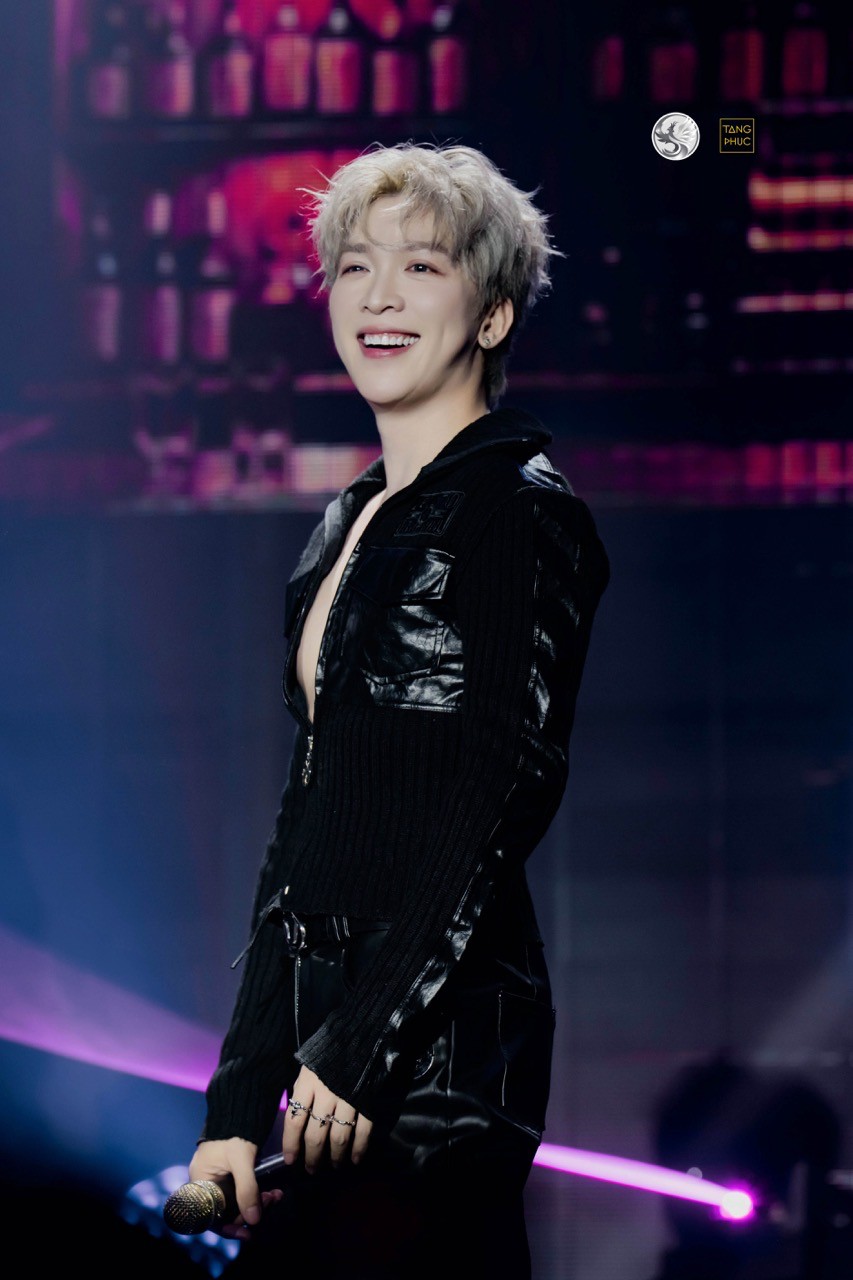
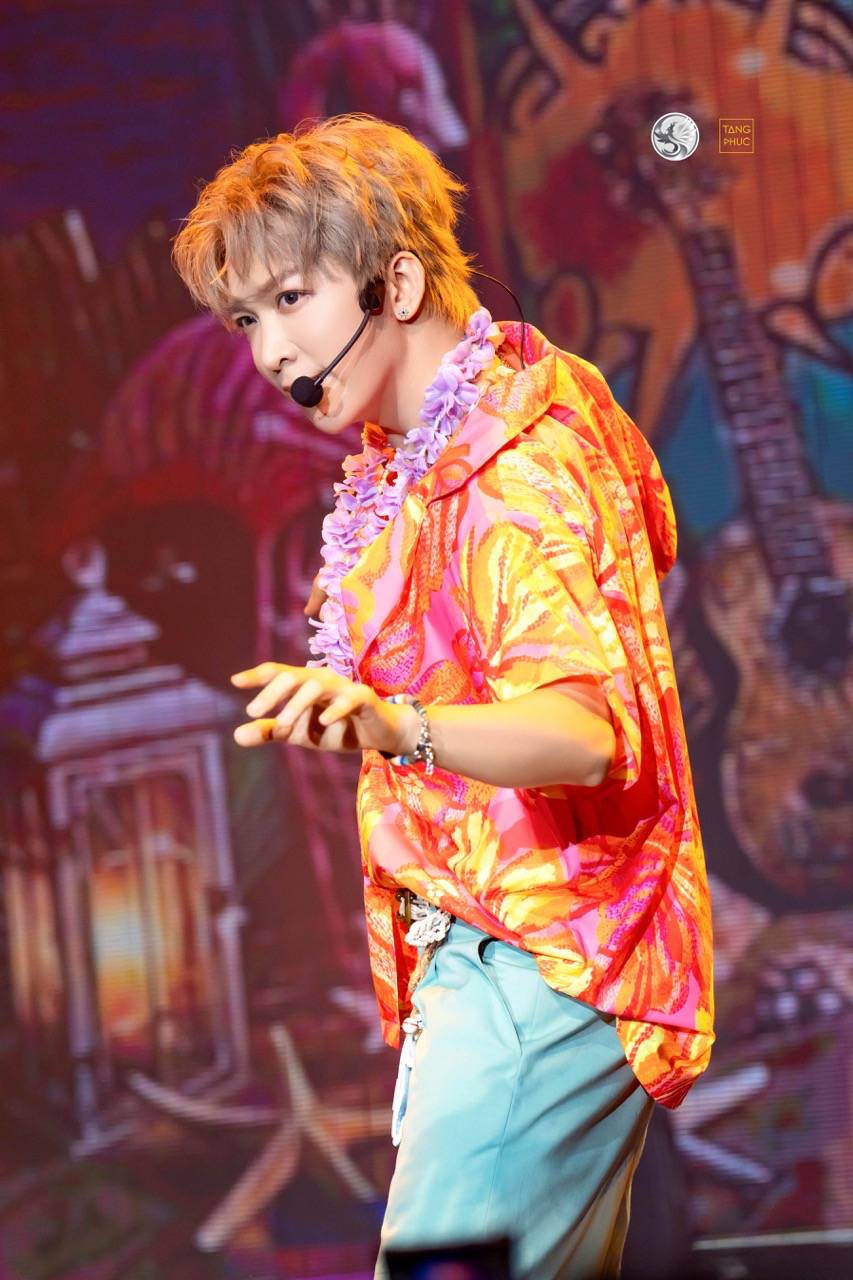
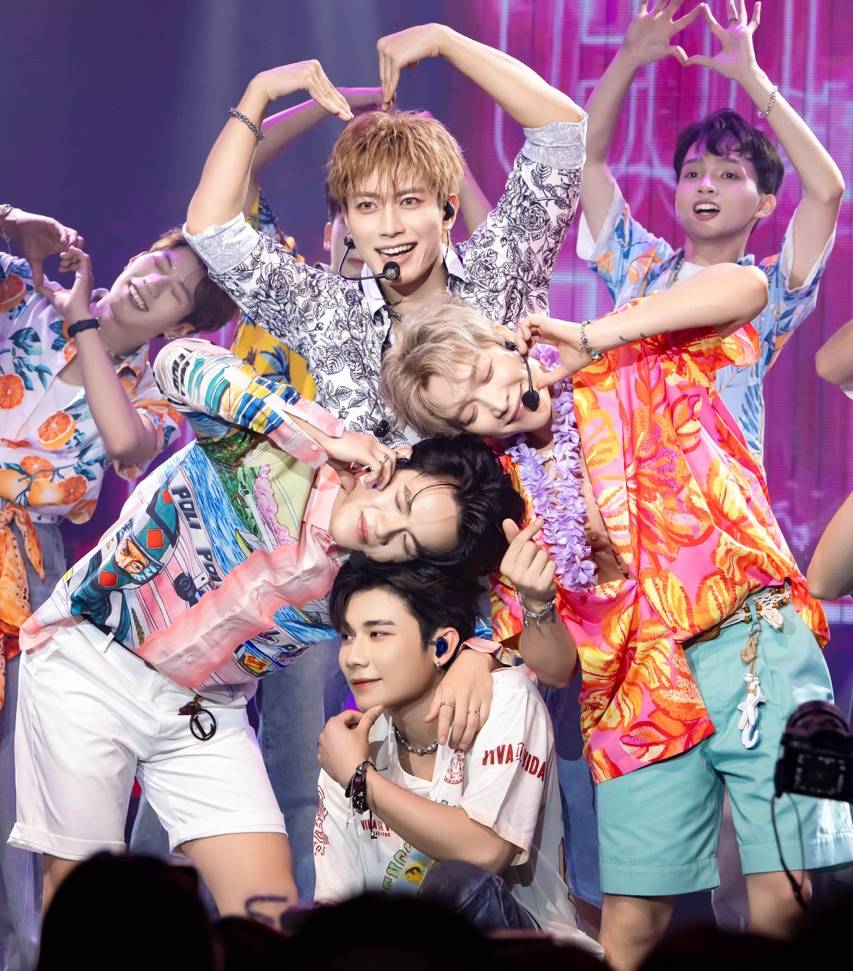

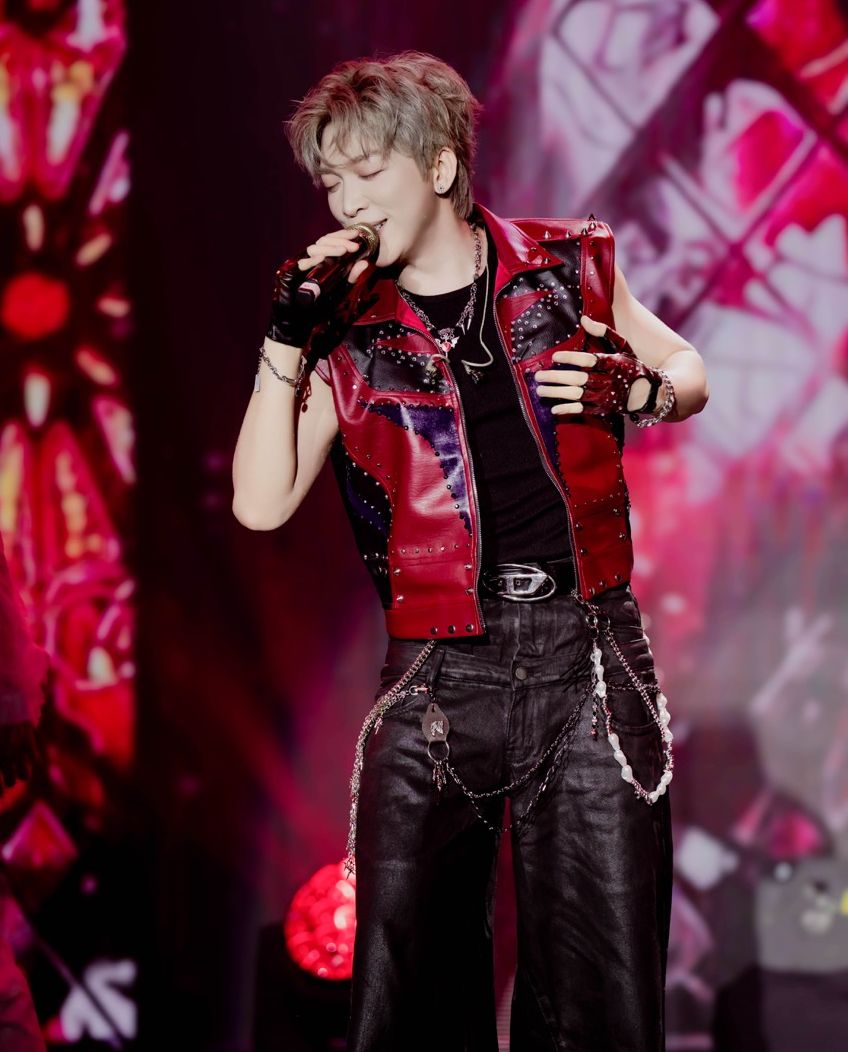
Behind that structure is Huynh Quoc Huy's production thinking. In the role of music director, he does not focus on pure visual effects but aims to honor artists' abilities. This is shown through the way of staging performances, allocating "performance space" and creating conditions for each singer to promote their strengths.
This approach reflects a noteworthy trend: artists not only need to be famous, but also must prove their long-term development ability. Huynh Quoc Huy admits that the biggest pressure is to continuously improve the image value for himself and the artist, because the market is no longer room for repetition.
From a professional perspective, investing in performance quality helps artists build trust with the audience. Tang Phuc, from a familiar voice, gradually shifted to a comprehensive artist image - both mastering the stage and showing meticulousness in each performance. This is an important factor in the context that audiences are increasingly strict with artistic standards.
Notably, the model that SLAY pursues also opens up a development space for the next generation of artists. Names like Thai Le Minh Hieu or Minh Huy have access to professional stages, while learning from predecessors. The connection between generations creates a sustainable development environment, instead of individual competition.
From the story of Tang Phuc and Huynh Quoc Huy, it can be seen that "upgrading" is not just an option but has become a mandatory requirement. Artists who want to maintain their position need to constantly change, while producers must create a suitable ecosystem for those changes to be effective.


