
On January 19, doctors of the Cardiovascular Intensive Care Unit, Da Nang Hospital said that they had just successfully treated a foreign patient in a state of heart shock, septic shock, and critical respiratory failure thanks to the timely deployment of ECMO (extracorporeal artificial heart and lung) technique.
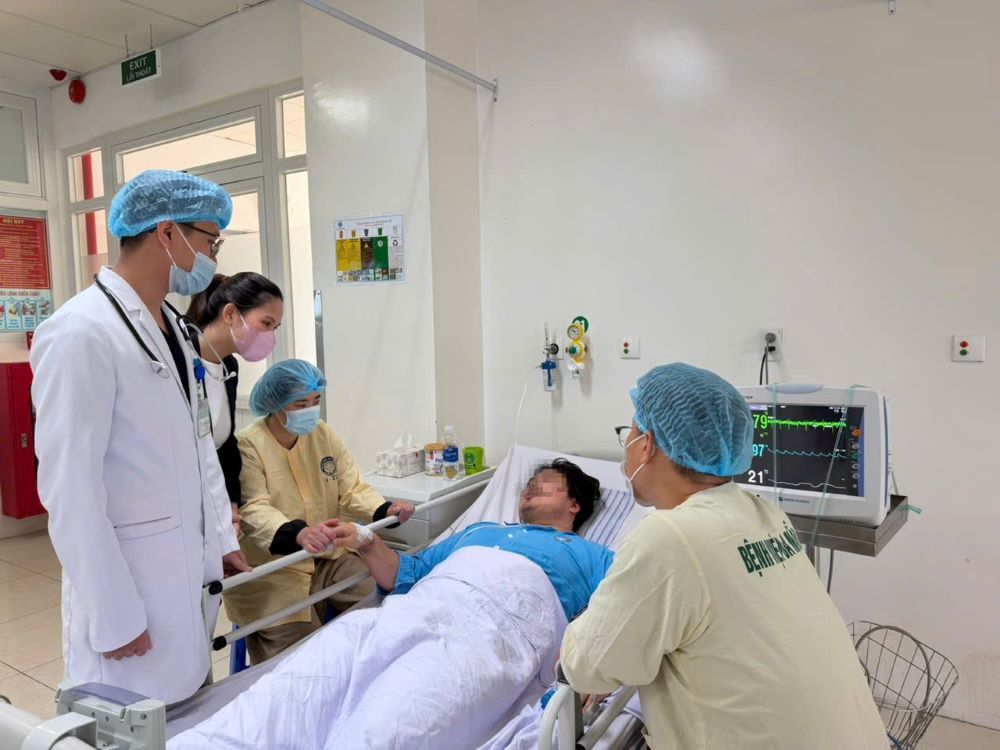
The patient is Mr. Kim J.H. (born in 2002, Korean nationality), transferred to Da Nang Hospital in a state of respiratory failure, heart attack with deep drop in blood pressure. Through examination and in-depth tests, doctors determined that the patient had myocarditis due to infection, progressing rapidly.
After inter-specialty consultation, doctors decided to prescribe VA-ECMO to support the heart and lungs, maintain circulation and blood oxidation, creating conditions for the heart muscle to recover for a period of time. The ECMO implementation process faced many challenges due to the patient's obesity, the placement of catheters and ECMO cannulas required high technique, rhythmic coordination and close monitoring by the resuscitation, anesthesia and surgical team.
With experience and careful preparation, the team successfully placed ECMO, ensuring safety for the patient. During the ECMO support period, the patient was treated with mechanical ventilation, deep sedative, muscle relaxation, antibiotics and continuous blood filtration, blood transfusion, platelets. After more than 6 days of treatment, the patient's heart and lung function improved significantly, meeting the conditions to quit ECMO.
After stopping ECMO, the patient continued to be monitored and received intensive resuscitation care. Currently, his health condition is stable, the patient is awake, breathing well on his own and has been discharged from the hospital.
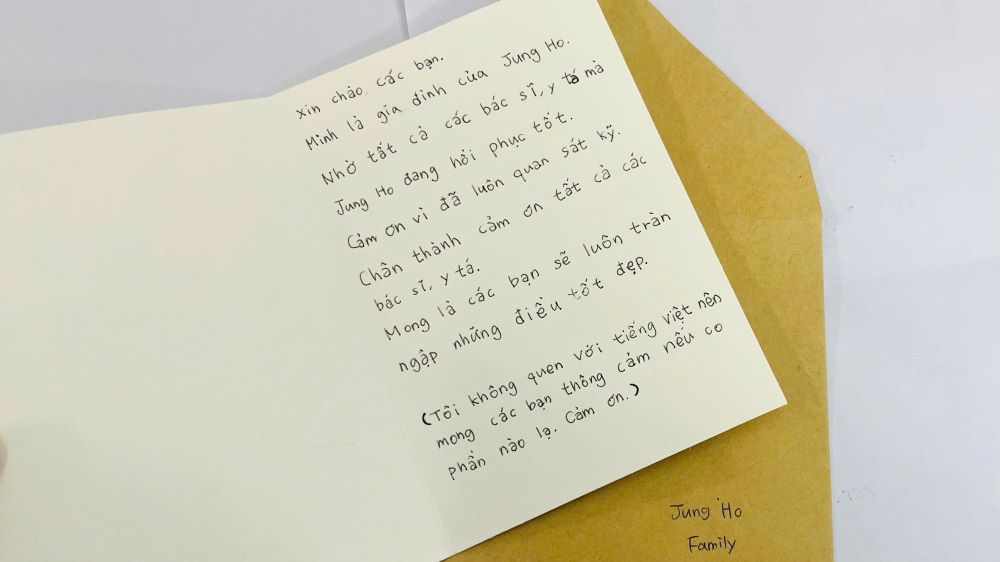
MSc.BS Nguyen The Minh Tung - Department of Cardiovascular Intensive Care, Da Nang Hospital said that through the above case, doctors want to send important messages to the community in protecting cardiovascular health, especially for young people.
Accordingly, people should absolutely not be subjective; if symptoms such as abnormal chest pain, gradually increasing shortness of breath, fatigue or fainting appear after a fever or flu, they should immediately go to a medical facility, because this may be a sign of myocarditis.
In addition, when the body is infected with the virus, it is necessary to comply with the principle of resting, not trying hard, avoiding heavy labor or high-intensity exercise because it can push the heart into a critical state; at the same time, get fully vaccinated, have regular health check-ups and maintain a healthy lifestyle to proactively prevent disease.
