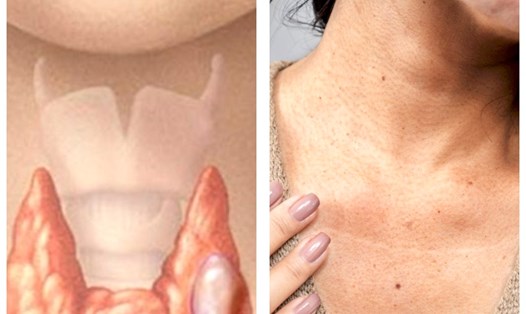
Patient N, 43 years old, from Hung Yen, was admitted to the hospital in a high temperature of 39°C, sore throat, and fatigue. Previously, the patient was diagnosed with Basedow and was treated at many medical facilities with synthetic anti-hyperthyroidism drugs (Thyrozol, then transferred to PTU).
During treatment, the patient had body itching, high fever, sore throat, and was diagnosed with decreasededingedingedingedingedingedingedingedingedingeding cells and treated as a inpatient at another hospital. However, symptoms recurred, so the patient continued to be taken to the Central Endocrinology Hospital.
Upon admission, the patient had a high fever, sore throat, a large thyroid gland that had spread, and a rapid heartbeat. Test results showed severe reduction in white blood cells.
According to MSc. Dr. Bui Manh Tien, Central Endocrinology Hospital, white blood cells are like bodyguards. With the current patient condition, this " Soldier" team is almost gone, making the body very susceptible to infection. The patient was diagnosed with white blood cholesterol due to synthetic anti-hyperthyroidism drug - sepsis - Basedow disease.
In the face of the critical situation, the team of doctors in the Emergency Department immediately stopped taking anti-thyroid drugs, and coordinated with broad-spectrum antibiotics, using Filgrastim antibodies, controlling heart rate and compensating for electrolyte.
During treatment, the patient had continuous high fever and fatigue, but was closely monitored by the medical team. After 7 days of active treatment, the patient was stable.
This case is a clear demonstration of the importance of close monitoring in the treatment of Basedow disease with synthetic anti-thyroid drugs. Early detection and timely treatment of side effects such as reducing white blood cells can help patients avoid the risk of sepsis and death.
The doctor recommends that Basedow patients being treated with anti-thyroid drugs need to have regular check-ups and check their blood formula regularly.
When there are signs of fever, sore throat, fatigue, mouth ulcers, etc., patients must stop taking medicine immediately and go to the nearest medical facility for timely examination, testing and treatment.
white blood thunderstorms are rare but extremely dangerous complications. The successful treatment at the Central Endocrinological Hospital once again shows the important role of monitoring, early detection and multidisciplinary coordination in the treatment of complex endocrine diseases such as Basedow.