
However, for AI to truly create growth, SMEs cannot deploy in a trendless manner but need a clear roadmap from experimentation, proactiveness to systematization. This is not just a matter of technology, but a step towards thinking and operating models.
The first phase of this journey is a directional experiment. SMEs often start to get to know AI through popular tools such as content creation assistants, chatbot or text processing applications. But most of them stop at the level of " try to tell".
If there are no specific goals, the results will only be a series of dispersed applications, not helping businesses solve practical problems. However, this is still an important stage to help leaders and employees form an initial awareness of the AI platform for a further step.
When they are familiar with AI, businesses enter the proactive phase, where each department finds its own way to take advantage of AI in work: marketing using AI to speed up content production; AI-powered personnel to filter documents; operations using AI to synthesize reports.
However, this spontaneous initiative can easily cause businesses to fall into a state of "everyone is strong", without general standards and unable to measure efficiency. SMEs now need to start shifting AI from the individual level to the organizational level.
To create a leap, businesses must enter the systematization stage, where AI truly becomes a part of operations, not personal tools. This is the decisive point for capacity growth. At this stage, businesses need to standardize the use of AI, build instructions, data standards on operations and KPI systems for measuring efficiency.
At that time, AI not only supports tasks but creates changes in overall productivity: optimizing the supply chain, improving customer service, shortening processing time, reducing operating costs, and opening up the ability to make faster decisions based on data.
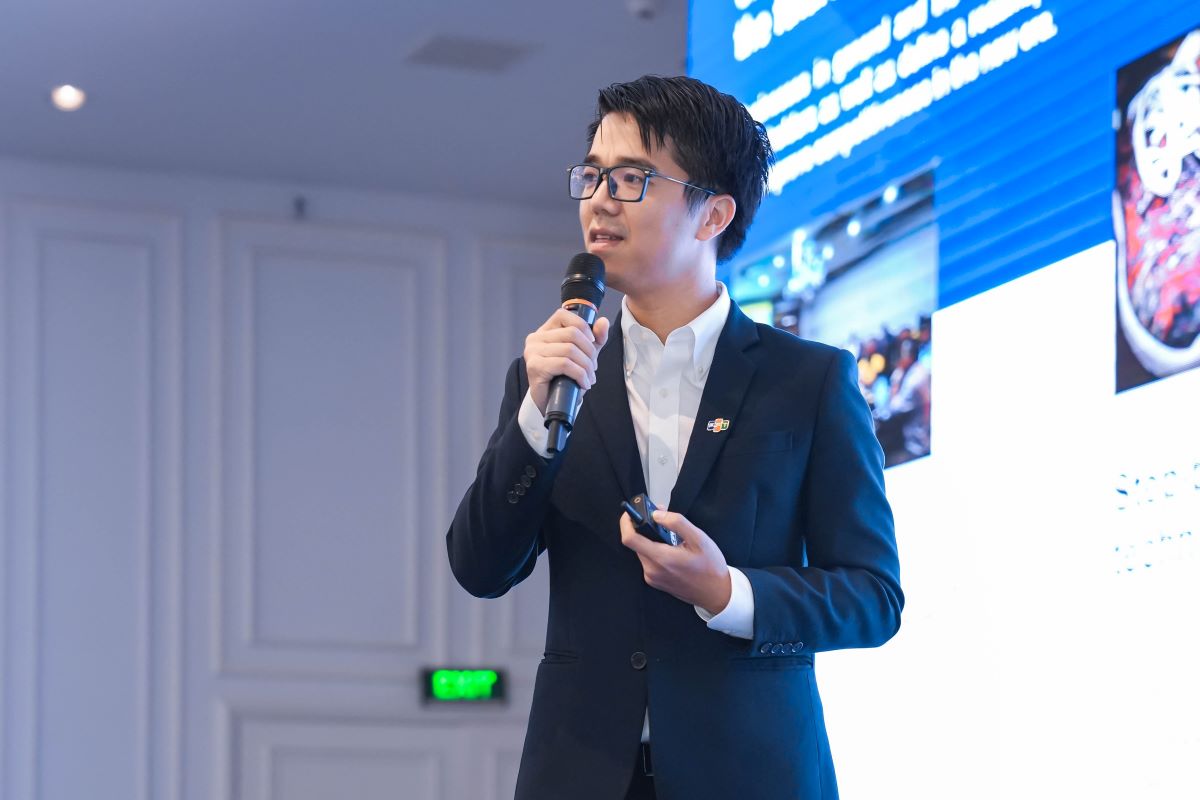
According to Mr. Le Hung Cuong - Deputy General Director of FPT Digital, FPT Corporation - this journey does not require large resources as many SMEs still think: "SME do not need a strong AI team. Just start with a real bottleneck, solve it thoroughly with AI and measure the effectiveness. A small victory can create a big change in the whole organization. This is also the most practical strategy for Vietnamese SMEs, which must optimize costs but still accelerate competition.
When AI is included in the official process, businesses can continue to step to a higher level: AI as a platform for innovating business models. This is where businesses can create new products, new services, new operating models - something that previously SMEs had almost no opportunities due to limited resources. AI helps SMEs access the market faster, predict fluctuations better and serve more personalized customers.
Market reality shows that SMEs do not lack opportunities to apply AI and when considering AI as a journey to change thinking, from awareness to methodical operation, SMEs can completely catch up with the new game and create a long-term growth momentum.


