
Going to work far away to accumulate both capital and career
More than a year working at Musashino Food Group (Japan), Mr. Phan Thai Viet, from Nong Son commune, Da Nang city, has become familiar with the strict working pace of a large-scale food processing line.
According to Mr. Viet, the most valuable thing is not only technology but also the way Japanese people organize work: on time, follow procedures, focus and be responsible for each stage.
That will be an important baggage when I return to the country to work" - Mr. Viet shared.
Also working at Musashino, Ms. Vo Thi Thu Phuong, from Thang Binh commune, has more than 3 years of experience in the cake processing field. Many other Da Nang workers after working in Japan have also gradually stabilized their lives, paid off loans and started accumulating capital for the future.
Musashino currently employs about 12,000 workers, including about 3,000 Vietnamese and 200 Da Nang workers. At a working session with the Da Nang Department of Home Affairs in February 2026, the two sides exchanged plans to increase the number of city workers working at the group to about 400-500 people in 2026 and the following years.
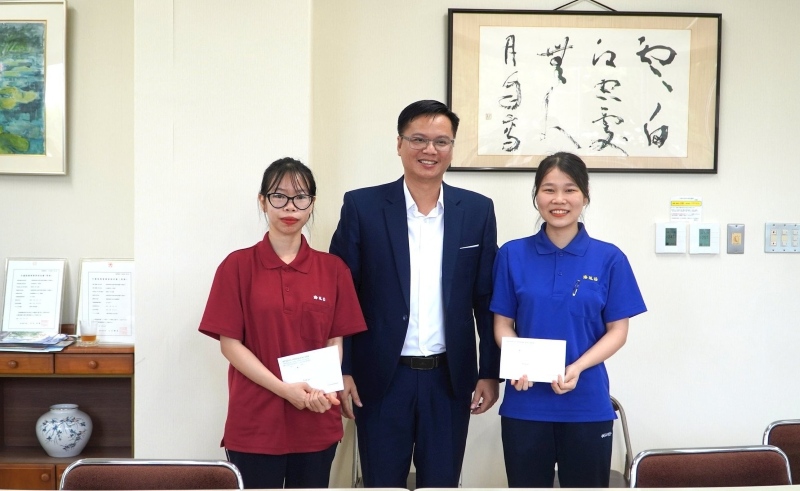
Japanese businesses assess that Da Nang workers are hardworking, have a spirit of learning and responsibility. Some Vietnamese workers after working time are also assigned to be in charge and lead groups.
Not only Musashino, many Japanese partners continue to expand the demand for labor recruitment in Da Nang. The city also aims to recruit directly in mountainous areas, ethnic minority areas, combined with Japanese language training before leaving the country.
Income is generally introduced at about 30-45 million VND/person/month, depending on industry and position.
Utilizing the skills of workers returning from Japan
Talking to Lao Dong Newspaper, Mr. Nguyen Qui Quy - Deputy Director of Da Nang City Department of Home Affairs - said that the value of sending workers to work abroad is not only in the income they send back.
Workers have access to technology, the working environment and industrial style. When they return, they can become a skilled, disciplined and experienced workforce. The city will study solutions to effectively use this human resource" - Mr. Quy said.
After a few years of working in Japan, workers can accumulate foreign languages, machine operation skills, quality management experience and adaptability to modern production environments. These are also skills that domestic businesses must invest a lot of time and costs to train.
Job opportunities for this force are wide open as Da Nang currently has 301 valid Japanese FDI projects, with a total registered capital of about 1.22 billion USD.
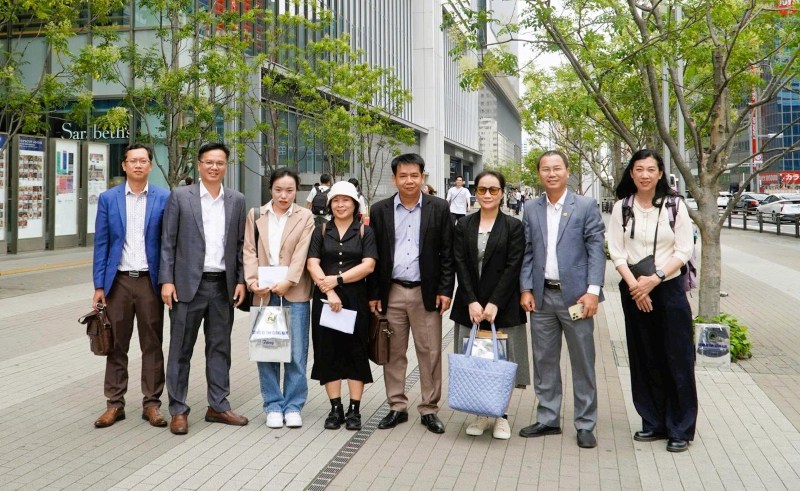
In the period 2026-2030, the city continues to orient cooperation with Japan in the fields of modern agriculture, high technology, automation, processing and supply chains.
With production experience, foreign languages and understanding of Japanese corporate culture, workers after returning have an advantage when looking for jobs at FDI enterprises. For those who want to be self-sufficient, accumulated capital and professional skills can become a foundation for starting a business if they are further supported in management, market and business connection.
Therefore, the policy of sending workers to work abroad needs to be extended to the entire period when they return, from skill assessment, job introduction to startup support, instead of ending when the labor contract abroad expires.
Resolution 65/2026/NQ-HDND of the Da Nang City People's Council, effective from July 10, 2026, allows workers in the area who need to work abroad under contracts to access preferential loans from the city budget entrusted through the Vietnam Bank for Social Policies.
Da Nang also expanded support for many expenses such as foreign language learning, vocational skills, orientation education, travel and health check-ups.
If a mechanism is built to connect workers returning to businesses and startup programs is built, the results of years of working in Japan will not only be calculated by accumulated money. Skills, foreign languages, discipline and production experience can continue to create new jobs and values right in their homeland.
