
After Pep Guardiola left, Manchester City entered a special season. Barcelona and Bayern Munich once won the national championship in the first season after Guardiola's departure, but Man City is facing a much more difficult problem. They not only lost the greatest coach in club history but also had to rebuild a squad that had begun to weaken from the last seasons under him.
Last season, Man City still competed for the Premier League title but only finished 7 points behind Arsenal, while last season they were 13 points behind Liverpool. The departure of John Stones and captain Bernardo Silva further shows that the transition process at Etihad is taking place strongly. Enzo Maresca, who was once Guardiola's assistant, returned to take over a team very different from the team that once dominated Europe.
The biggest challenge for Maresca is to rebuild the team in Guardiola's overwhelming shadow. The Spanish coach left behind almost unbeatable standards, from match control to stability in major arenas.
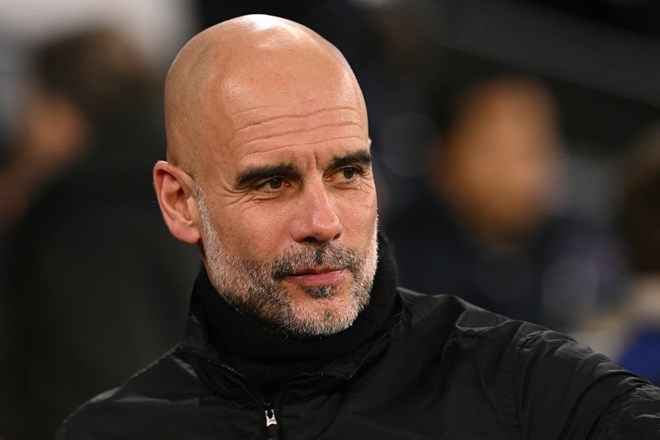
Therefore, Maresca is not simply replacing a coach. He must prove that Man City can still maintain the position of a top team after the chief architect of the most successful era has left.
The reconstruction has cost nearly £700 million in the last four transfer windows and Man City has not yet completed the squad. Elliot Anderson's £116 million deal shows that the club is ready to continue investing, while Josko Gvardiol, Abdukodir Khusanov and Phil Foden are all important factors for the future.
However, Maresca's problem is not just about buying more players. He must determine how to use the existing players. Nico O'Reilly is a typical example when this player can take on many positions. Erling Haaland is still the center of the attack after a season of scoring 38 goals, but players like Nico Gonzalez, Tijjani Reijnders, Omar Marmoush or Savinho have not been able to make a big enough mark in the late Guardiola era.
More worryingly, Rodri may become the next link to leave Etihad. The Spanish midfielder is in the final year of his contract and is receiving attention from Real Madrid as well as Barcelona. If Man City loses both Rodri and Bernardo Silva in a short time, Maresca will have to completely restructure the midfield.
However, Man City still possesses a strong enough foundation to compete. The defense with Gvardiol, Khusanov, Marc Guehi and Ruben Dias is deep, while Gianluigi Donnarumma brings a reliable choice in goal. If Foden finds his form that once helped him win the Player of the Year title, Man City's strength will also be significantly improved.
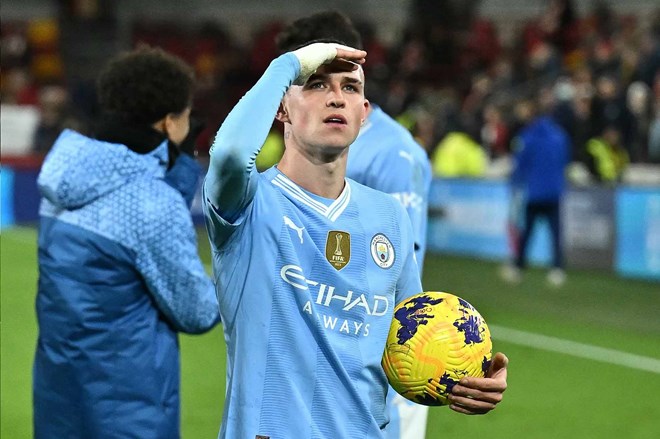
Maresca is therefore facing a special task: not to try to become a second Guardiola, but also not to let Man City lose the standards that his predecessor had set. He must create a new version of the team, younger, more flexible and suitable for his own philosophy.
That challenge is even greater when Maresca has to compete with Mikel Arteta, another former assistant of Guardiola, in the Premier League race.


