
At the end of the 2026 World Cup group stage, the Japanese team won a ticket to the 1/16 round. However, they could not complete the goal of finishing Group F in the top position as expected.
This is not only because the top spot in the group promises to bring a more favorable draw in the knockout round, but also because this will be the next affirmation for Japan's ambition to go deep. In fact, they have repeatedly mentioned the championship goal before and throughout the tournament.
Entering the final match against Sweden at AT&T Stadium in Dallas, Japan is directly competing for the top spot in Group F with the Netherlands. There was a time when just one more goal and the Asian representative would rise to the top when the two matches of the group took place at the same time.
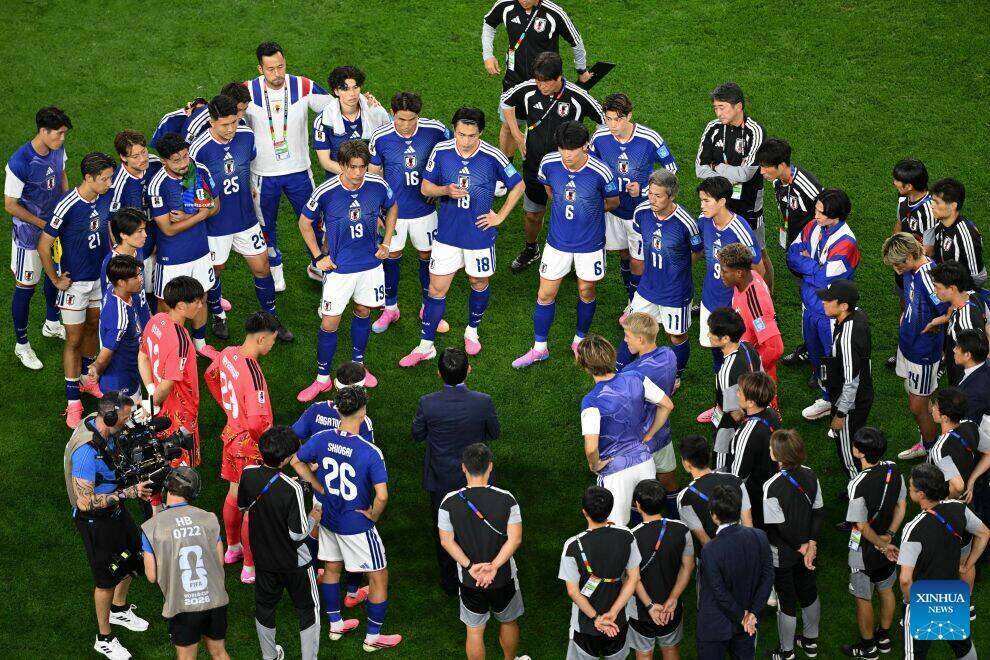
However, when Daizen Maeda opened the score for Japan in the 56th minute, almost at the same time, Anthony Elanga scored the equalizer for Sweden. At the same time, the Netherlands re-established a 2-goal gap against Tunisia, causing Japan's hope of winning the top spot to quickly close.
The match at Arlington ended in a 1-1 draw, while the Netherlands defeated Tunisia 3-1 to maintain the top spot in Group F. Japan accepted to advance as the second team in the group, which means they will face Brazil in the 1/16 round.
However, finishing only in second place does not change the belief of the "Blue Samurai". They still affirm that they are capable of defeating any opponent at the World Cup. And even though not everyone believes that, the Japanese players themselves still maintain their belief in their ability.
So what other more convincing way to prove the championship ambition, besides defeating the most successful team in World Cup history?
The confrontation with Brazil is also of special significance. The development of Japanese football over the past three decades has been deeply influenced by the samba country's football. Starting in 1991 when legend Zico set foot in Japan and played an important role in the process of building and developing football in this country at both club and national team levels.
Since their first appearance at the 1998 World Cup, Japan has gradually transformed, from a newly emerging team to a true power of Asian football.
Except for encounters with top world "giants", Japan is often the team that controls the ball more overwhelmingly. The technically rich playing style, smooth combinations and confidence in ball deployment sometimes evoke the image of the famous Brazilian team in the past.
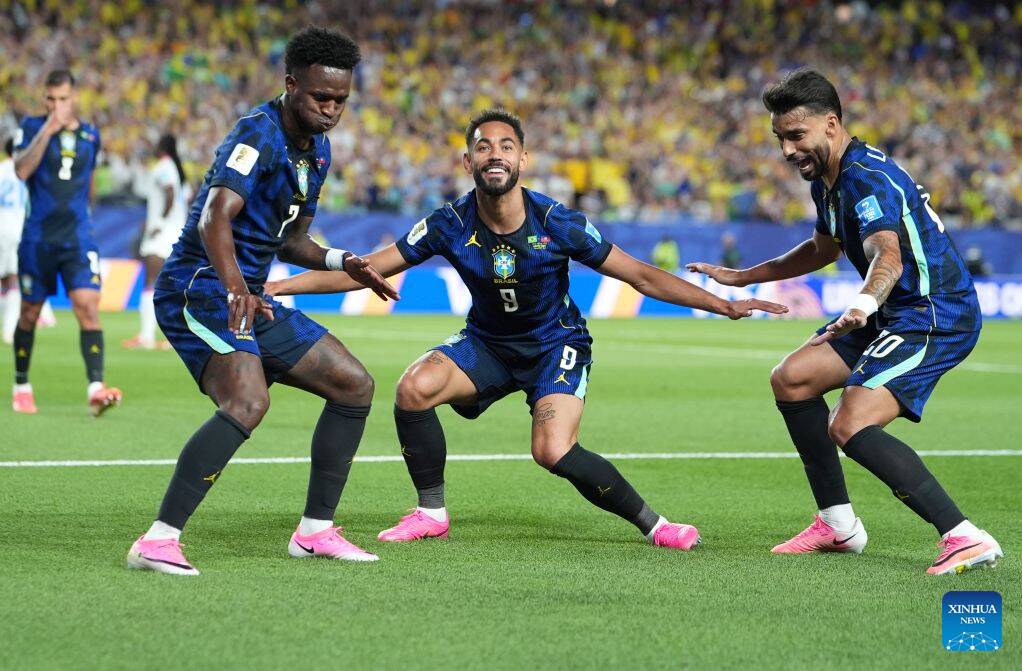
Now, the next test will be Brazil - a team that has been five times world champion and is also a source of inspiration for the development of Japanese football.
If what they claim is true, that they are not afraid of Brazil, then fans have every right to wait for an exciting match. This may be a confrontation that comes too early in the round of 1/16, but big matches are always the most accurate measure of a championship contender's ambition.
The level of boldness in the approach to the match will determine Japan's chances of creating a surprise against Brazil. And now, this highly anticipated confrontation has been officially set.


