
People struggle with domestic water
In Bien Bach commune, due to geological characteristics, this area does not have a fresh groundwater source. People drill deep wells but only encounter rocky and salty water, which cannot be used. Meanwhile, surface water at ponds and lakes is also not hygienic. In the rainy season, people can still store water, but in the dry season, they fall into a prolonged water shortage situation.
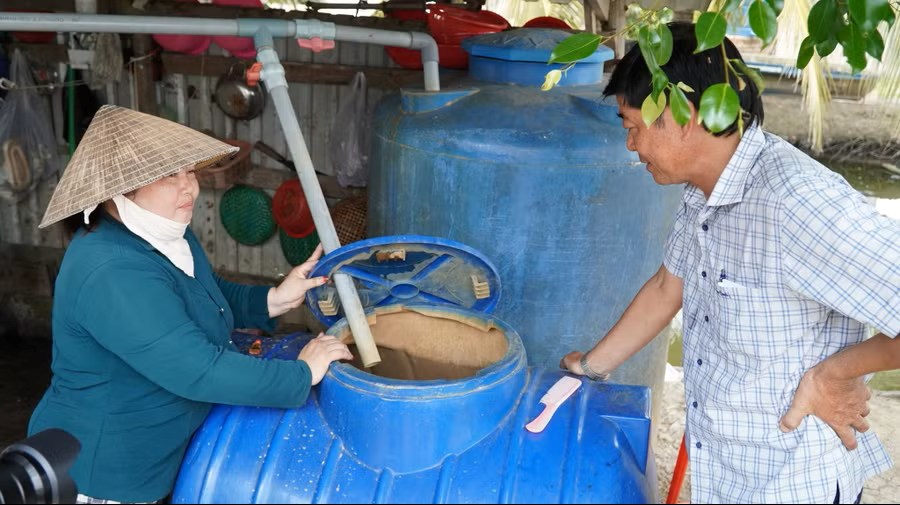
Ms. Vo Thi Tho (resident of Thanh Tung hamlet) said that for more than 10 years of living in the locality, her family has never used tap water. "Hearing the announcement of clean water, people were very happy but waited for a whole year and still did not see water return," Ms. Tho said.
In the same situation, Ms. Bui Thi Ven said that her family installed a water pipeline, but after more than half a year, there is still no water to use. Many households have to buy water from other places at high costs, greatly affecting their lives.
Not only is there water shortage, some areas also face problems with water quality and water pressure. People reflect that water at the Kinh 9 supply station is sometimes contaminated with mud; many canals such as canals 15, 16, Nga Bat, 14, 23 and the West bank of the Trem River have weak water and unstable supply. Some sections of pipelines are under construction or have been installed but have not been operated.
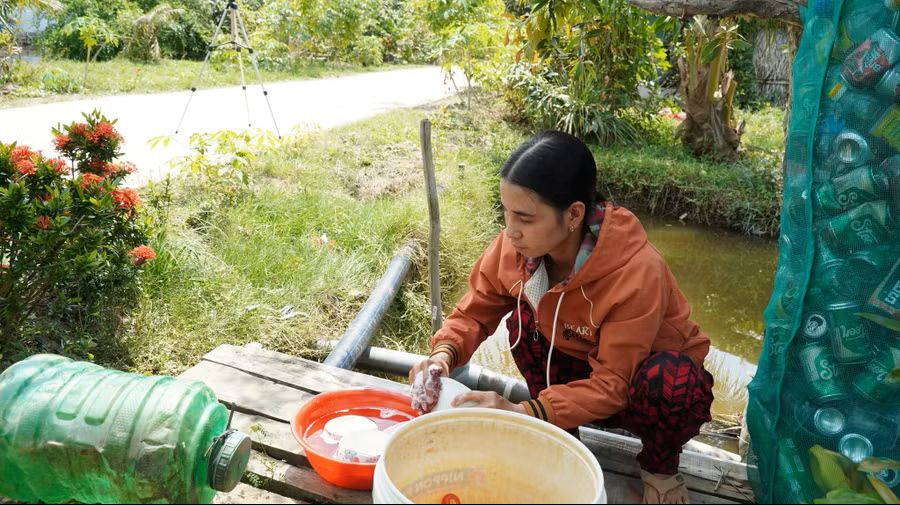
Mr. Le Thanh Van - Secretary of Thanh Tung hamlet Party Cell - said that clean water is an issue that people are particularly concerned about. "People completely depend on the water supply system, but so far, there is still no stable water to use," Mr. Van said.
Accelerate investment, assign water supply operations
Faced with the above situation, Ca Mau province is promoting investment and completing rural clean water supply projects to meet the essential needs of the people.
The clean water supply system in Thong Nhat hamlet, Ninh Thanh Loi commune is invested with a capacity of about 850 m3 per day and night, along with more than 10 km of distribution pipelines, contributing to providing standard water sources and having the ability to connect with neighboring systems.
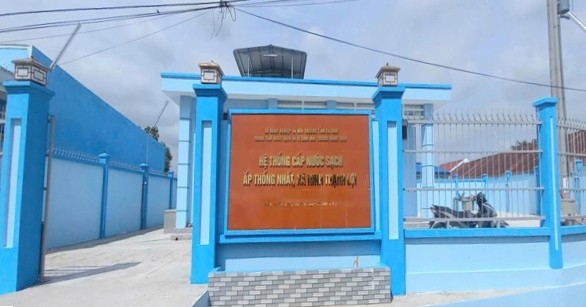
The centralized water supply project in Quyen Thien hamlet, Bien Bach commune is licensed to exploit groundwater with a capacity of 800 m3 per day and night, contributing to supplementing domestic water sources for the area.
Local authorities also strengthen propaganda and mobilize people to register for connections, review, and overcome bottlenecks in the water supply system to improve operational efficiency.
According to functional sectors, investing in and operating synchronously clean water supply projects is an important solution to ensure stable water sources, improve living conditions and protect people's health in the context of increasingly complex drought and saltwater intrusion.


