The experimental model in the buffer zone of Tram Chim National Park (Dong Thap province) held in mid-April 2026 has opened up a new direction in post-harvest straw treatment: using microorganisms combined with enzymes to break down straw right in the fields, instead of burning it as a long-standing habit.
According to Dr. Nguyen Thi Ngoc Truc - an agricultural microbiologist (Southern Fruit Tree Institute), the technical designer for this method, the mechanism of the solution is based on "accelerating" the natural decomposition process of straw.
Specifically, microbial strains have the ability to break down Cellulose - the main component of straw. At the same time, Enzyme Cellulase is added to directly break down this structure, helping the decomposition process to take place faster. Thanks to that, straw can be processed in about 3 weeks, suitable for the new crop planting schedule.
Not only stopping at decomposition, microbial strains also bring many other benefits such as disease resistance, nitrogen fixation, phosphorus dissolution, contributing to nutritional supplementation and improving the soil ecosystem.
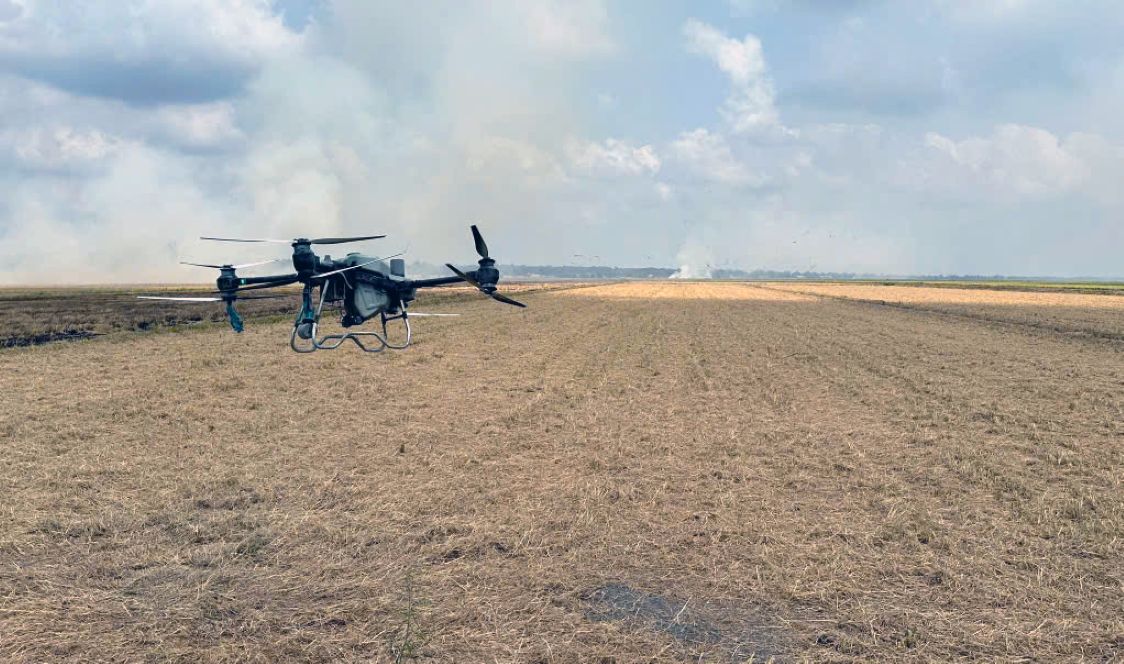
Notably, the solution combines both aerobic and anaerobic microorganisms to adapt to field conditions. In which, Trichoderma works effectively in an oxygenated environment, breaking down the straw on the field surface; while Bacillus treats the straw in waterlogged, oxygen-deficient conditions. This coordination helps the decomposition process take place evenly throughout the field.
Compared to the custom of burning copper, the new method brings many obvious benefits. First of all, it reduces greenhouse gas emissions and limits environmental pollution. More importantly, straw - which is considered waste - is "returned" to the soil as a precious organic source.
Straw can be seen as'gold' of the fields. Burning straw is wasting a very large resource," Dr. Truc emphasized. According to her, treating straw with microorganisms can help reduce about 25% of chemical fertilizer, while improving fertility and enhancing beneficial microorganisms in the soil.
One of the biggest concerns of farmers is the processing time. However, according to the research group, this solution can meet production requirements thanks to microbial multiplication techniques right in the field. From the initial amount of microbes, farmers can multiply about 100 times, helping to increase microbial density and shorten the decomposition time.
In addition, the cost is also assessed as low and easy to access. With only about 1kg of original microorganisms, farmers can multiply them into a solution used for the entire field, bringing higher efficiency than traditional methods.
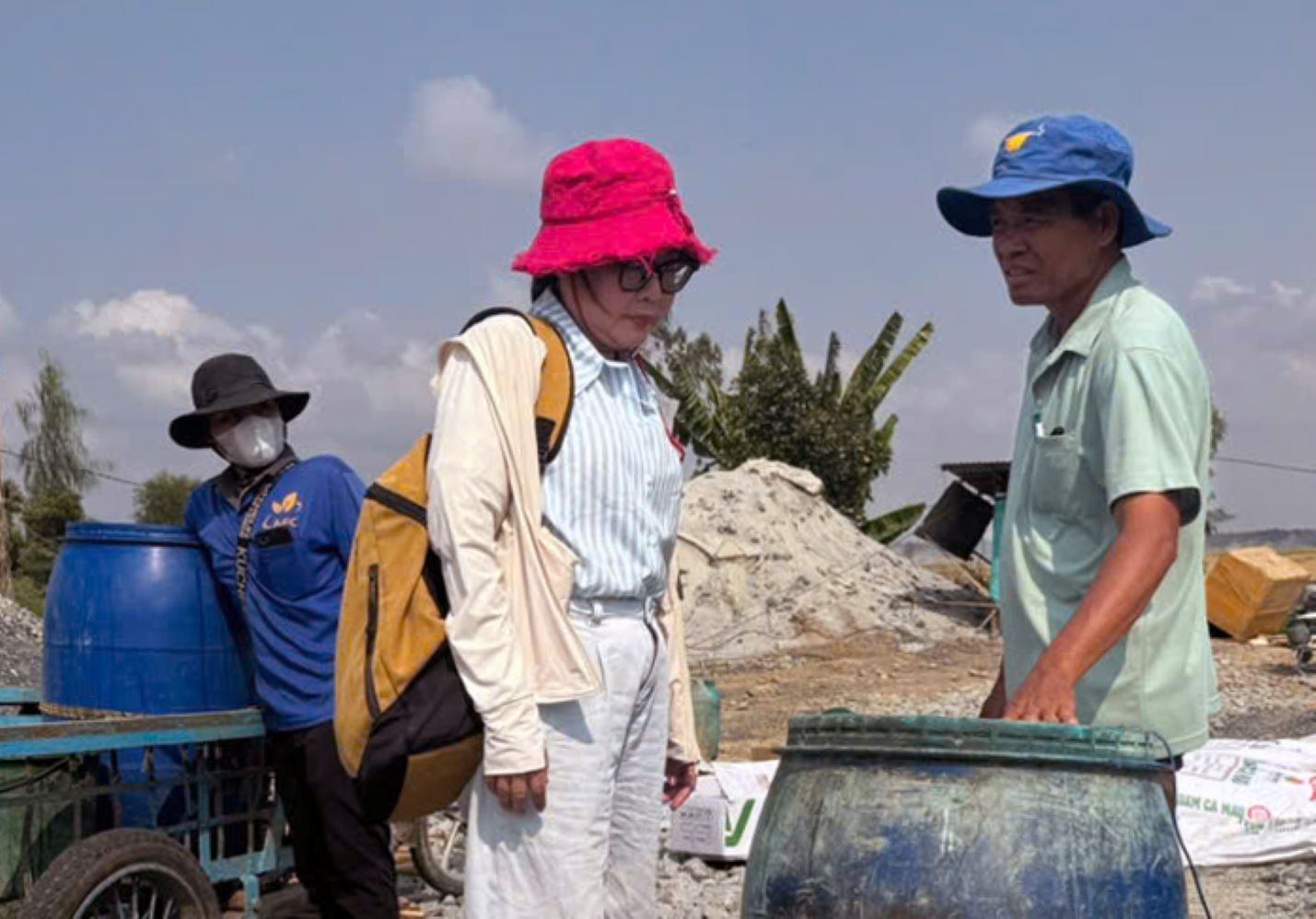
Not only stopping at a technical solution, this model also shows the potential for applying technology in agriculture. The control of factors such as humidity, pH, nutrient ratio or monitoring the decomposition process can be completely standardized, towards integration with farming management systems - the foundation of digital agriculture and reduced rice production.
Regarding prospects, Dr. Nguyen Thi Ngoc Truc believes that the solution can completely replace the custom of burning copper in the not too distant future, if implemented synchronously. However, to replicate it, it is necessary to strengthen training, technical support and spread awareness, helping farmers shift from the habit of "burning and throwing away" to "reusing".
In the context that the rice industry is facing the requirement of green transformation and sustainable development, processing straw with microorganisms not only solves the environmental problem, but also opens up new directions: turning by-products into resources, bringing technology into fields and improving agricultural production value.