
So Pagoda is located in Dan Hoa commune (Hanoi), a relic with many layers of unique cultural and historical values. Originally Hoi Linh Quan, a place to worship the gods of Taoism until about the 17th century, when Taoism declined, the building gradually transformed into a pagoda to worship Buddha. That change did not lose the original mark but, on the contrary, created a rare harmonious religious space.
Over the centuries, So Pagoda has been restored through periods, typically in 1634 under the reign of Le Trung Hung and in 1901 during the reign of King Thanh Thai. The restorations not only help make the building more sustainable but also contribute to shaping the architectural appearance with the characteristic "internal and foreign" style. From the 2-story 8-roof three-entrance gate, wide yard, front hall to the upper hall, rear hall, all create a harmonious overall, both majestic and ancient.
The highlight of the pagoda is the sophisticated sculpture system. The carved tiles in the shape of mascots and ancient patterns are not only valuable for decoration but also reflect the aesthetic thinking of the ancients. In particular, 16 statues in the Three Jewels are elaborately carved, clearly showing the spirit of the characters, contributing to the artistic value of the relic.
The pagoda space is also surrounded by a peaceful landscape with ancient wells, green trees and a thousand-eyed and thousand-handed Buddha statue made of stone in front, creating a feeling of both sacredness and closeness.
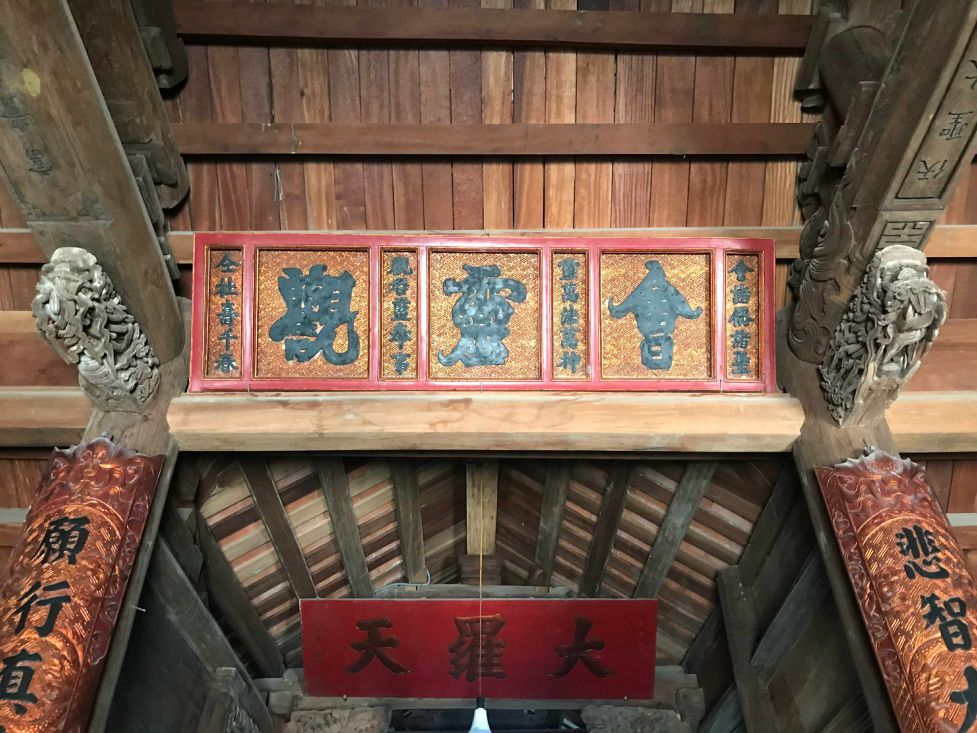
What makes the uniqueness of So Pagoda is the intersection of religions. Besides the Buddha statue, the pagoda also worships fairies, saints, Jade Emperor, spirit mediums and especially the Tam Thanh set - the supreme symbol of Taoism. The horizontal lacquered boards and folk belief elements are present in parallel, clearly reflecting the spirit of "tam giáo đồng nguyên" in the spiritual life of Vietnamese people.
Recognized as a national architectural and artistic relic in 1986, So Pagoda is not only a place of worship but also a space to preserve cultural memories. Amidst the modern pace of life, the pagoda still retains its tranquility, as a silence reminding of the persistent spiritual values of the past.


