
Tay An Pagoda is one of the special spiritual points of An Giang region. Leaning against the mountains, facing the open plain, the pagoda has a contemplative but inseparable look from the riverine rhythm of life. From the stone steps leading to the three-entrance gate, the sound of bells mixed with incense smoke makes the space here always evoke a feeling of tranquility.
Seen from above, the overall architecture of the pagoda is likened to the shape of a phoenix spreading its wings. In the Vinh Te Son stele in 1828, Thoai Ngoc Hau once described this land with poetic images of mountains, fields and harmonious water.
In the early days when the South was still pristine, the appearance of Tay An Pagoda was like a milestone for the settled life and spiritual culture of the residents here.
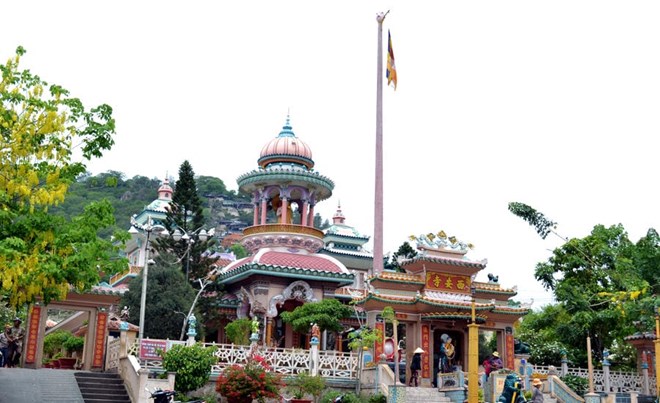
The pagoda was built in 1847 by Governor-General An - Ha Doan Uan. After many renovations, the clearest mark comes from the great restoration in 1958 under Venerable Thich Buu Tho. Since then, the pagoda's appearance has a distinctive feature with a high dome and curves that evoke Indian-Muslim architecture. That mix reflects the cultural characteristics of An Giang - where the Vietnamese, Khmer, and Cham communities coexist and exchange through many generations.
Although the exterior has a breakthrough look, the inner pagoda still retains the familiar structure of Vietnamese pagodas with "tam" characters, a two-tiered roof and a solid căm xe wooden column system. Hundreds of Buddha, God, and Fairy statues along with ancient horizontal lacquered boards and parallel sentences create a sustainable spiritual depth for the ancient pagoda.
Behind the pagoda is the tomb area of many high-ranking monks, including Doan Minh Huyen - people commonly call him Tay An Buddha Master. Born in 1807, in Tong Son village, he appeared during the Southern period of many epidemics and upheavals. In 1849, he founded the Buu Son Ky Huong religion, advising people to live virtuously, diligently do good deeds and jointly reclaim land and establish villages.
Later, he was brought back by the Nguyen Dynasty to practice at Tay An Pagoda and died in 1856. What many people remember is that his tomb was not built into a mushroom according to his will. People call it "tomb without núm" - a symbol of simple lifestyle, not placing emphasis on title or form.
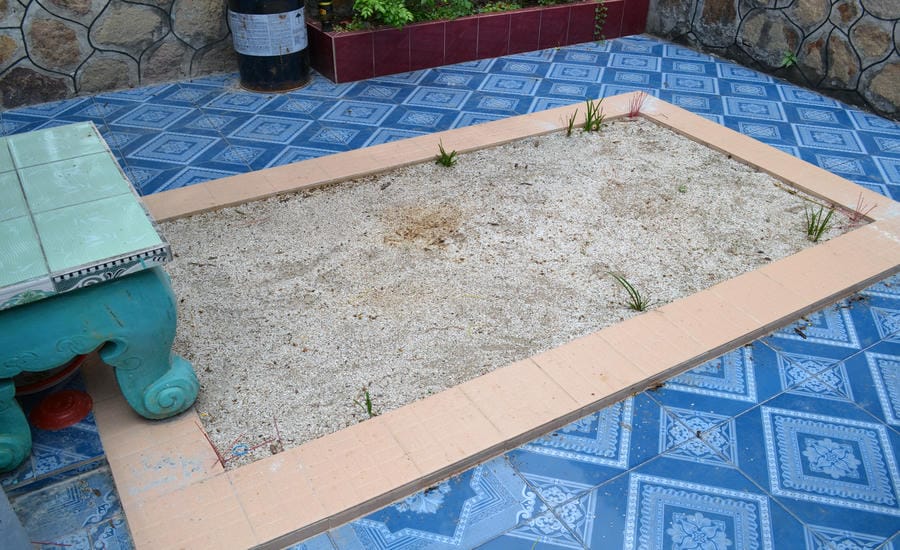
To this day, Tay An Pagoda is still present as part of the cultural memory of the Southern region. In 1980, the pagoda was ranked as a National Relic, recognizing special values in history, architecture and beliefs. Not only is it a pilgrimage place, Tay An Pagoda also preserves the story of cultural harmony, spiritual life and rustic philosophy of the ancients.


