
Once entering the folk song "First is Dong Khang communal house, second is Bang communal house, glorious Diem communal house", Bang communal house in Tu Son, Bac Ninh is considered one of the typical ancient communal houses of Vietnamese village communal house architecture.
The communal house was built in the early 18th century to worship three village tutelary gods including Cao Son Dai Vuong, Thuy Ba Dai Vuong and Bach Le Dai Vuong. By 1736, the communal house was built on a large scale and basically maintained its original appearance to this day.
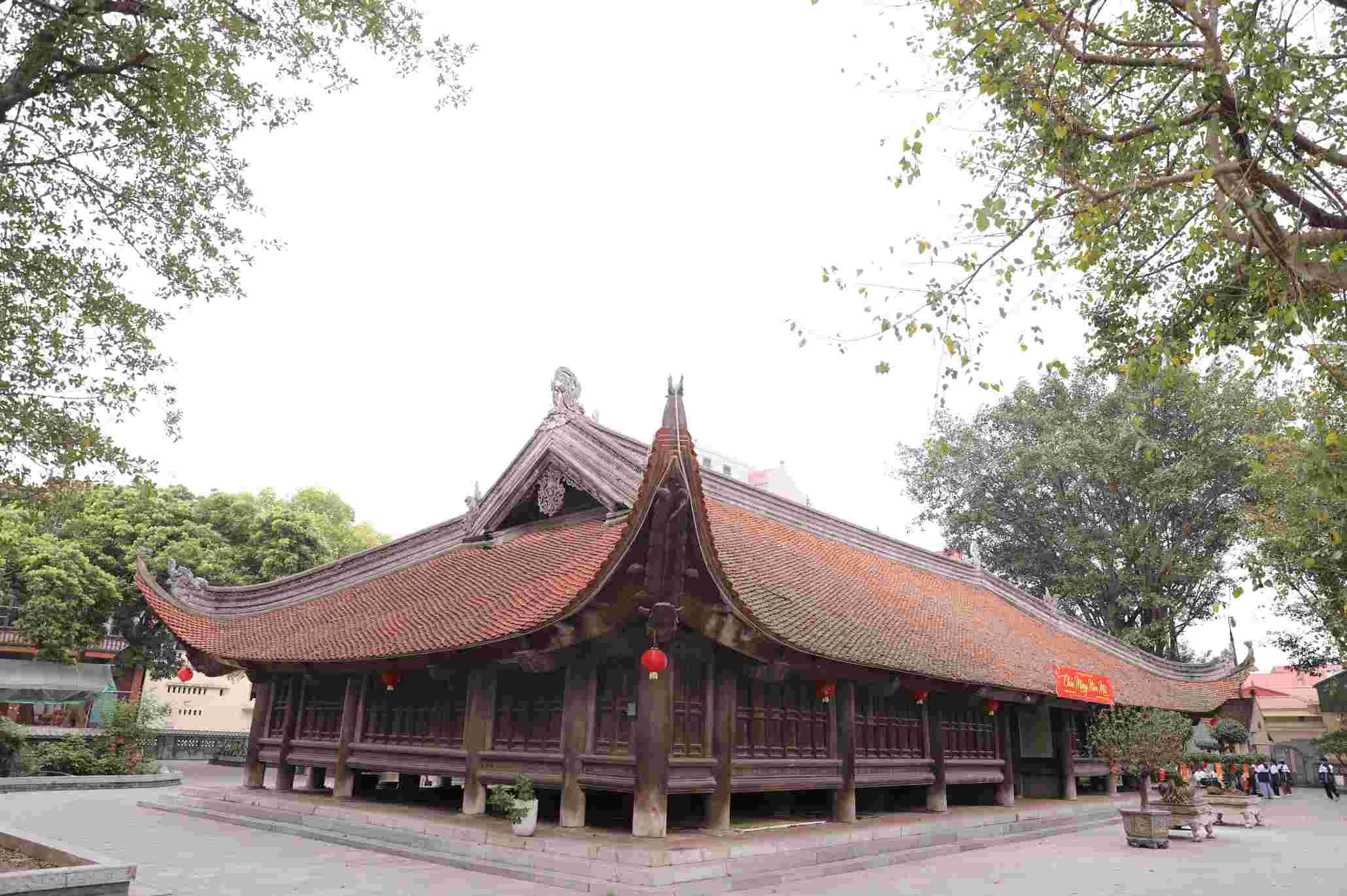
Dinh Dinh Bang has a Cong script layout including Dai Bai, Ong muong and Hau cung. Among them, Dai Bai tower impresses with its imposing scale, four large roofs spread wide, occupying most of the construction area.
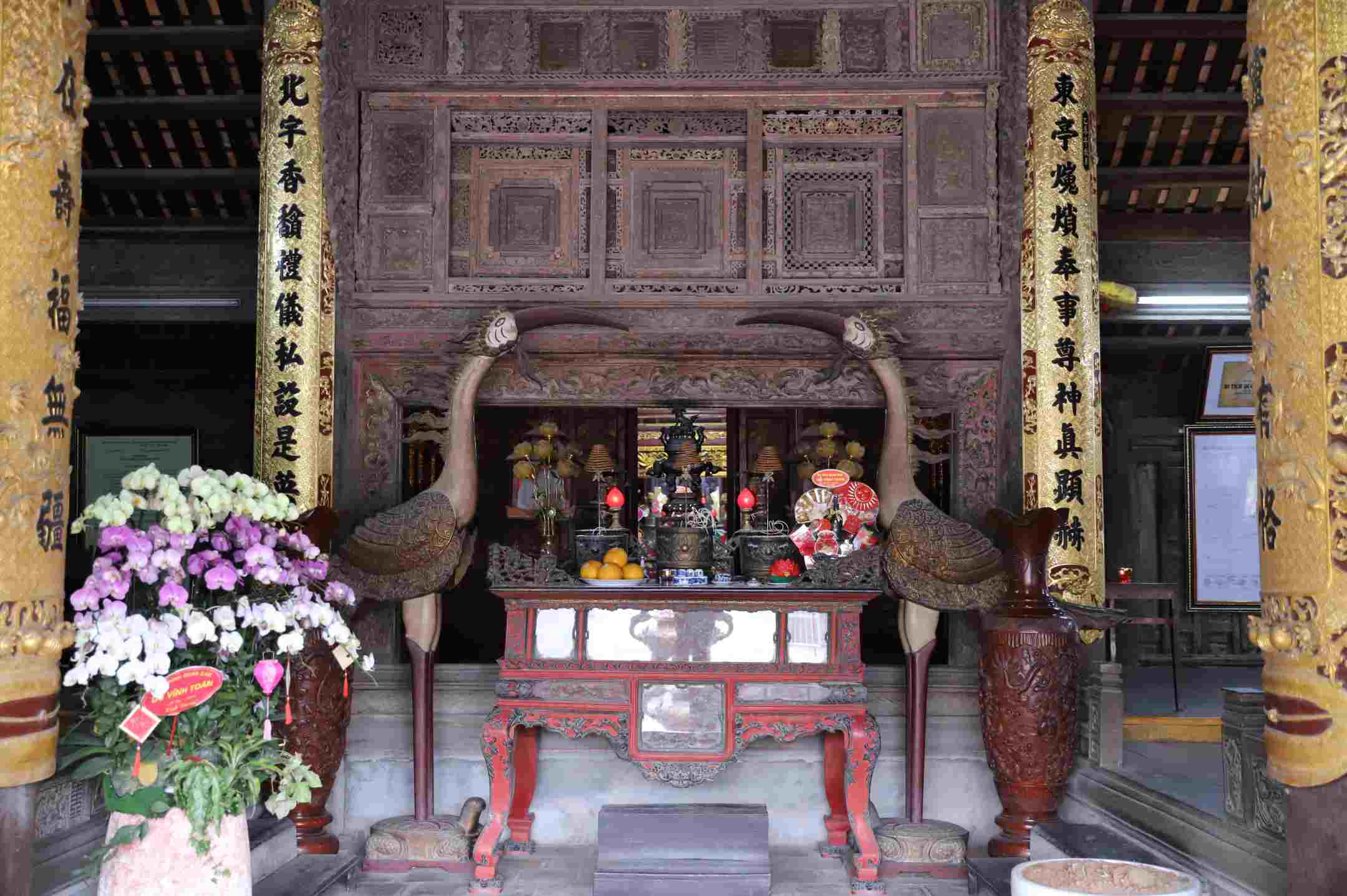
The entire communal house is mainly built of ironwood, highlighted by a sophisticated carving system in the style of 17th - 18th centuries art.
The carvings of dragons, unicorns, phoenixes, horses or the themes of "four sacred animals", "four precious animals" are vividly expressed on the rafters, hammock doors and wooden components. In particular, the communal house still preserves a wooden floor system stretching from Dai Bai to Hau Cung, which is rare in many ancient communal houses today.
The highlight of the project lies in the four corners of the curved roof. The roof is softly curved but still creates a solid feeling, helping the overall communal house to be both elegant and majestic in the space of the ancient Northern village.
Not only has architectural value, Dinh Bang communal house is also associated with many important historical milestones. In February 1946, President Ho Chi Minh visited here to wish Tet to compatriots on the occasion of the traditional Tet of the nation.
With special historical, cultural and artistic values, Dinh Bang communal house has been ranked as a National Relic since 1962.
On November 26, 2024, the project continued to be recognized as a Special National Relic, affirming the position of a masterpiece of ancient village communal houses in the treasure of Vietnamese cultural heritage.


