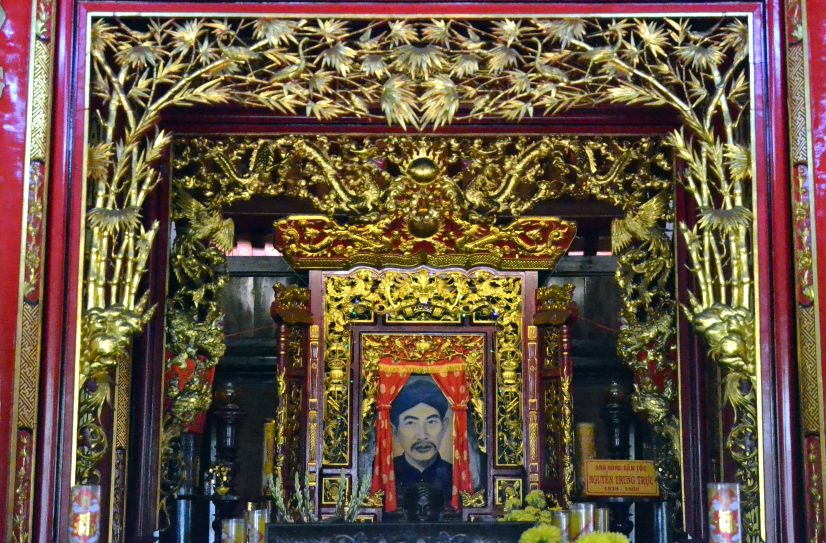
Mr. Nguyen Trung Truc (1838-1868) entered the history of the nation as a national hero with immortal feats. At the age of 23, he led a group of soldiers to burn a French ship on the Nhat Tao islet in Long An (now Tay Ninh). After many years of launching against the enemy in "invasion of the army, exorcism" and creating a famous feat, in the early morning of June 16, 1868, he commanded the army to attack and occupy the canal for many days.
After a painful defeat, the French and the wrong men rabidly attacked them. To preserve the army against the enemy in terms of superior weapons and forces, Nguyen Trung Truc withdrew troops to Phu Quoc Island, building a base to continue fighting the French. Faced with attacks, surroundings, and crazy terrorism by the enemy, Nguyen Trung Truc and his army traveled to the upstream area of Cua Can river in the north of Phu Quoc island to build a weak base for salary. Here, he organized small groups of boats, taking advantage of the rich river terrain to attack the enemy. And here, he fought his final match before falling into the hands of the enemy.
After many times of torturing, buying bribes, and being lured by the enemy, he still blatantly said the immortal words: "When will the West ripen all the Southern grass, then the South will beat the West?" Knowing that he could not defeat, on October 27, 1868, the enemy took him to trial and slash him in Rach Gia.
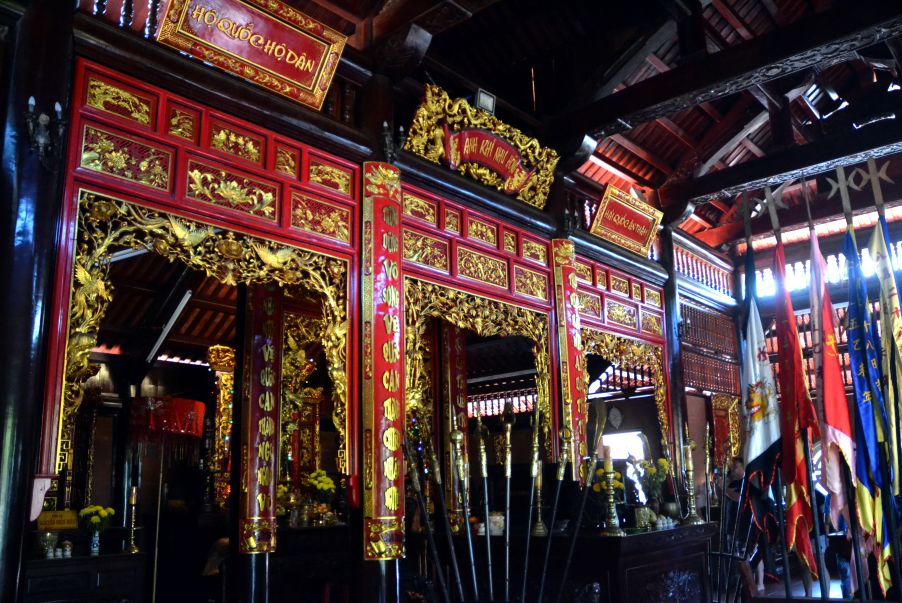
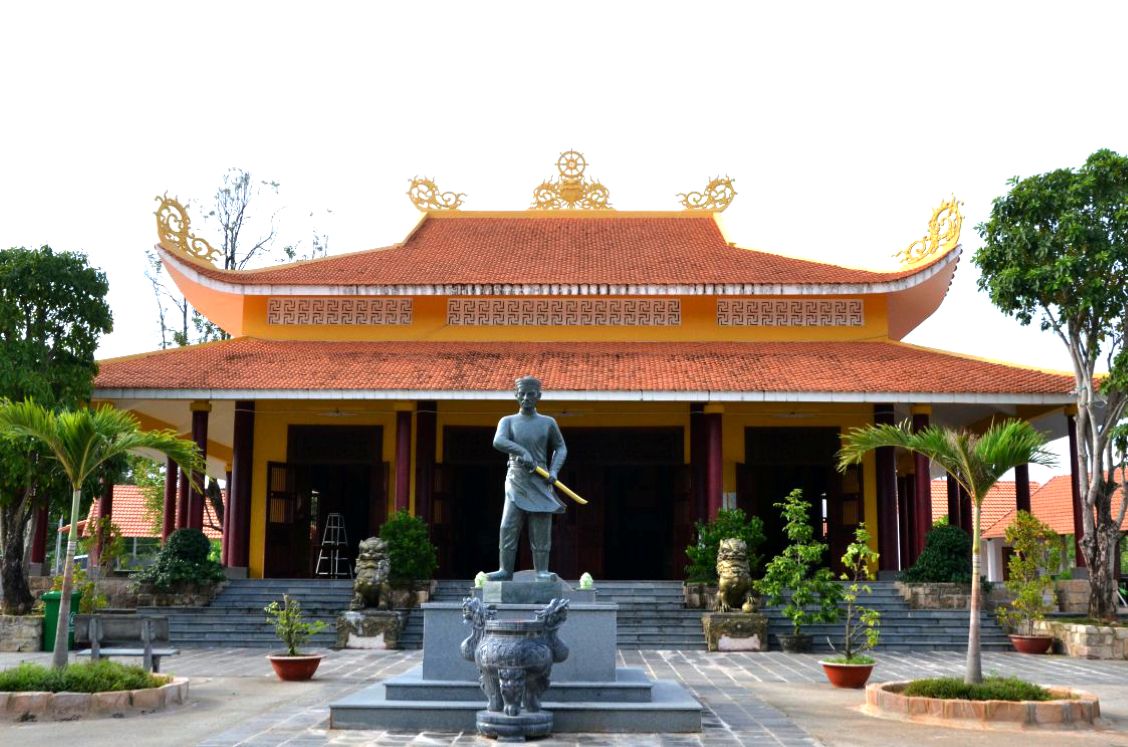
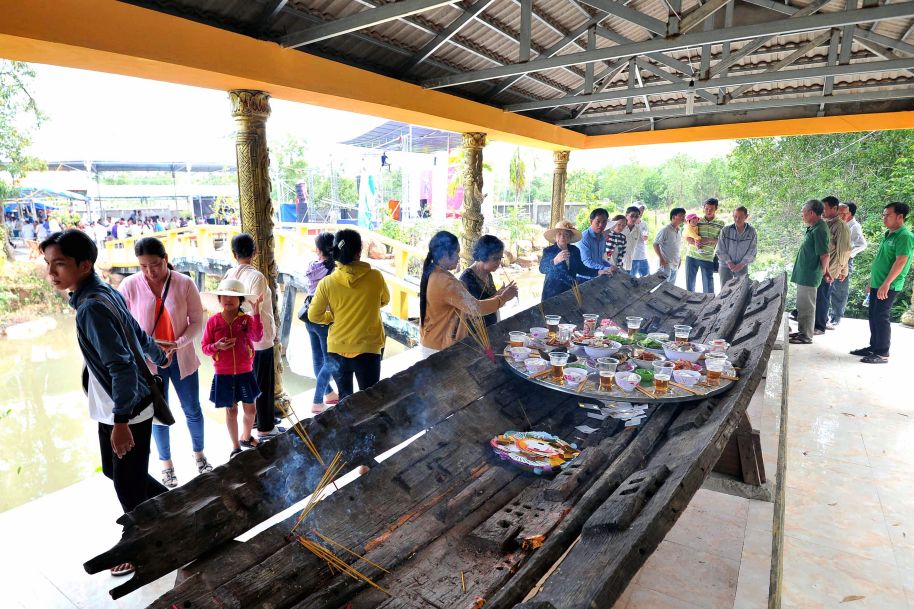
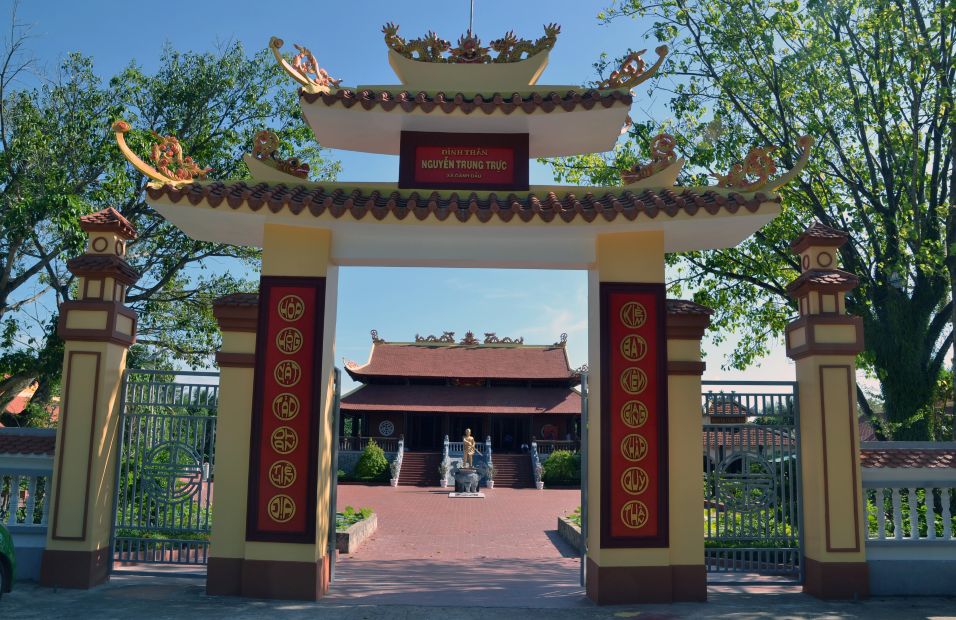
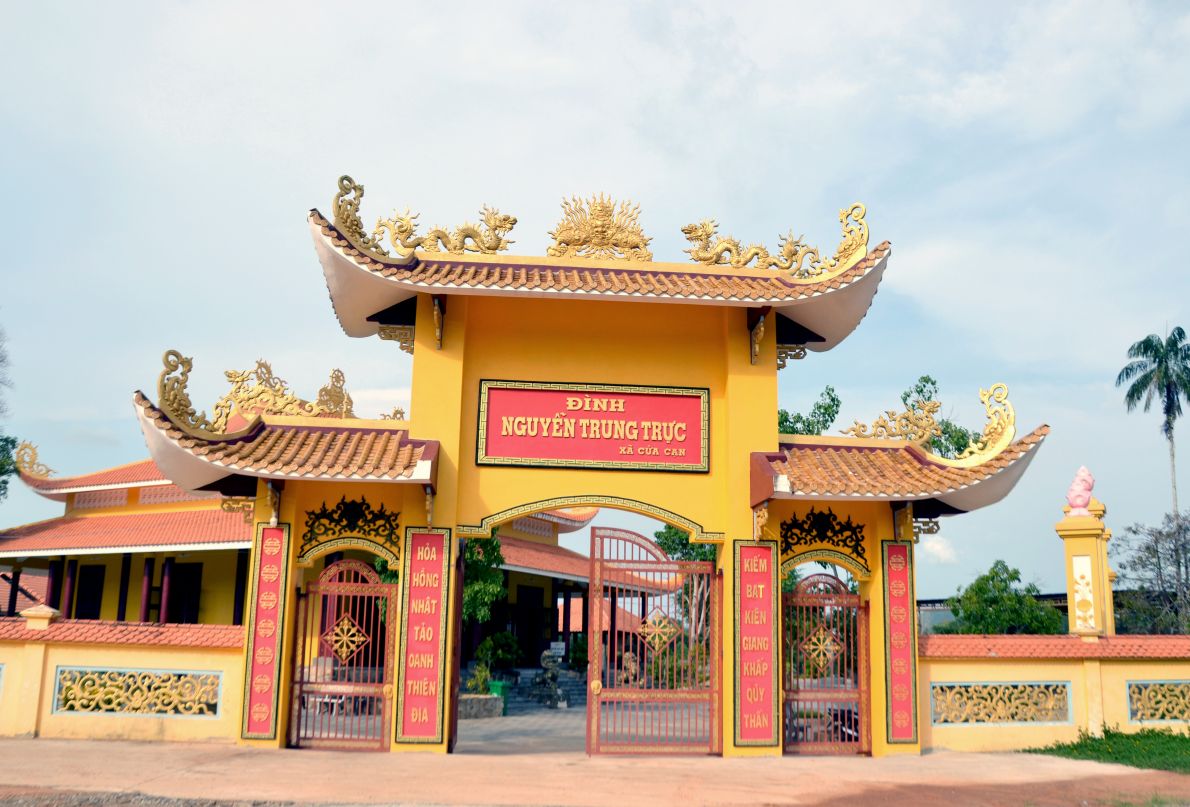
Admiring his courage and patriotism, the people in many places have built centers to worship and honor Nguyen Trung Truc as a National Hero. On Phu Quoc Pearl Island alone, there are 2 communal houses: one in Ganh Dau commune, the other in Cua Can commune. In particular, the temple in Cua Can was built in the ghe Luonga worship area, and according to legend, it was one of the locations of the temple. In Ganh Dau, the communal house is located in a prime location, along the main traffic axis, facing the sea, so it is very convenient for visitors to offer incense, worship...
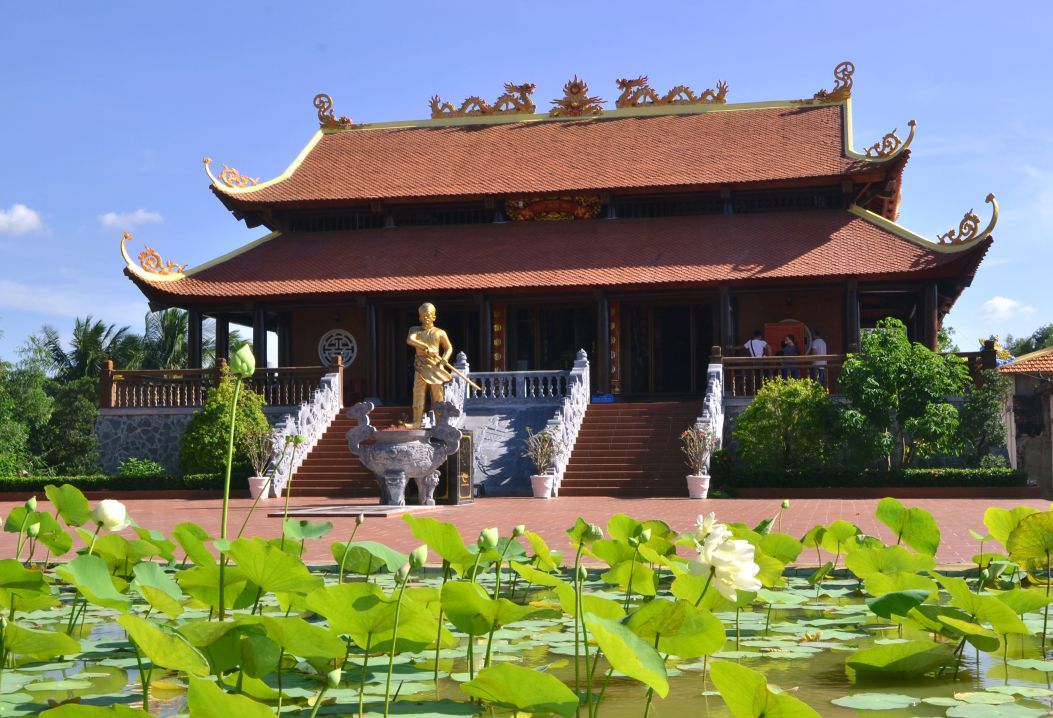
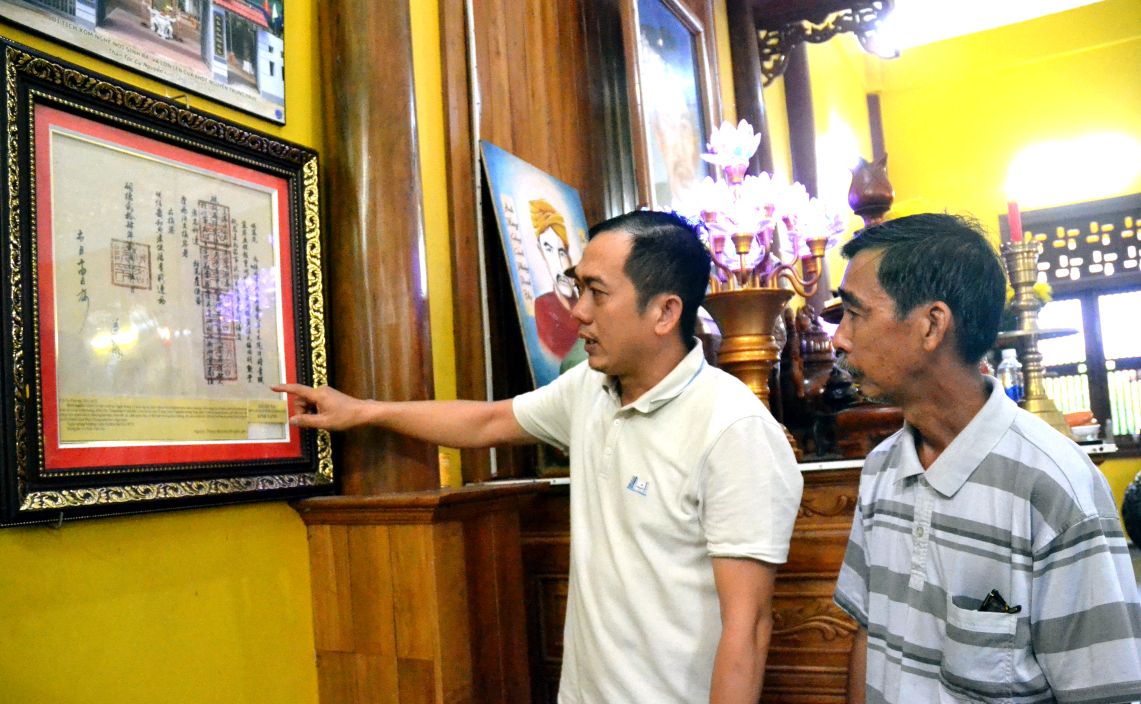
With the attention of the Party and the State, both communal houses were built newly and spaciously. In addition to the solemnity of the Southern communal house architecture, these relics also leave many historical imprints, artifacts related to the life of fighting... All are like a connecting thread to light up the pride of the national hero for today's and future generations.