
Mao Dien Temple of Literature is considered the second largest relic in the Temple of Literature system of Vietnam. The project was started in the 15th century.
By the end of the 18th century, under Quang Trung's reign, the Temple of Literature was relocated to Mao Dien commune (Hai Phong city), and at the same time combined with schools and examination schools, where Confucian exams took place, becoming a center for training many talents for the country.
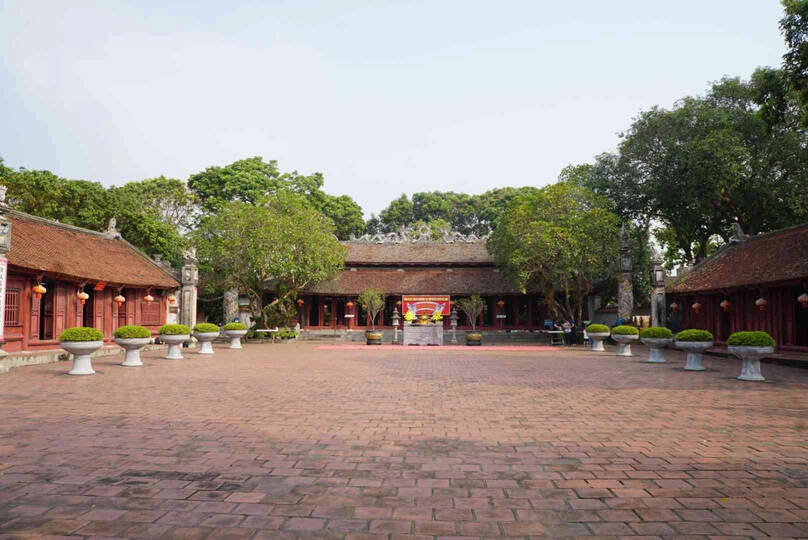
Today, the Temple of Literature worships Confucius - the founder of Confucianism, and also worships 8 typical great scholars associated with the history and culture of Hai Phong. These are all famous figures who have made great contributions in many fields through dynasties.
In 1992, the relic was ranked as a national relic, after many renovations and expansions, the campus of the Temple of Literature currently has a scale of about 7ha.
In the period 2002 - 2016, many items continued to be restored, contributing to completing the spacious and imposing appearance. By 2017, Mao Dien Temple of Literature was officially recognized as a Special National Relic, affirming its outstanding historical and cultural value.
Not only an attractive tourist destination, Mao Dien Temple of Literature is also a space for cultural and spiritual activities, a place to spread the spirit of studiousness of the Eastern land.
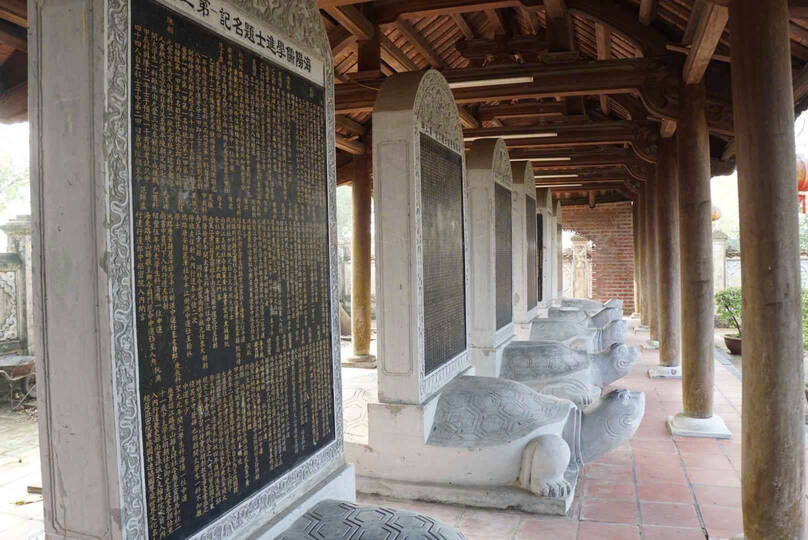
The traditional festival is held twice a year in Spring and Autumn, of which the main ceremony takes place in February of the lunar calendar. This is an occasion to commemorate predecessors, honor the morality of "respecting teachers and valuing morality" and continue the learning tradition of Hai Phong people.
Maintaining the festival not only contributes to preserving heritage but also arouses pride in the tradition of academics, adding motivation to learn for today's generations.


