
Sour fish and mam fish are traditional dishes of people in the Da River region. In the Muong Bu, Quynh Nhai, Chieng Lao, Muong Gion, Muong Chien, Tan Phong, Tuong Ha areas, this processing method is maintained by many families, both serving meals and making products for sale to customers.
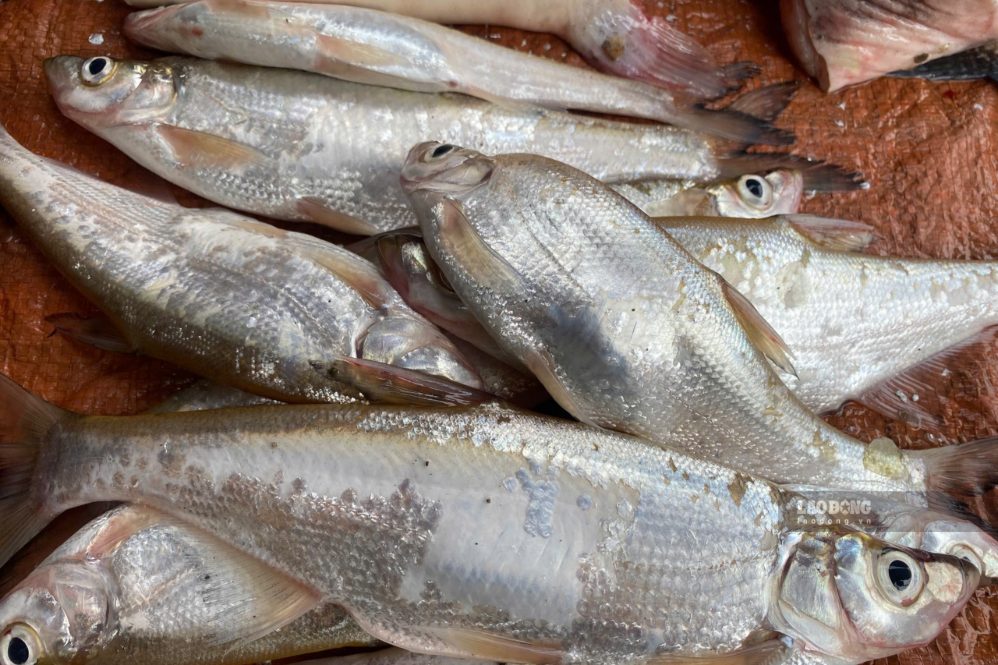
The main ingredients are bamboo fish, goby fish, canal fish, carp... caught naturally from the lake. Fish are selected fresh, cleaned; small fish are kept whole, large fish are scaled, cut into small bite-sized pieces.
After that, the fish is marinated with salt, garlic and a little white wine for about 36-48 hours. When seasoned, the fish is taken out and squeezed to drain. This step requires skill to make the fish dry enough but not mushy.
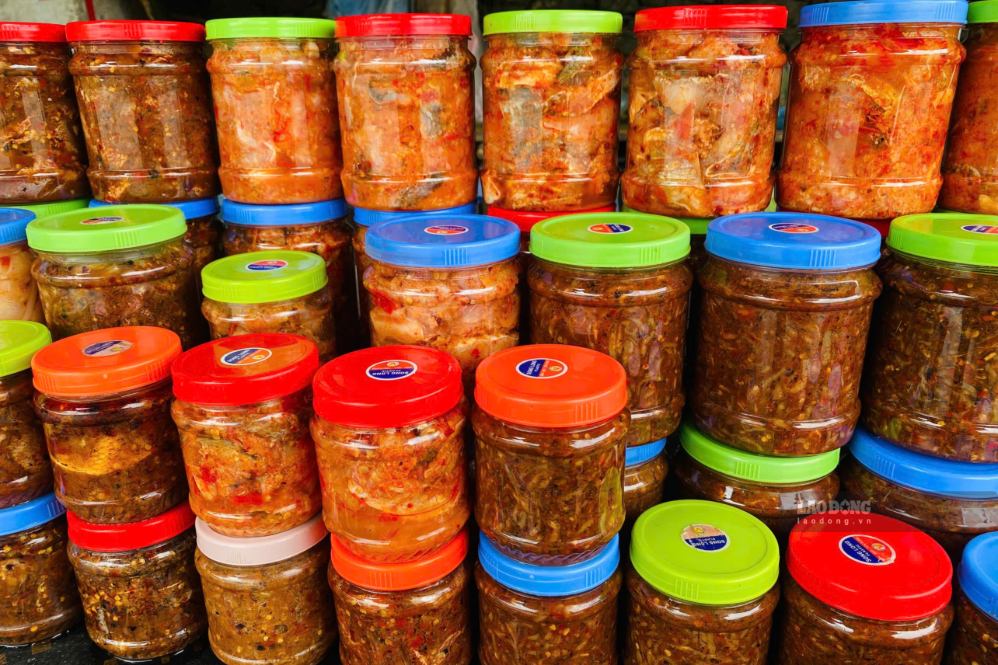
Roasted rice chives are a component that creates a characteristic aroma. Fish is mixed with chives, lemongrass, dried chili; especially sour fish has crushed galangal added. The mixture is put into earthenware jars, pressed tightly and covered tightly to incubate.
The fermentation time depends on the size of the fish and the weather. Small fish batches of about 20 days can be used, while large fish usually take more than 1 month to achieve the desired acidity and flavor.
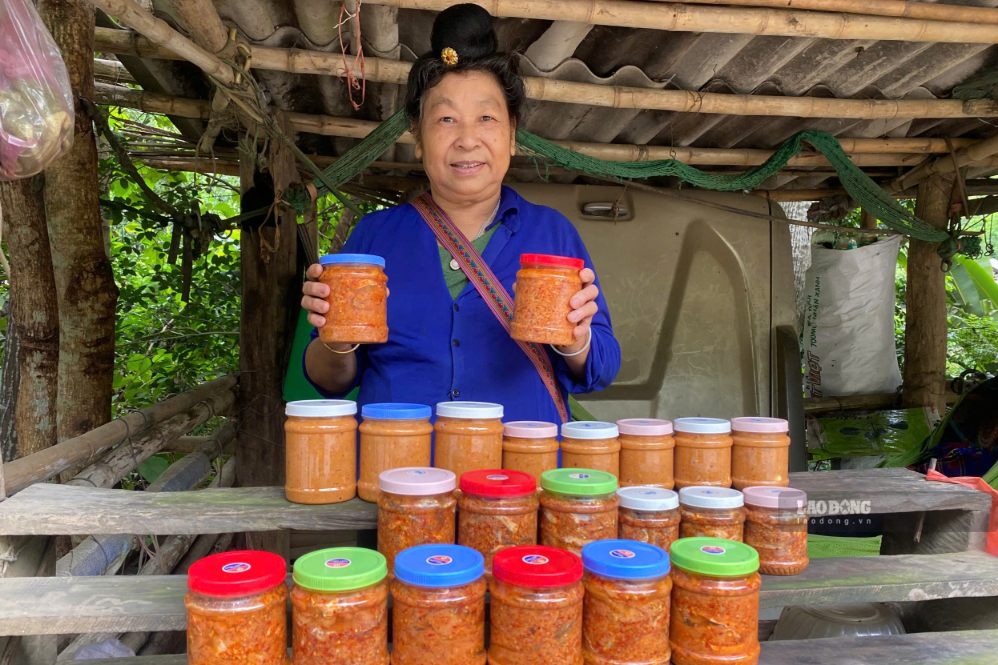
Ms. Ca Thi Nhan, who makes sour fish and mam fish in Ta Bu village, Muong Bu commune, said that her family usually does it in batches, mainly relying on fresh fish caught locally.
The stage of choosing fish and fermenting is very important. Fish must be fresh, with just enough spices, then when fermented, it will have a harmonious aroma, sour and salty taste. Each time you do it, you must monitor to adjust the fermentation time," Ms. Nhan shared.
Currently, sour fish and mam fish are packaged by households with weights from 0.5-1kg, priced at about 50,000-100,000 VND/box, depending on the type of fish and weight. Products are sold at home or sent to customers in some localities.
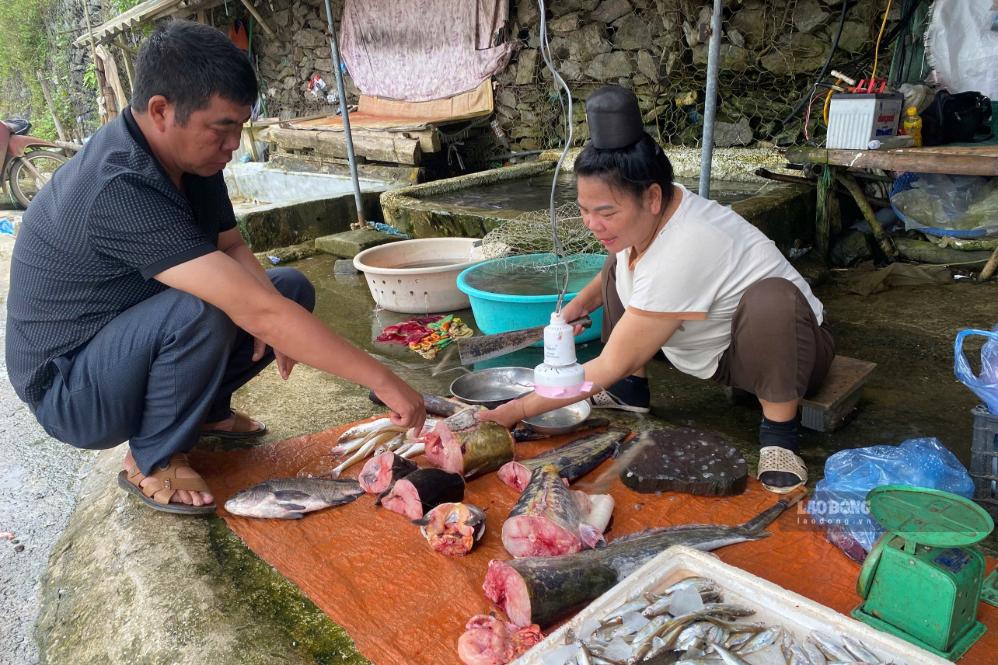
In Tuong Ha commune, mam fish is also prepared from lake fish sources. Ms. Sa Thi Viet said that after cleaning, the fish is marinated with salt, mixed with rice powder or popcorn with galangal, lemongrass, chili and then incubated.
This is a familiar dish for many families. Mam fish can be kept for gradual use, when eating, take just enough, use directly or hot-cooked, eat with rice and boiled vegetables," Ms. Viet said.
According to local people, each family has their own way of adding and discarding spices, so the finished product has a different flavor. The common point is that the fish after fermentation is chewy, has a rich flavor, fragrant with coriander and spices.
Currently, products are still mainly made on a household scale, consumed on a small scale and do not have a common brand. People want to be guided on production processes, food safety, packaging and quality registration to expand the market.
Ms. Lo Thi Ngoc, Chieng Sinh ward, said: "Every time I pass through the sour fish and mam fish selling area, I often buy them to use. Sour fish can be fried or steamed; small mam mam fish dipped with boiled vegetables and tubers is very flavorful.
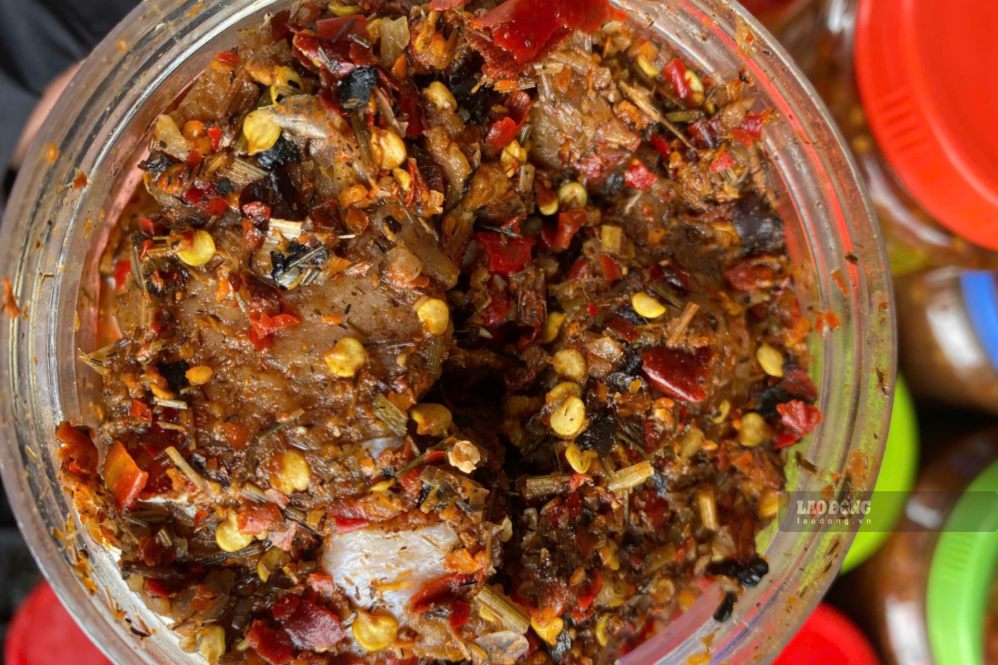
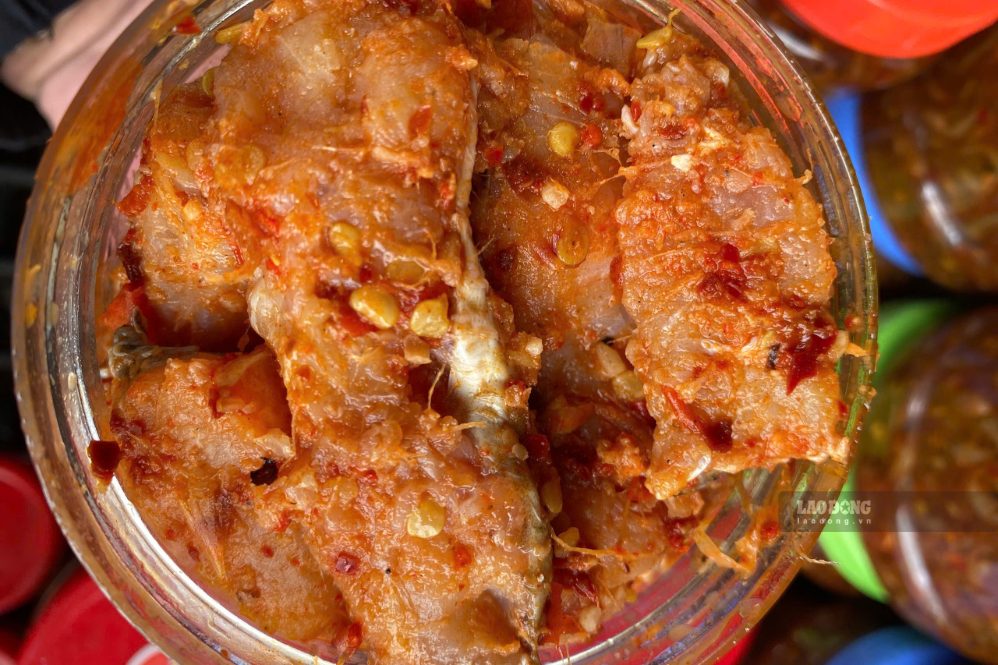
From the source of Da River lake fish, sour fish and mam fish are becoming a product associated with the life and cuisine of people in the lakeside area.
Maintaining traditional methods, while improving quality and building suitable outlets, can help this dish reach more diners.


