Imprint of migration and food brand
There is no historical record that accurately determines when the noodle soup appeared in My Tho. However, many studies suggest that this dish was founded by the Chinese community, especially Trieu Chau state, from the late 17th century - associated with migrations to the South to establish a career. Stepping into the 18th - 19th centuries, thanks to its strategic location by the Tien River, My Tho became one of the earliest and busiest cities of Nam Ky. The name "My Tho Dai Pho" still preserves traces of a bustling trading port, a bustling place for agricultural and commodity trade.
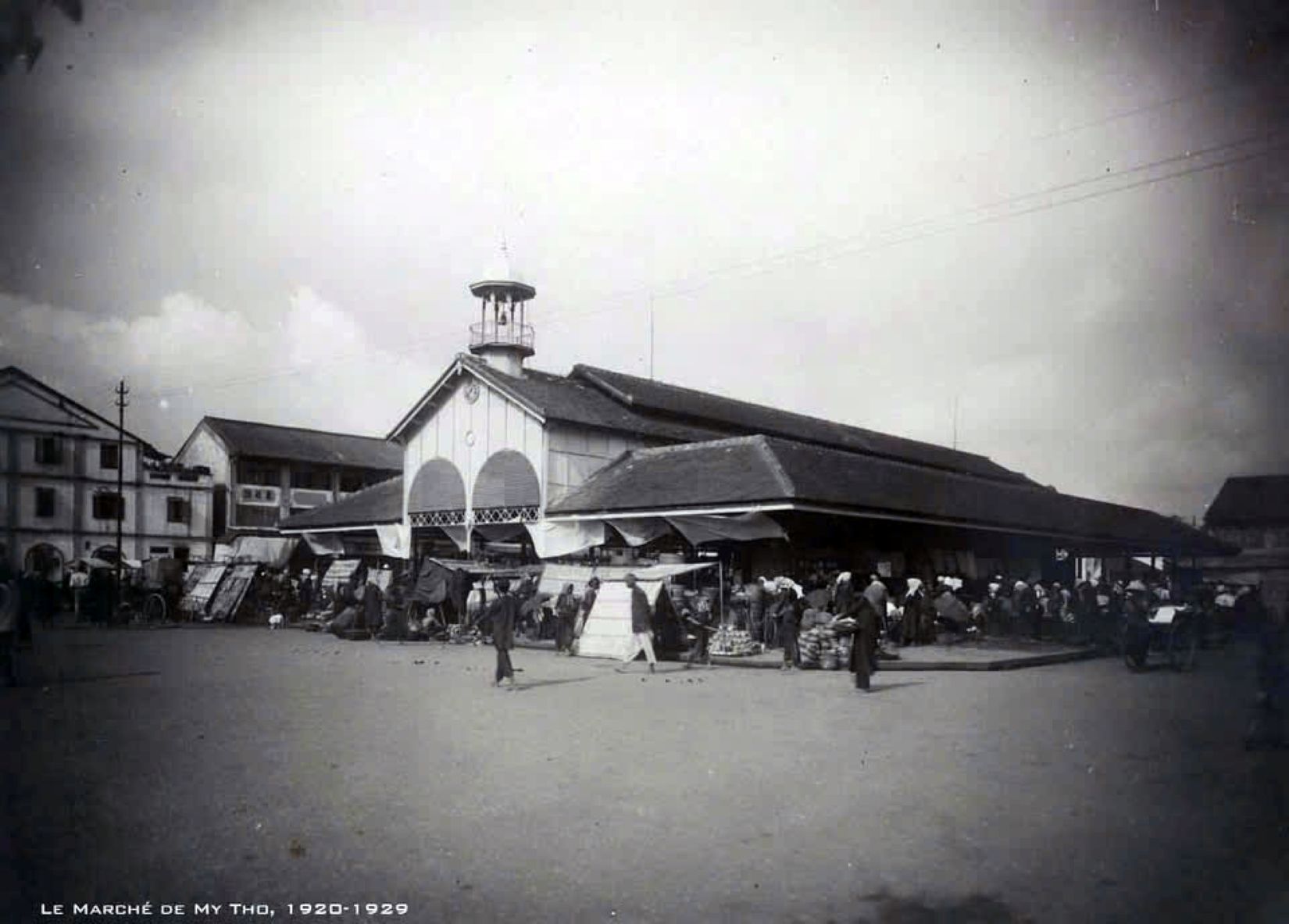
It is that urban environment that has created conditions for the dish, which is inherently gangster-like, to step into the community space. At the market, at the river wharf, workers need a quick, hot and full dish to start the new day.
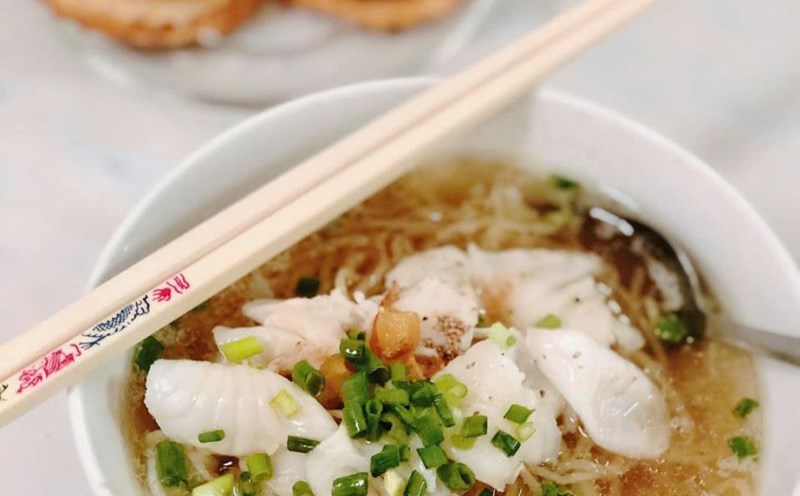
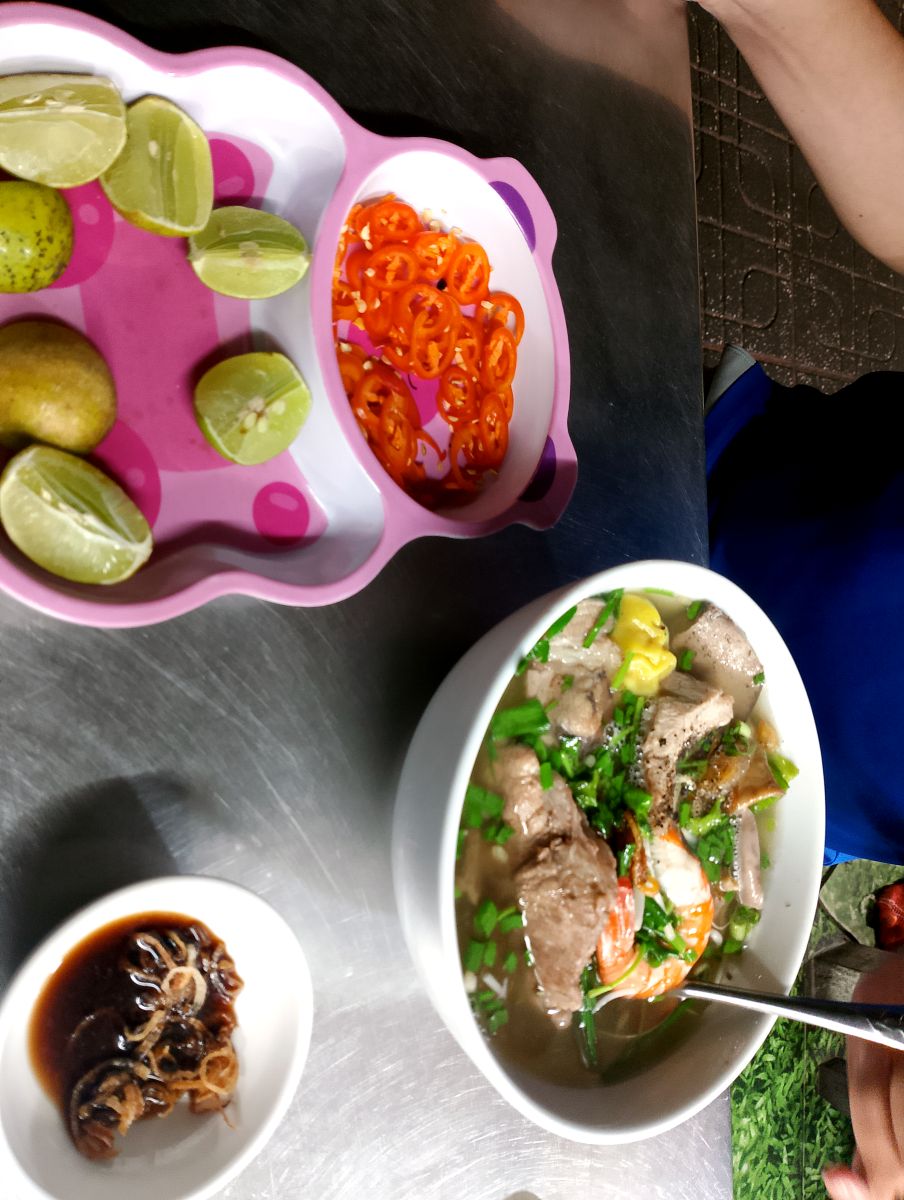
A bowl of noodles with white rice flour, clear soup, and the sweet taste of cooked pork bones and local vegetables quickly met that need. From a small restaurant of the Chinese community, noodles gradually became a common dish of urban residents.
At the end of the 19th - early 20th century, when My Tho strongly connected with Saigon by rail and waterway, My Tho noodle soup began to be mentioned as a local specialty, contributing to shaping the " culinary brand" for the land along the Tien River.
The Vietnamization of an imported dish
According to Dr. Vo Van Son, lecturer at the Faculty of Culture - Tourism and Social Work, Dong Thap University, initially this dish was called in the pronunciation of the Chaozhou people as "co thieu" or "que tiu"..., referring to small, long rice flour strands eaten with Chaozhou-style soup.
Over time, My Tho noodle soup has gradually been Vietnamized, becoming a typical culinary symbol of My Tho land. The technique of making rice flour fibers is still maintained: long, chewy, and clear fibers, but the later generations of My Tho region have transformed the soup broth and accompanying dishes in a local style.
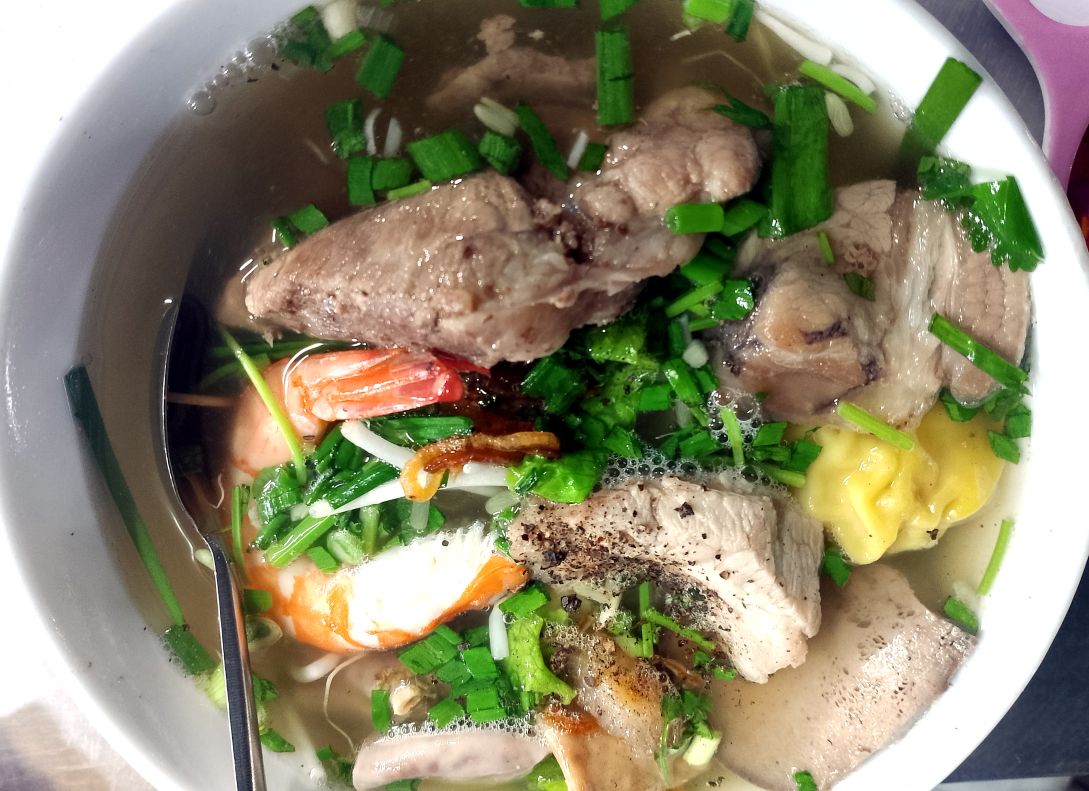
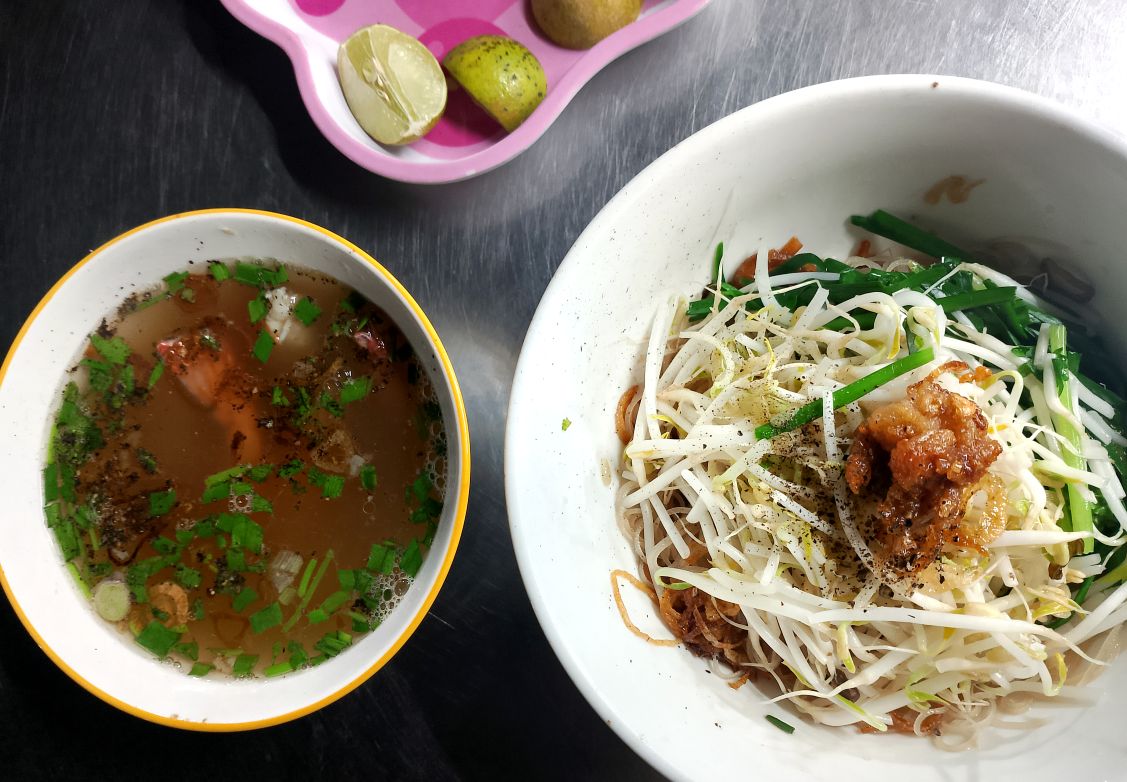
If Chinese-style broth tends to be rich, somewhat fatty and uses many spices, then in My Tho, the broth turns to a natural sweetness from pork bones, reducing grease. Raw vegetables, bean sprouts, chives - familiar products of the river region - are added, creating a light, easy-to-eat feeling and especially ensuring nutritional harmony... Pork, fresh shrimp, squid and eggs become a popular "topping". In particular, from the broth dish, My Tho Hu Tieu also develops a version of dried Hu Tieu, meeting diverse tastes of diners. This flexibility shows that this is a product of the Hoa - Viet community process, reflecting the openness and characteristic fusion of Southern culture.
From food to cultural memories
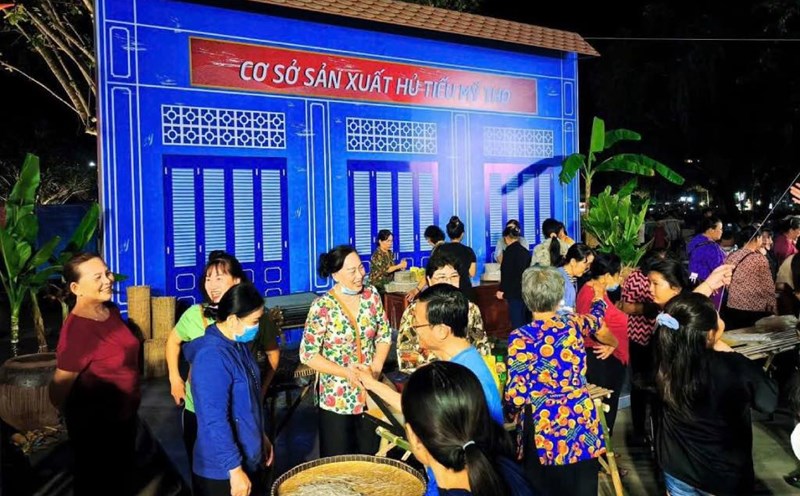
In the morning in My Tho, it is not difficult to see images of noodle shops smoking from roadside shops. According to a survey by Dr. Vo Van Son, by June 2025, in the inner city of My Tho alone, there are over 30 shops and restaurants specializing in serving noodles - an impressive figure showing the vitality of food in urban life.
The sound of shredding strands, the smell of broth spreading in the early morning mist has become a familiar rhythm of urban life. Gradually, hu tieu is no longer just a snack for the morning but has become a part of cultural memory. For many people far from home, just hearing the two words "hu tieu" is enough to evoke a deep longing for the Tien River wharf, for the bustling morning in the Western city.
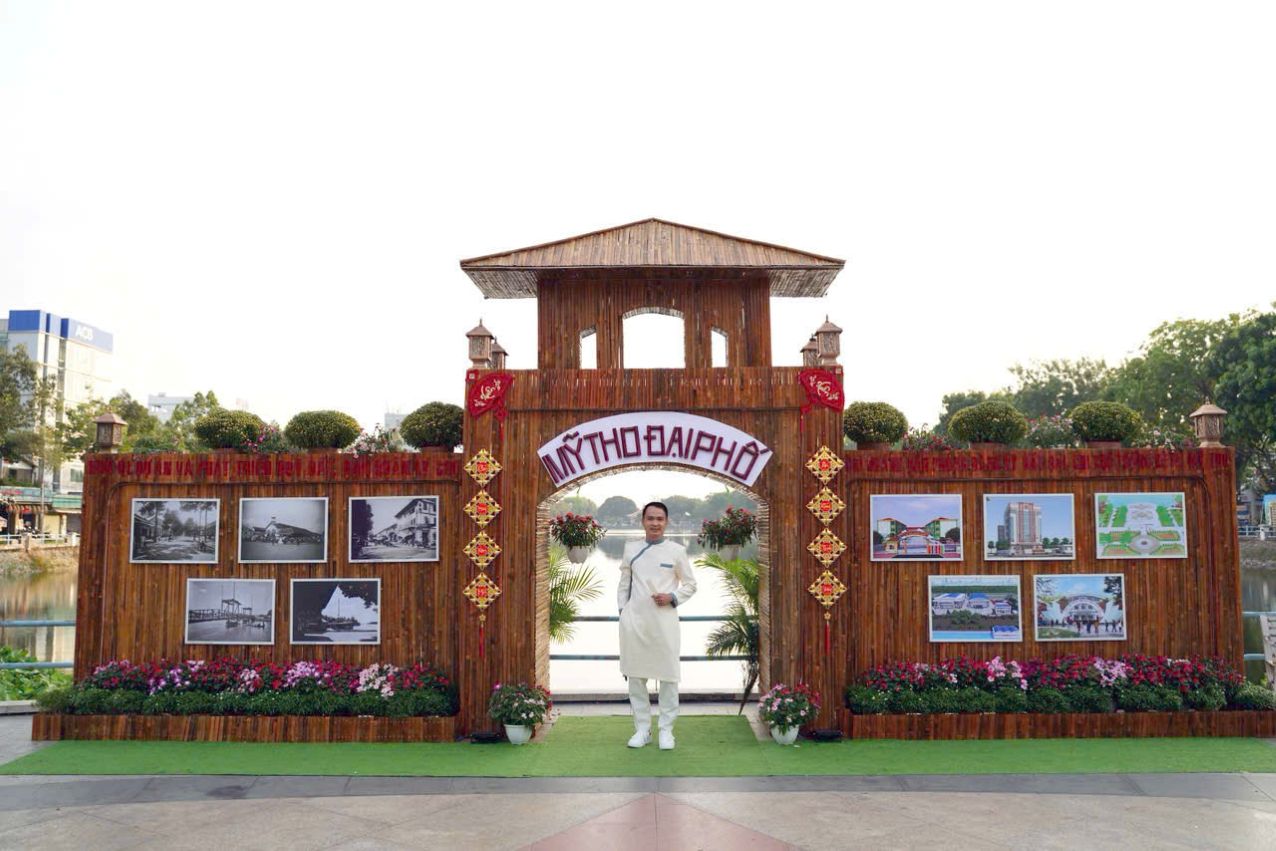
From the flow of Chinese migrants at the end of the 17th century, through more than three centuries of urbanization and Vietnamization, My Tho noodle soup has gone beyond the scope of a dish to become a cultural symbol. In each strand of white noodle soup today, the imprint of the sweat of many generations of people poured down during the process of intersection and constant creativity still faintly appears.
Let's set foot in My Tho once, enjoy a bowl of Hu Tieu in the foothills of the Tien River full of historical imprints, surely everyone will not only feel the delicious taste of the dish, but also feel touched by the depth of history and the love of the land and people of My Tho city...