It has been a century since the first Michelin star was awarded, the story behind the "red guidebook" turns out to be very simple - from tires and long journeys.
From tire company to "arbiter" in the culinary world
Few people expected that the system to evaluate and honor the most prestigious cuisine on the planet was born not from chefs or critics, but from a tire manufacturing company. In the early 20th century, when cars were still a luxury means of transportation, the two brothers André Michelin and Édouard Michelin came up with a very "realistic" way to sell more tires: Encouraging people to drive far.
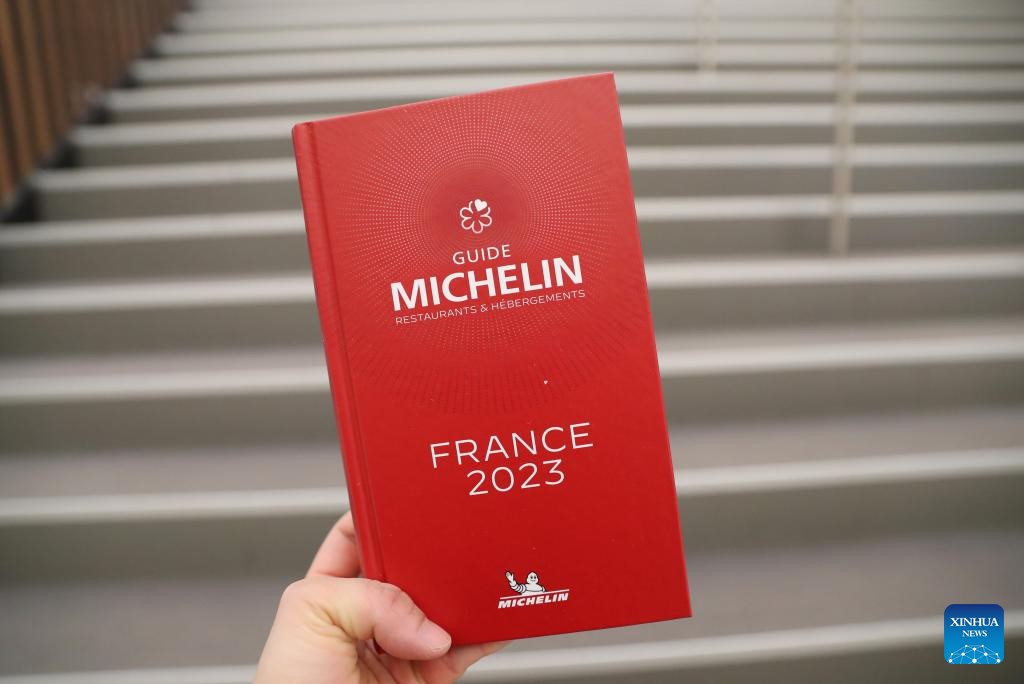
The Michelin Guide was born with the initial purpose of serving drivers, including maps, repair shop addresses, gas stations and even instructions on how to replace tires. It was not until 1920, after being reprinted, that small red-covered book began to list restaurants throughout France. The reason is very simple: If there are places worth visiting, people will go further - and tires will wear out faster.
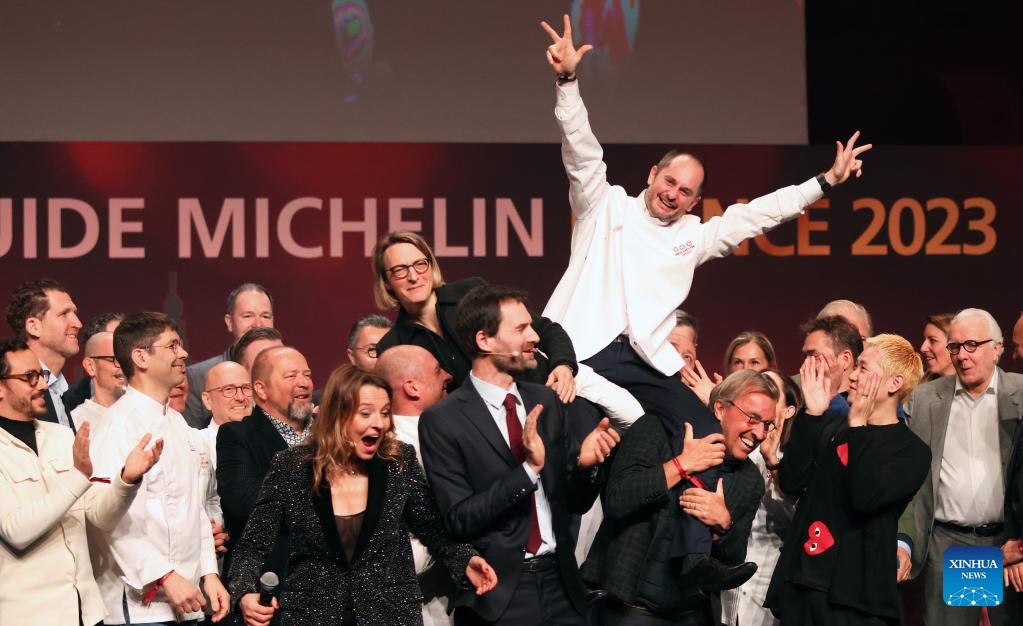
From a small appendix, the restaurant introduction gradually became the soul of the book. In 1926, Michelin first awarded stars to 46 fine dining restaurants in France. By 1931, the 3-star system was officially born, with criteria announced in 1936: One star - "excellent restaurant in the category"; Two stars - "excellent cuisine, worth visiting"; and Three stars - "excellent cuisine, worthy of a special trip". Nearly a century has passed, these definitions have hardly changed.
Today, the Michelin Guide evaluates thousands of dining establishments in more than 40 countries around the world, from luxury restaurants to street vendors. A Michelin star can completely change the fate of a place and the career of a chef, bringing fame and revenue benefits.
When Michelin stars surpass luxury restaurants
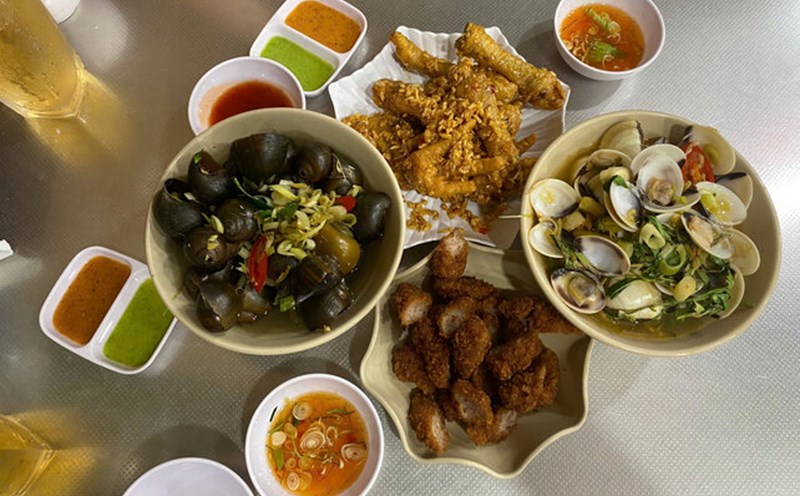
Michelin is not always associated with luxury restaurants, where there are white tablecloths, crystal glasses and premium menus for hours-long meals. From the late 20th century, this organization began to broaden its horizons to places worthy of recognition - from high-end restaurants to popular cuisine, more clearly reflecting the diversity of contemporary eating life.
In 1997, the Bib Gourmand title was born, honoring restaurants that serve high-quality food at affordable prices. Then came the Michelin Plate (now called "Selected Restaurants"), for locations that "simplely cook well". In particular, in 2020, Michelin introduced the Green Star, to recognize restaurants that pursue sustainable cuisine - from ingredients to operation.
These changes have helped Michelin step out of the scope of high-end, luxurious (fine dining) cuisine in Europe, expanding to street food in Asia, family restaurants in Latin America or vegan models in Europe. The fact that popular restaurants in
Singapore or Bangkok were awarded the star title that once caused controversy, but it is also a milestone showing that Michelin is reinventing itself.
However, this system has never escaped debate. Pressure to keep stars, the harshness of anonymous appraisals or questions about subjectivity always go hand in hand with glory. Legendary British chef Marco Pierre White once caused a shock when returning the Michelin star in 1999, saying that he did not want to cook under the pressure of a ranking. However, for the majority of chefs in the world, the Michelin star is still the pinnacle of the profession - whether they are working in a luxury restaurant or a modest kitchen corner.
Memorable records in Michelin star history
A century of existence is long enough for Michelin to accumulate its own record stories - some places keep stars persistently through many generations, some places only have time to "touch" the halo in the blink of an eye.
The oldest Michelin star restaurant is Georges Blanc, formerly La Mère Blanc, located in the small town of Vonnas, eastern France. This place received its first star in 1929 under female chef Elisa Blanc. Nearly a century has passed, the restaurant has never completely lost the Michelin star - a rare achievement in history. Under chef Georges Blanc, the next generation, the restaurant held 3 stars continuously until 2025, with meals "timed" lasting one hour and 15 minutes.
At the opposite extreme are places that break prejudices about prices. If there was a time when the Hill Street Tai Hwa Pork Noodle noodle stall in Singapore was considered the cheapest Michelin-starred restaurant, now that title may belong to El Califa de León. The small taco shop in Mexico City sells each taco for only a few dozen pesos, no seats, no elaborate decorations, but still received a Michelin star in 2024 thanks to the quality of ingredients and durable kitchen skills since 1968.
The longest 3-star record belongs to French culinary "tycoon" - Paul Bocuse. The restaurant named after him, located near the suburbs of Lyon, France, has maintained 3 Michelin stars for 55 consecutive years, from 1965 to 2020. After his death, it continues to operate with 2 stars, serving updated versions of the classic dishes that made Bocuse famous.
Michelin also witnessed unbelievably "short" moments. Taian Table restaurant in Shanghai only existed for 1 day after receiving a Michelin star in September 2016, due to licensing issues. However, German chef Stefan Stiller kept his promise to reopen the restaurant, moved to another location in December 2016, and then won 3 Michelin stars and 1 Michelin Green star in a new look.
Other milestones also show that Michelin is expanding its appraisal range. Seven Swans restaurant in Frankfurt, Germany, became the first vegan restaurant in the world to receive a Michelin star in 2020, with a menu entirely based on sustainably farmed vegetables on its own farm. Meanwhile, in London, Behind restaurant set a record for the fastest Michelin star when it had only been open for 20 days - an almost unimaginable speed in the culinary world.
The official presence of Michelin in Vietnam in recent years not only has the meaning of honoring a few restaurants. It puts Vietnamese cuisine into the global flow, where pho, bun, nem or small eateries are also recognized on the international culinary map.
After a century, the Michelin star still retains its weight not only because of luxurious meals, but because of the story behind it: the journey of eating, moving and exploring of humans. That is what makes the small stars so influential.