
Tung lo mo is the pronunciation of the Cham language in An Giang, used to call the specialty sausage dish made from beef and spices that are "family-inherited".
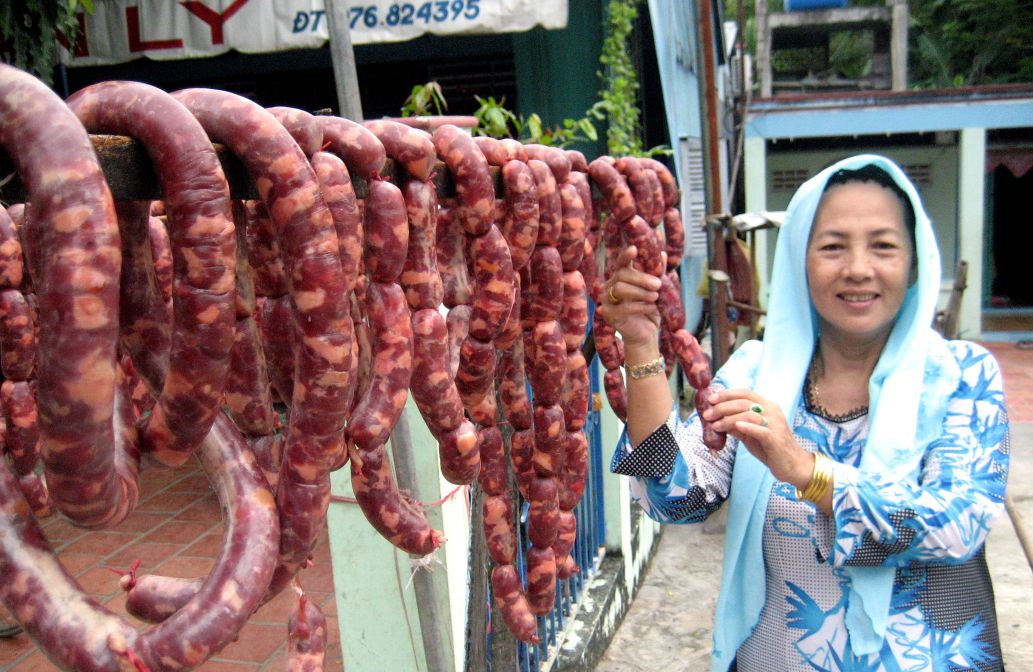
The Cham community in An Giang follows Islam (Chăm Islam), abstaining from pork is a strict regulation in religious law. Therefore, beef becomes the main ingredient for processing many dishes, including tung lò mò. According to popular understanding, tung lò mò means "processed intestines", equivalent to beef sausage.
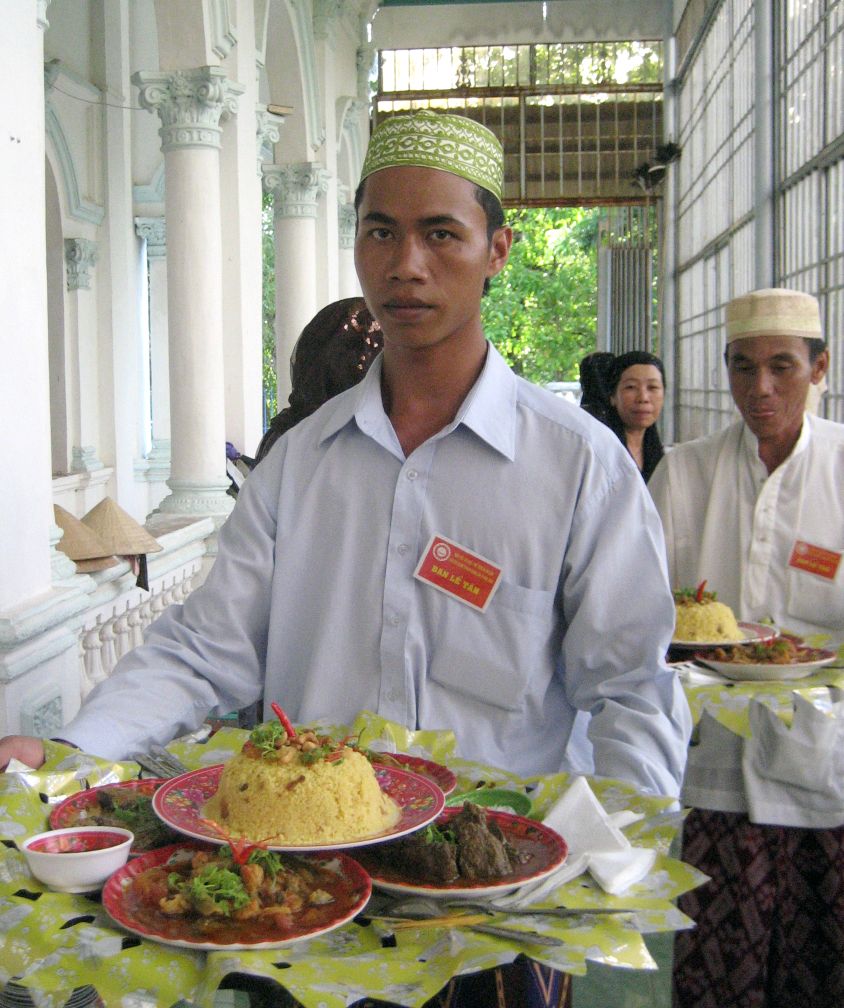
This is a traditional dish, often appearing on major holidays such as Roya Haji. On this occasion, people slaughter cows, divide them among the community and use ingredients to prepare many unique dishes. Not only has a unique name, the way of making tung lo mo is also different from familiar sausages.

The dish is made from shredded beef, mixed with cold rice, spices, then stuffed into the beef intestines and dried. The finished product has a mild sour, spicy, strange but attractive taste. Today, not only the Cham people but also the Kinh people and many other communities are gradually favoring it, with some variations to suit their taste.
The appeal of tung lo mo comes from the ingredients and processing method. Beef used to make this dish is usually the "retrieved" part after peeling off lean meat blocks - including parts still attached to bones, interspersed with a little fat, creating a characteristic chewy, crisp and fatty texture.
After cleaning and removing hard tendons, the meat is minced, mixed in a ratio of about two parts meat, one part fat. The fat is usually a thin type of fat, which helps create softness and moderate fat.
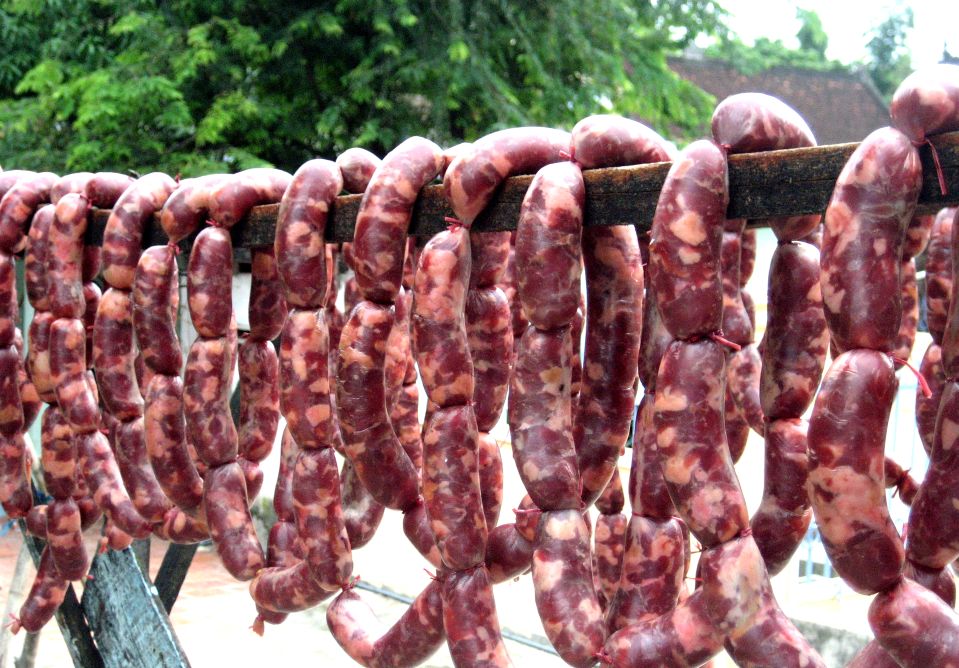
The special feature of Tung lo mo lies in the way it creates a sour taste: the Cham people use cold rice in separate proportions for natural fermentation. The meat mixture is then marinated with pepper, sugar, MSG, anise and secret spices, stuffed into the cleaned and dried beef intestines. The sausage strings are dried in the sun for about 3 days. The longer they are left, the richer the flavor and the more distinctive the aroma.
Unlike pork sausage that is usually fried or grilled with oil, the Cham people have a rather unique way of processing it in a steamer. The sausage is put in a pan, add enough cold water and simmer over medium heat. When the water gradually drains, the sweetness reabsorbs into each piece of meat, and the processor continues to stir gently to drain the fat.
This method helps the dish to be both tender and retain its natural sweetness without being too greasy. When enjoying, diners can easily feel the fatty and buttery taste of beef, a slight sourness due to fermentation, mixed with the pungent spiciness spreading at the tip of the tongue. This harmony creates a "rolling tongue" delicious feeling, the more you eat, the more you roll...
From a dish associated with the religious life and customs of the Cham community, Tung lo mo today has become a unique specialty of the Bay Nui - Chau Doc region, An Giang, contributing to enriching the culinary map of the Mekong Delta region.


