
According to the latest storm news on February 1 from the US Joint Typhoon Warning Center (JTWC), tropical storm Fytia is located about 85 km east of Antananarivo (Madagascar), moving southeast at a speed of 22 km/h in the past 6 hours.
According to international weather forecast models, storm Fytia is likely to continue to move southeast in the next 24 hours.
After about 24 hours, the storm will go deeper southeast. The storm's circulation is forecast to redefine after making landfall. Wind intensity may strengthen again to about 85 km/h in the next 24 hours and reach a maximum of about 100 km/h after 3 days.
However, meteorologists note that the storm is likely to gradually weaken, instead of maintaining a stable intensity in the range of 95-100 km/h as in some other scenarios.
In the next 4-5 days, storm Fytia will encounter rapidly decreasing sea surface temperatures, a disadvantageous factor that weakens the storm into a tropical depression.
Previously, Fytia made landfall in Madagascar at super typhoon level, with gusts over 210 km/h. This is the strongest typhoon ever to make landfall in Mahajanga province since Typhoon Andry in 1983, and stronger than Typhoon Belna in 2019.
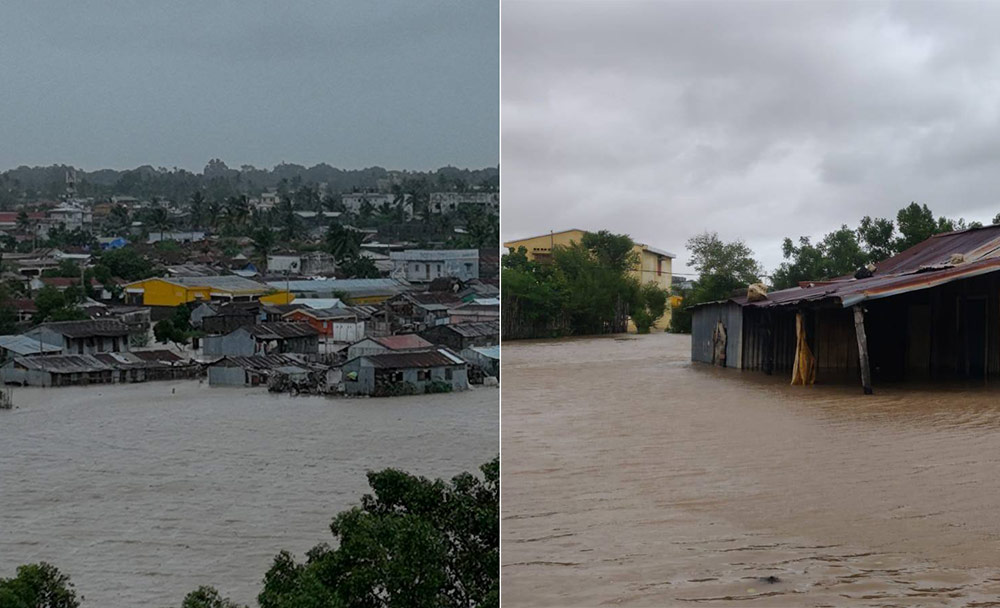
Localities recorded significant damage due to heavy rain, devastating gusts of wind and dangerous rough seas. In the capital Antananarivo, where heavy rain is forecast, a yellow alert is applied to many localities; some local sources worry that hundreds of thousands of people may lose their homes.
Storm Fytia is expected to approach Réunion Island closest from the evening of Sunday, February 1st to the night of Monday, February 2nd. This area may have heavy rain and waves, but the most dangerous weather conditions are mainly still offshore, with direct risks on land at a low level.
Tourists planning to travel to Madagascar or the Réunion Islands, coastal tourism or cruises in the Indian Ocean need to closely monitor weather forecasts, tropical storm warnings and recommendations from local meteorological agencies. At the same time, proactively adjust their schedules to ensure safety.


