Close-up of the artillery battlefield protecting Ham Rong bridge more than half a century ago

QUÁCH DU |

Thanh Hoa - Currently, the artillery position on Hill C4 is still protected and preserved intact, becoming a tourist attraction for people and tourists.

C4 hill battlefield located on Dragon Mountain (Ham Rong ward, Thanh Hoa province). More than half a century ago, this place was an anti-aircraft artillery battlefield, ready to fight back air raids by the US Air Force, protecting Ham Rong bridge.
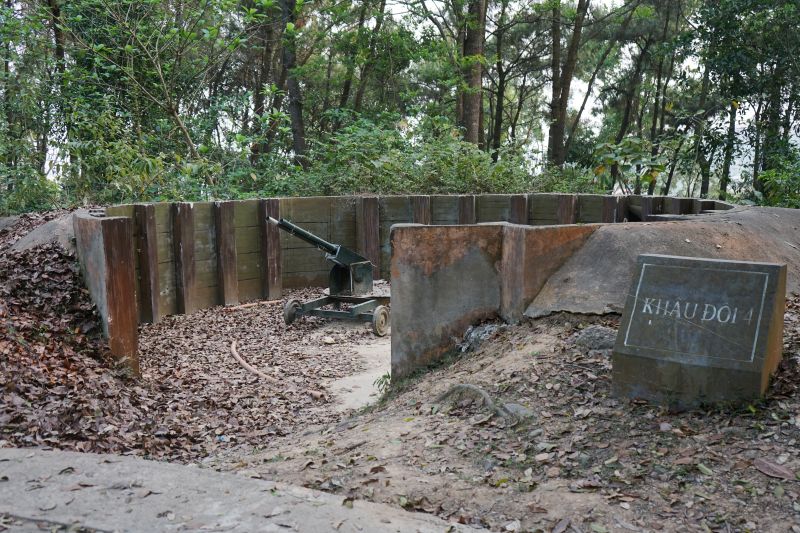
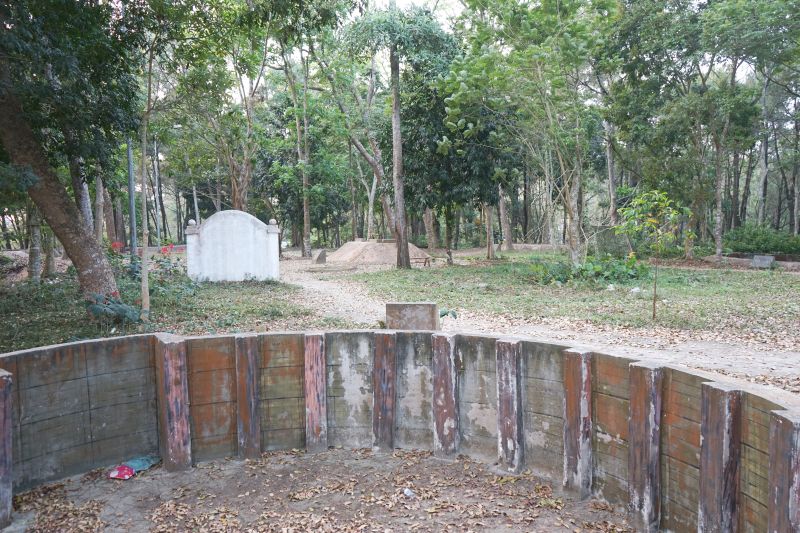
Khu vực trận địa pháo bảo về cầu Hàm Rồng hơn nửa thế kỷ trước. Ảnh: Quách Du
Close-up of the artillery battlefield protecting Ham Rong bridge more than half a century ago. Photo: Quach Du

From 1965 to 1973, this place was a fierce battlefield of Company 4, Regiment 228. The battlefield has an area of more than 12 hectares, located on a hilltop with a system including: 1 command bunker, 2 artillery platoons (B1, B2), 6 batteries, 1 club bunker and 2 ammunition bunkers.

In the command bunker, there are deputy company commander, deputy political commissar and equipment officers. The radar observation area is in charge of the company commander and political commissar; when a target is detected, orders will be transmitted to the command bunker to organize the firing.
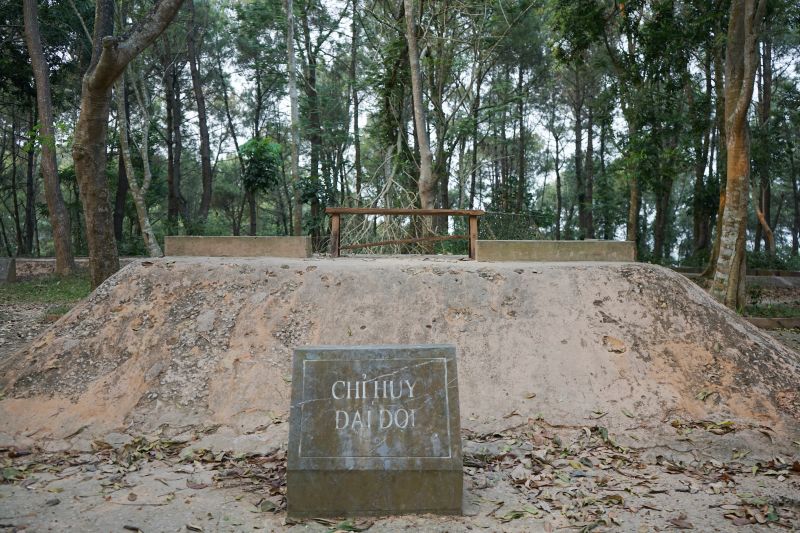
Hầm chỉ huy, nơi đưa ra các quyết định, tổ chức khai hỏa, bắn hạ máy bay địch. Ảnh: Quách Du
The command bunker is the place to make decisions, organize opening fire, and shoot down enemy aircraft. Photo: Quach Du

After receiving signals from the radar station, the command bunker ordered the B1 and B2 artillery platoons to deploy combat and operate batteries to attack aerial targets.

The club basement has an area of about 30 m2, is a place for soldiers to rest and live, and is neatly and tidily arranged. Six batteries are located in strategic positions, directly participating in combat with enemy aircraft.
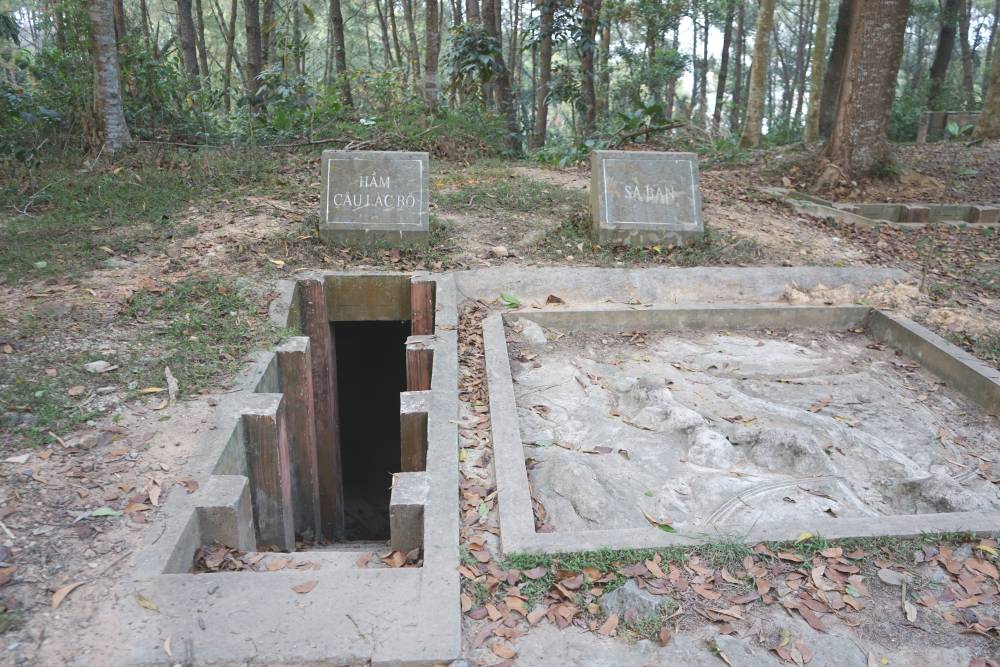
Hầm câu lạc bộ, là nơi nghỉ ngơi, sinh hoạt của các chiến sĩ. Ảnh: Quách Du
The club basement is a place for soldiers to rest and live. Photo: Quach Du

With the slogan "Rather collapse on the cannon than let the bridge collapse", the soldiers persistently stayed, contributing to the successful protection of Ham Rong bridge - a vital traffic route connecting the South and North. On C4 hill, there are still many bomb craters deep in meters, traces of fierce battles, including the battle on July 14, 1966 that killed soldier Do Huu Toai.
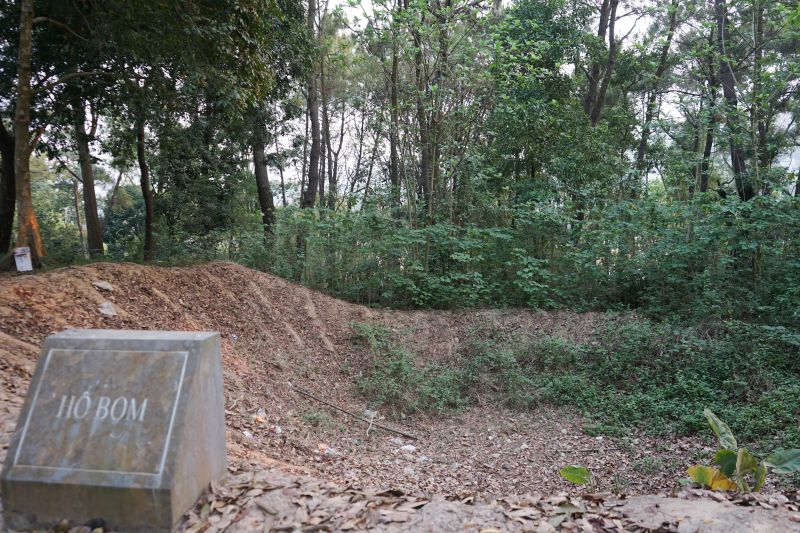
Khu vực hố bom trên đồi C4. Ảnh: Quách Du
Bomb crater area on C4 hill. Photo: Quach Du

After 9 years of fighting, Company 4 participated in more than 400 battles, contributing to shooting down 117 aircraft, including 2 B-52 aircraft and 1 drone. In 1975, the C4 hill artillery battlefield was recognized and ranked as a national historical relic.

According to Lao Dong Newspaper's records, the relic site is currently protected and preserved intact, becoming a tourist attraction for a large number of people and tourists, especially in April every year.

QUÁCH DU
TIN LIÊN QUAN

Close-up of Nam Giao stele - ancient Thang Long heaven and earth altar

|

The only remaining stone stele of the Nam Giao Thang Long troupe where the king prayed to heaven for favorable weather is recognized as a national treasure.

Close-up of the Viet Khe boat grave - Rare national treasure 2,500 years old

|

The Viet Khe boat tomb - National Treasure discovered in 1961 reveals the special burial beliefs of Dong Son residents with hundreds of artifacts.

Close-up of Nam Giao stele - ancient Thang Long heaven and earth altar

Hồng Nhung |

The only remaining stone stele of the Nam Giao Thang Long troupe where the king prayed to heaven for favorable weather is recognized as a national treasure.

Close-up of the Viet Khe boat grave - Rare national treasure 2,500 years old

Mai Phương - Hồng Nhung |

The Viet Khe boat tomb - National Treasure discovered in 1961 reveals the special burial beliefs of Dong Son residents with hundreds of artifacts.

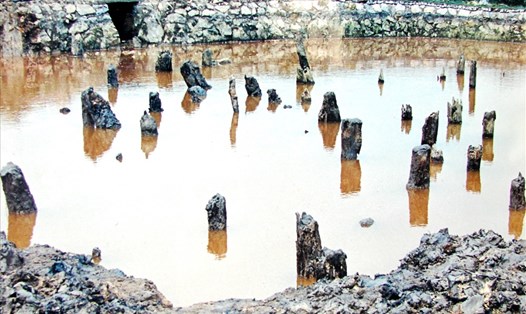
Chiêm ngưỡng trận địa cọc cổ của trận thủy chiến Bạch Đằng lừng danh

Nguyễn Hùng |

Trận thủy chiến năm 1288 trên sông Bạch Đằng, thuộc địa bàn huyện Yên Hưng xưa, nay là thị xã Quảng Yên, tỉnh Quảng Ninh của quân dân Đại Việt, dưới sự chỉ huy của Quốc công Tiết chế Hưng đạo đại vương Trần Quốc Tuần cùng với Thái thượng hoàng Trần Thánh Tông và vua Trần Nhân Tông, không chỉ phá vỡ hoàn toàn âm mưu xâm lược Đại Việt, mà còn chặn đứng đường tiến công chinh phục châu Á của đội quân hùng mạnh nhất thế giới lúc bấy giờ. Một phần của trận địa cọc cổ đó, đã góp phần tiêu diệt và bắt sống toàn bộ đạo binh thuyền hùng mạnh của quân xâm lược Nguyên Mông do Ô Mã Nhi chỉ huy gồm 600 chiến thuyền và 40.000 quân, hiện vẫn được lưu giữ những ruộng đồng, hồ ao ở thị xã Quảng Yên, tỉnh Quảng Ninh. Trong đó, chỉ có bãi cọc Yên Giang lộ thiên để phục vụ công tác nghiên cứu, tham quan, học tập; 2 bãi cọc khác, sau khi khai quật, lại tạm phủ đất, bùn lên để được bảo quản tốt hơn.