
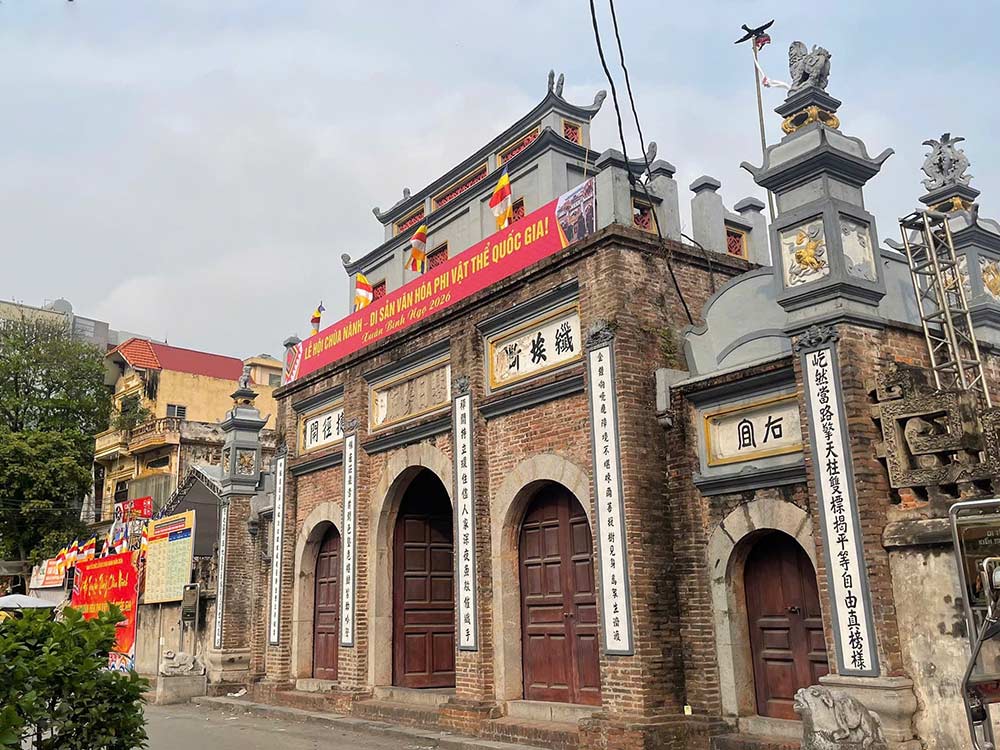
Located in the ancient land where the two brilliant cultural flows of Thang Long and Kinh Bac intersect, Nanh Pagoda today is located in Nanh village, Phu Dong commune, Hanoi. According to documents still preserved at the pagoda, the pagoda was originally built during the Ly Dynasty, the official name of Nanh Pagoda is Phap Van Pagoda.
This is one of the four Great Four Dharma Pagodas of the North, along with Dau Pagoda (Bac Ninh), Dau Pagoda (Hanoi) and Keo Pagoda (Hung Yen). The Four Dharma pagodas include the Four Clouds, the Five Dances, the Four Thunders, the Four Electricity, symbolizing natural forces such as: Clouds, rain, thunder, lightning.
According to documents from the Department of Cultural Heritage, the Four Dharmas are the only image appearing on the altar of Vietnamese people as both a god and a Buddha. The Four Dharmas Buddhism is a folk Buddhist religion imbued with the cultural identity of the Vietnamese nation - a nation whose main source of livelihood is based on wet rice agriculture.
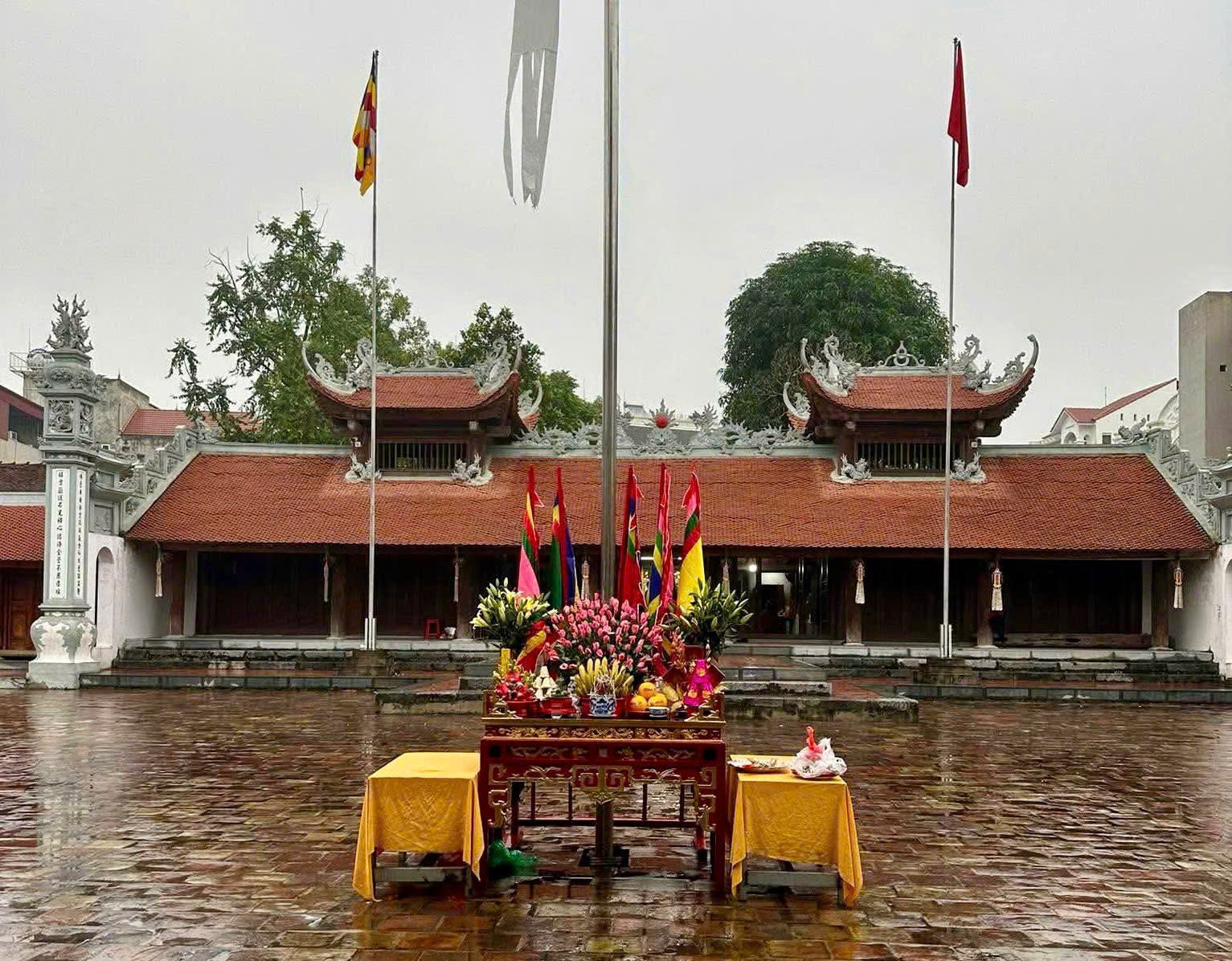
The architecture of Nanh Pagoda is built in the style of the word "Cong", with a layout including many items such as three-entrance gates, front hall, rear palace, Mother hall, ancestral house and water communal house. The works are harmoniously linked, creating a whole that is both majestic and close, bearing the imprint of traditional Northern architecture.
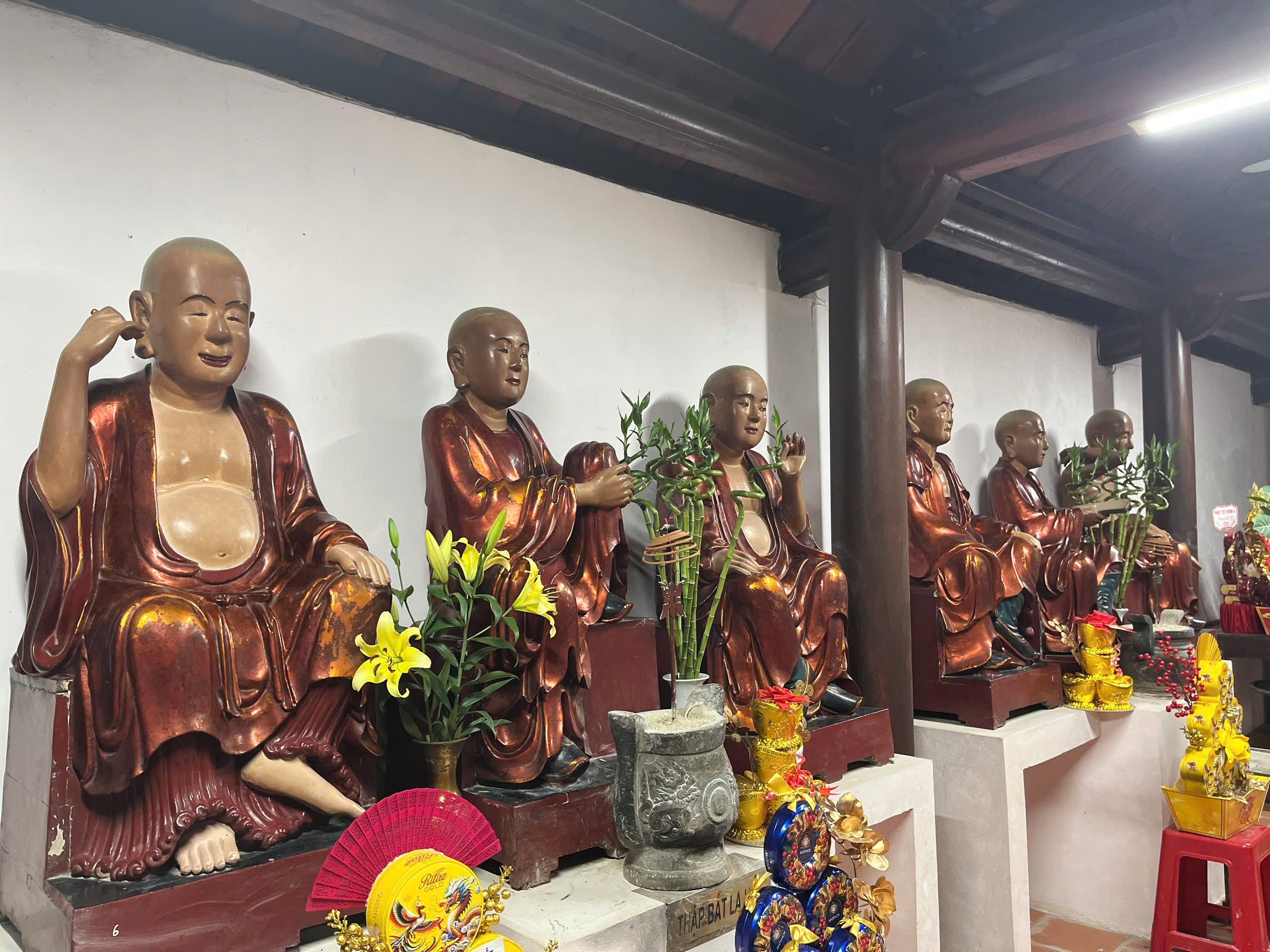
Nanh Pagoda owns a system of extremely unique statues, including 116 Buddha statues, Mother statues, and Queen statues in the late 17th - 19th centuries' artistic style. The pagoda corridor has a system of the Eighteen Arhat statues, the most unique of which is a statue of an ancestor carved on a natural stone.
In addition, in the pagoda, there are also stone steles, bronze bells, bronze cloches, genealogies, and royal decrees from various dynasties. Especially the "Phap Van Tu Hong Chung" bell of the Thinh Duc 1 year (1653) with Mac Dynasty (XVII century) carving art style. This is a rare ancient bell remaining in our country.
On January 21, 1989, Nanh Pagoda was ranked by the Ministry of Culture, Sports and Tourism as a National Historical and Architectural Art Relic. The Pagoda was decided by the Hanoi City People's Committee to attach a plaque of Relic of the Resistance Revolution in 2005.
Nanh Pagoda is not only a religious work but also plays an important role in the cultural and spiritual life of Kinh Bac residents. Throughout historical periods, the ancient pagoda was both a place for ceremonies and a community gathering space, a place for local religious and cultural activities.
Located in the bustling business area, Nanh Pagoda festival plays a balanced role, helping the trading space not lose its identity. The festival takes place in February of the lunar calendar every year, from February 4th to February 6th of the lunar calendar. The festival is organized to commemorate the Buddha Phap Van, one of the Four Dharmas of Buddhism, a place to send the wishes of early spring of agricultural residents for a year of favorable weather, a peaceful and prosperous life.
With many solemn rituals such as: the procession of the spirit, the procession of Buddha and Saints, the six offering ceremony... each ritual is associated with a historical and cultural story.
According to Mr. Nguyen Nhu Quan - Head of the Relic Management Sub-committee, some rituals that were once lost, such as the ritual of raising the Phan tree and erecting the Phuong tree, have been restored since last year and continue to be maintained this year. The restoration of ancient rituals not only contributes to completing the ritual space but also helps to more clearly recreate the ancient religious life of the community.
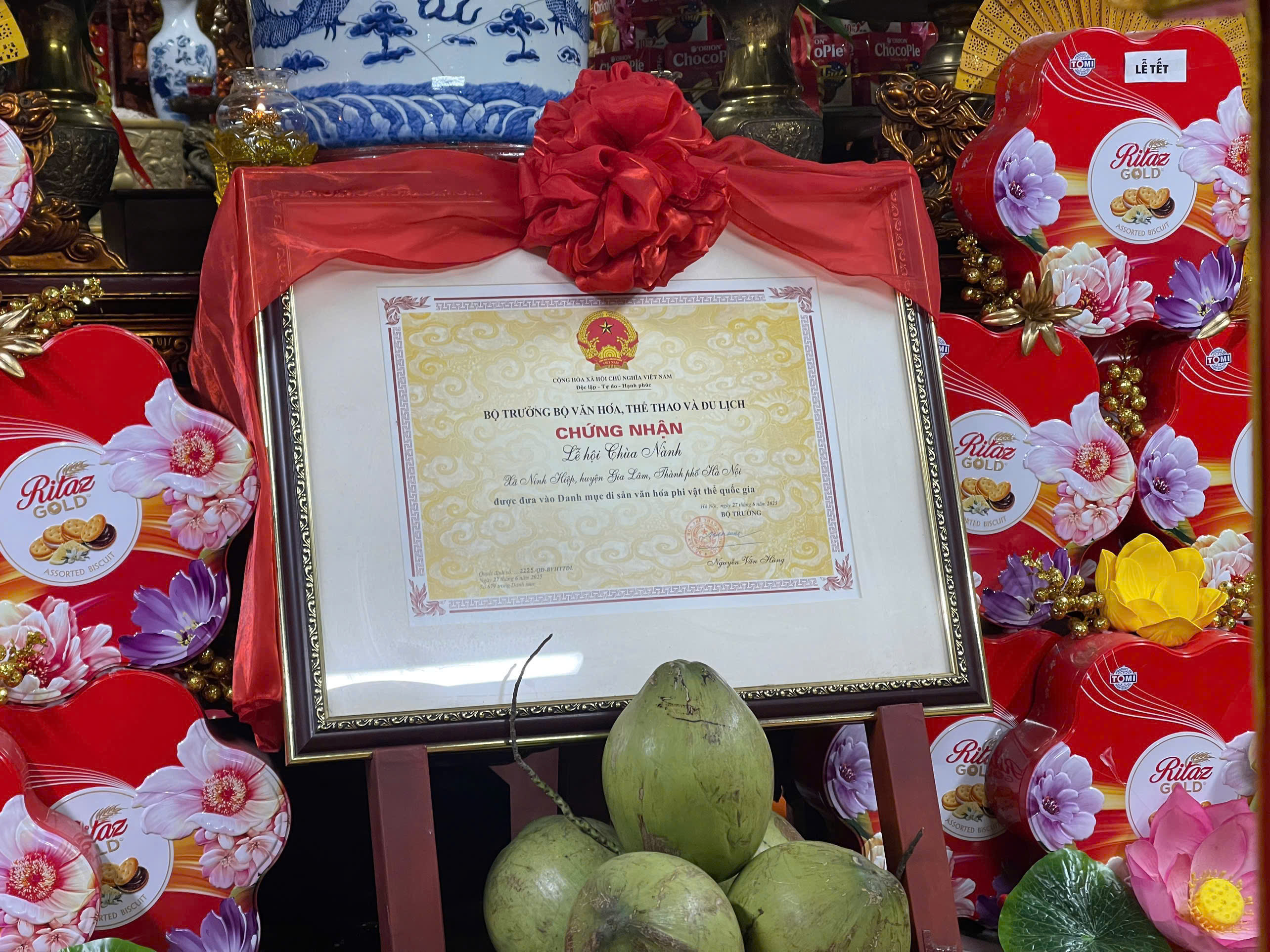
Nanh Pagoda Festival was listed in the list of National Intangible Cultural Heritage in 2025. This event not only affirms the historical and cultural value of the festival but also opens up opportunities for the heritage to continue to be preserved and promoted in contemporary life.


