
Hai Phong is not only attractive to tourists because of its beautiful natural landscape but also contains a rich spiritual culture. A day's journey to explore famous pagodas and temples in the Port city will be a meaningful experience, returning to a peaceful place and admiring the ancient architectural features.
Phuong Linh (1990, Hanoi) and a group of friends chose a weekend day to make a pilgrimage to Hai Phong by self-driving car. Starting from the center of Hanoi city, the car followed Ring Road 3 and passed Vinh Tuy bridge across the Red River. After that, the whole group went straight on National Highway 5 towards Hai Phong to reach the first stop, Cao Linh Pagoda.
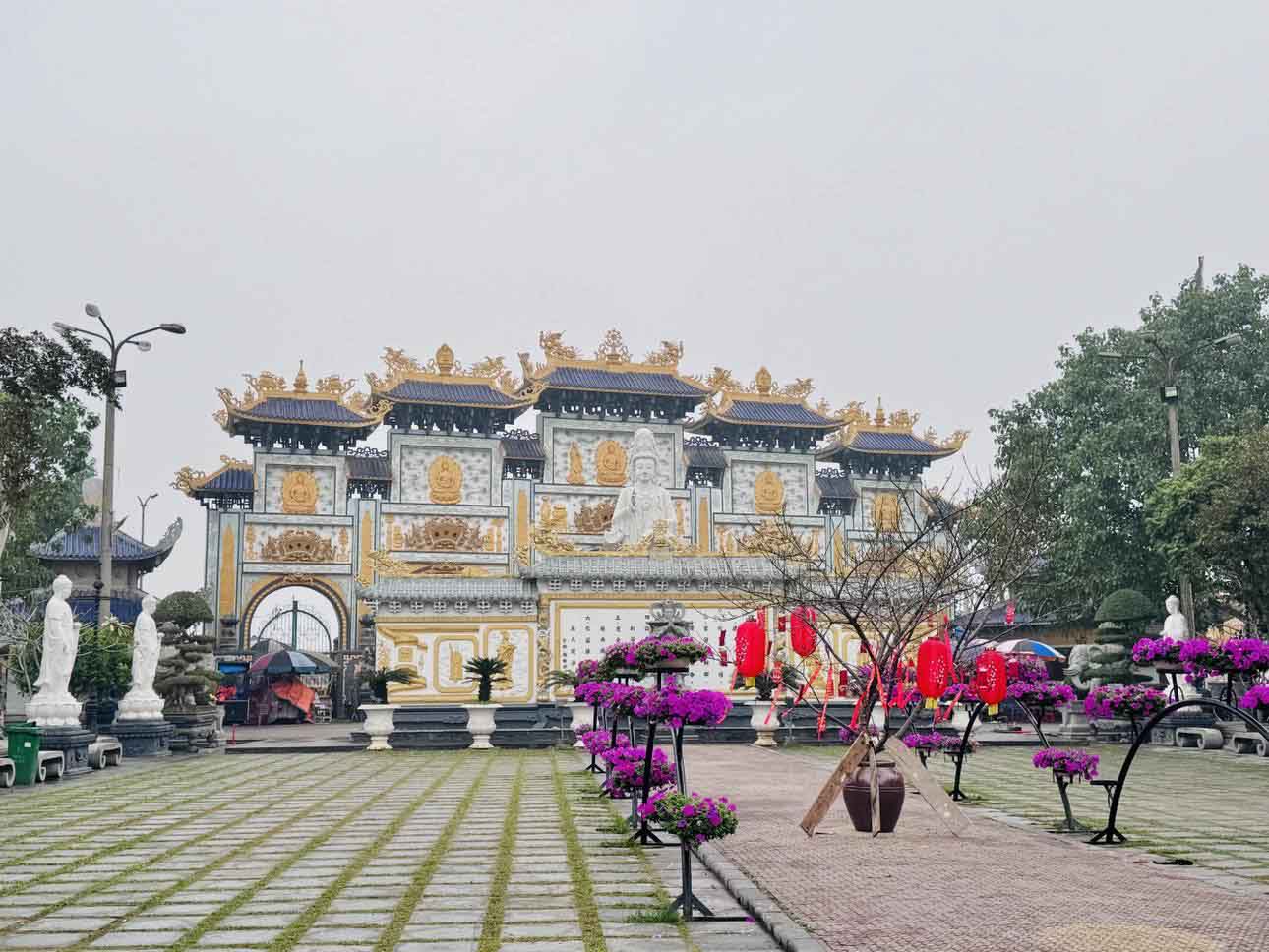
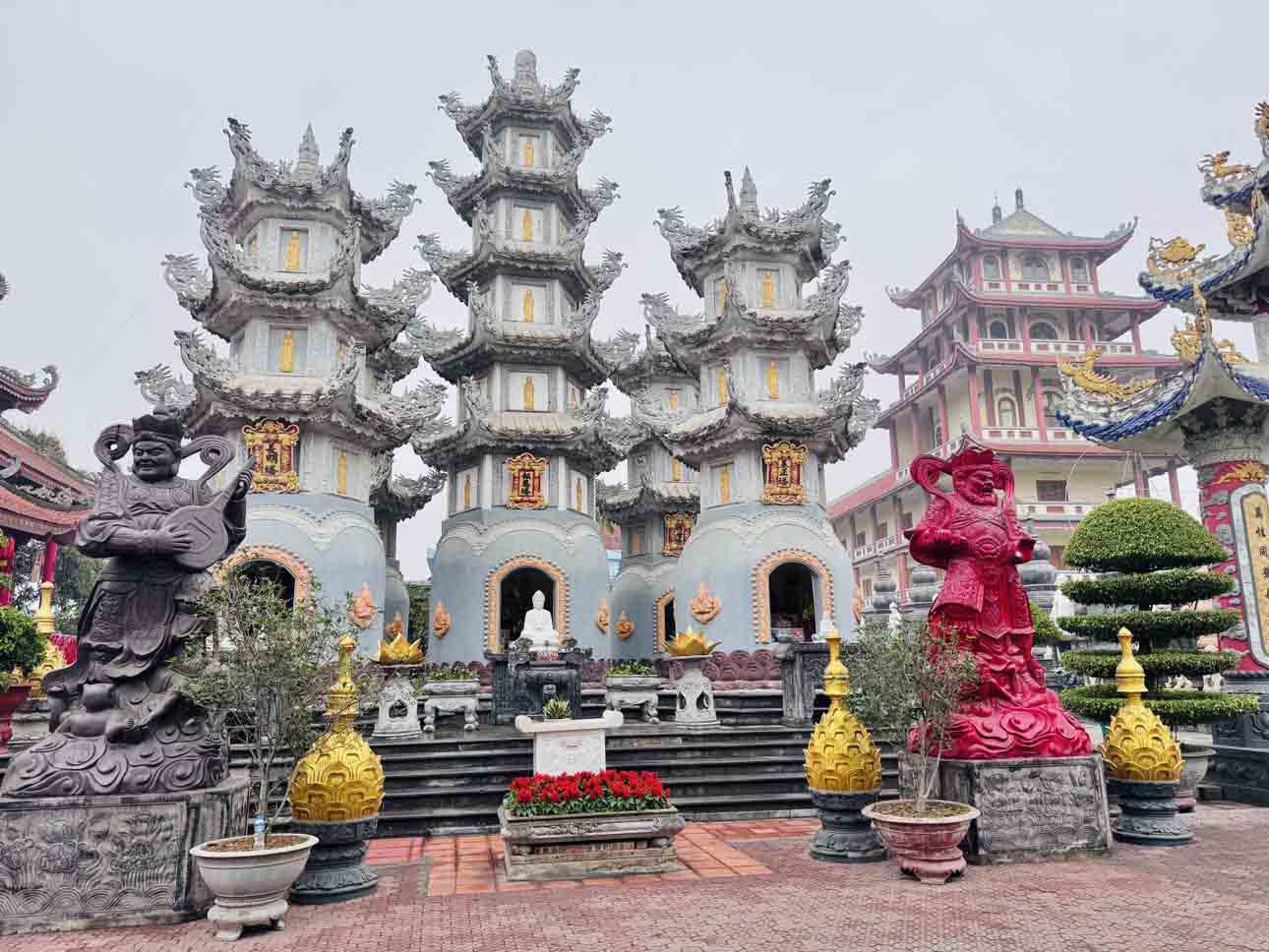
Located at the western gateway of Hai Phong city, Cao Linh Pagoda (also known as Bach Dang Giang Pagoda) is a unique intersection between traditional national architecture and the breath of Western Buddhism. The ancient pagoda has a history of more than 300 years from the Later Le Dynasty, once heavily destroyed in the smoke and fire of the resistance war against France. It was not until the major restoration in 2011 that the pagoda regained its spacious, majestic and majestic appearance as it is now.
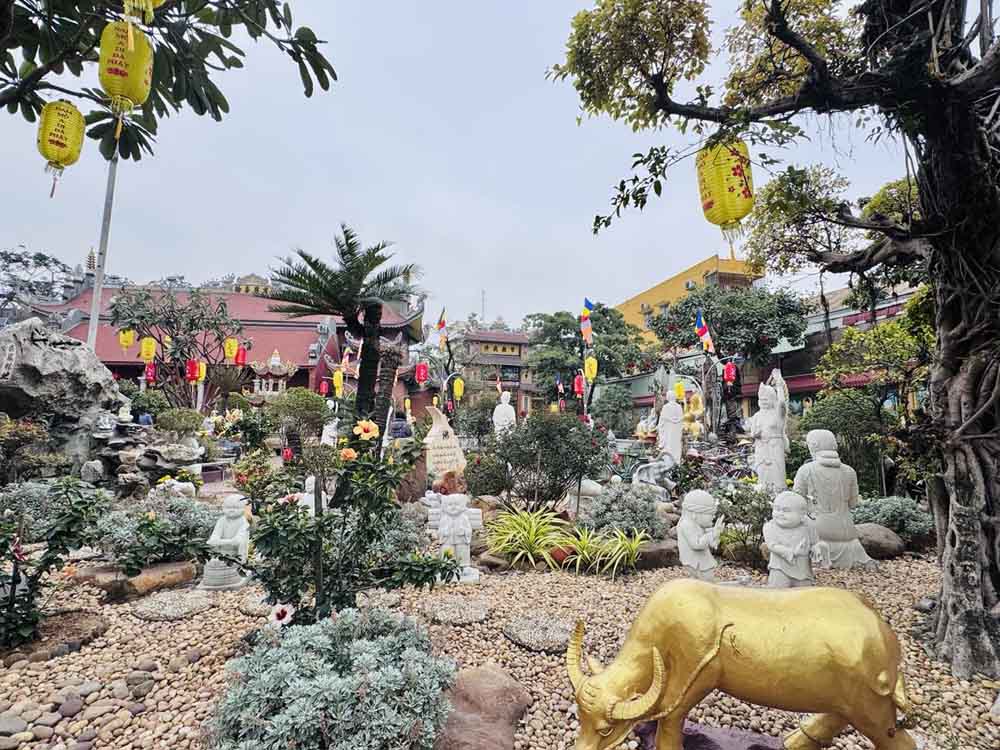
The pagoda grounds are spacious and peaceful with the highlight being a green lake in the middle and a statue garden recreating a solemn sermon scene. Not only stopping to admire the scenery or respectfully worship, Phuong Linh was also particularly impressed when learning about the proud historical journey of this pagoda.
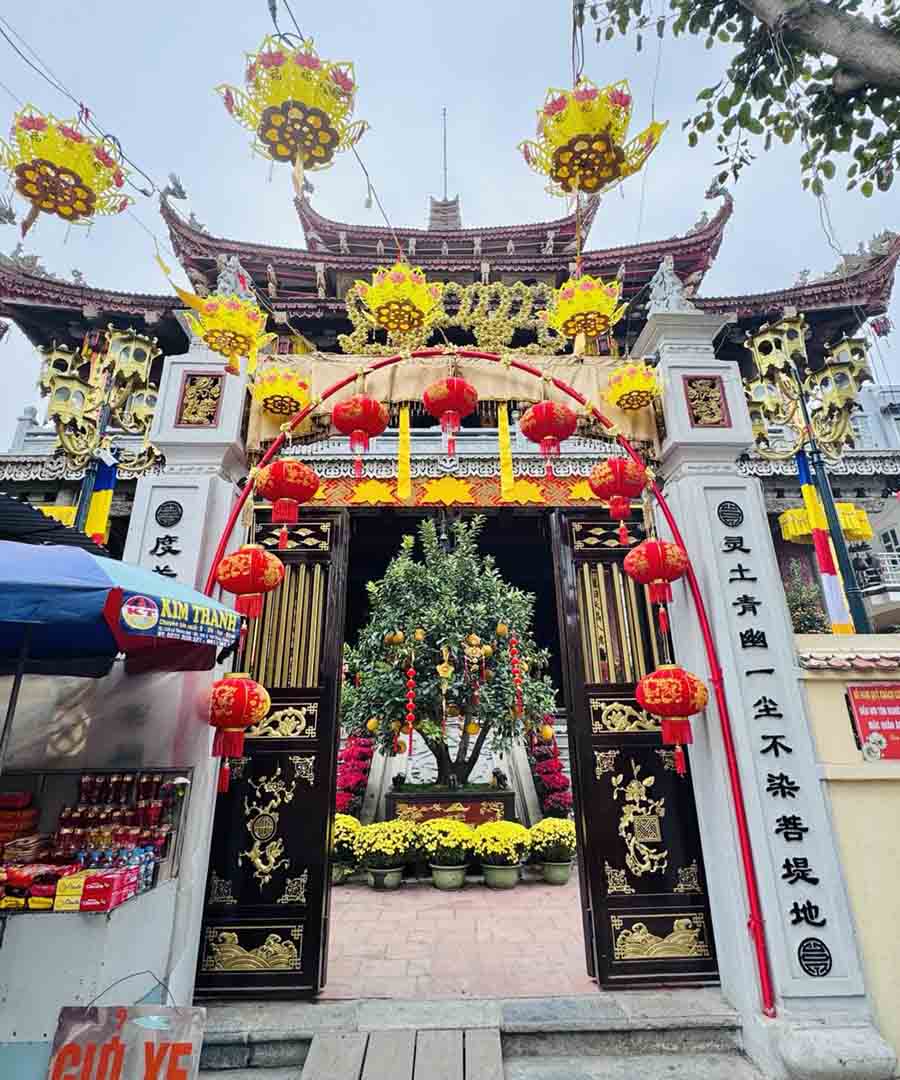
The pagoda's campus is spacious and peaceful with a clear blue lake and a Buddha statue garden recreating a solemn sermon scene. Not only stopping to admire the scenery and worship, Phuong Linh was also impressed when learning about the history of formation and restoration of this pagoda.
Leaving Cao Linh Pagoda, the journey continued to take the group of friends to Red Pagoda, also known as Linh Do ancient pagoda. This ancient pagoda is located in a small alley on Le Lai street, Hai Phong city.
With the typical traditional architecture of Bac Bo pagoda and long history, Red Pagoda impresses many tourists when they set foot here. This place is also praised by local people for its sacredness, causing many people to come to worship and pray for peace.
Red Pagoda is an ancient pagoda with traditional Northern architecture. This is an important place for religious activities of local people and is mentioned by many people for its sacredness," Phuong Linh shared.
After visiting Red Pagoda, the group of friends stopped at a vegetarian restaurant near the city center to have lunch and rest before continuing the afternoon journey.
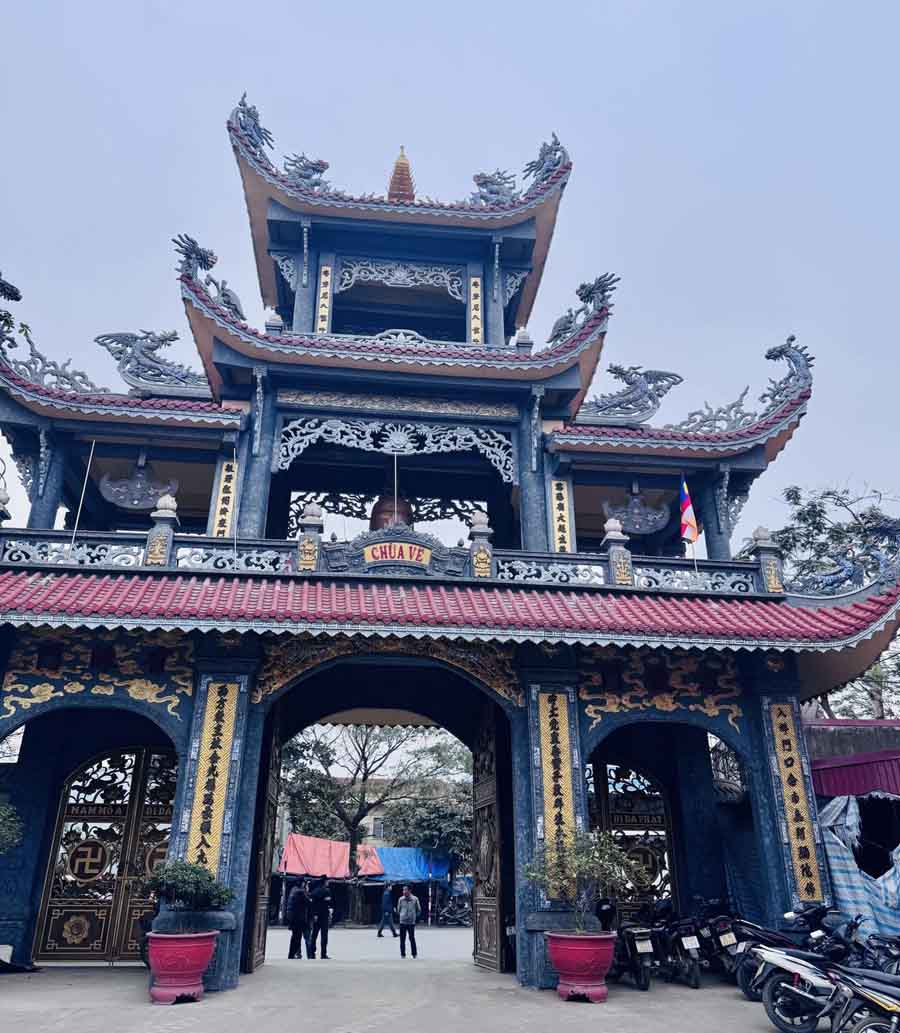
The next destination in the journey is Ve Pagoda, also known by the letter name Hoa Linh Tu, located in Dong Hai ward, near Dinh Vu port. The pagoda is associated with many historical imprints of the coastal land, especially the Bach Dang victories in 938 by Ngo Quyen and in 1288 during the Tran Dynasty.
The pagoda's architecture bears a strong imprint of Northern tradition, with graceful curved tiled roofs and sophisticated carved motifs. The pagoda also preserves many precious antiques, especially the system of stupas, statues of saints and gods, statues of the Later Buddha and statues of the Patriarch. In 1994, the pagoda was recognized by the state as a National Historical Relic.
Every year, Ve Pagoda organizes many Bodhi Tam summer retreats for young people to cultivate self-reliance, increase compassion and filial piety. This activity has attracted a large number of young people to participate.
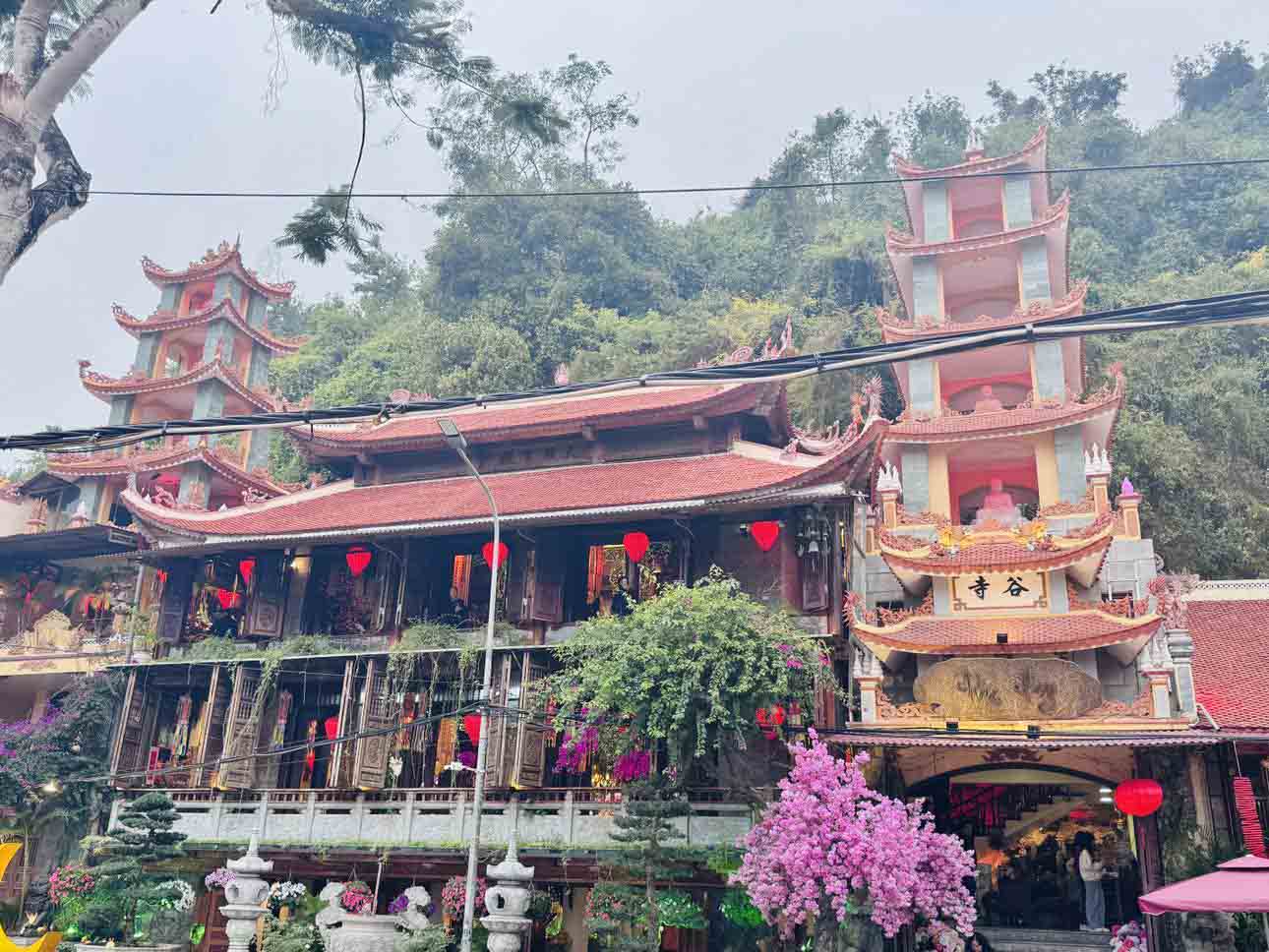
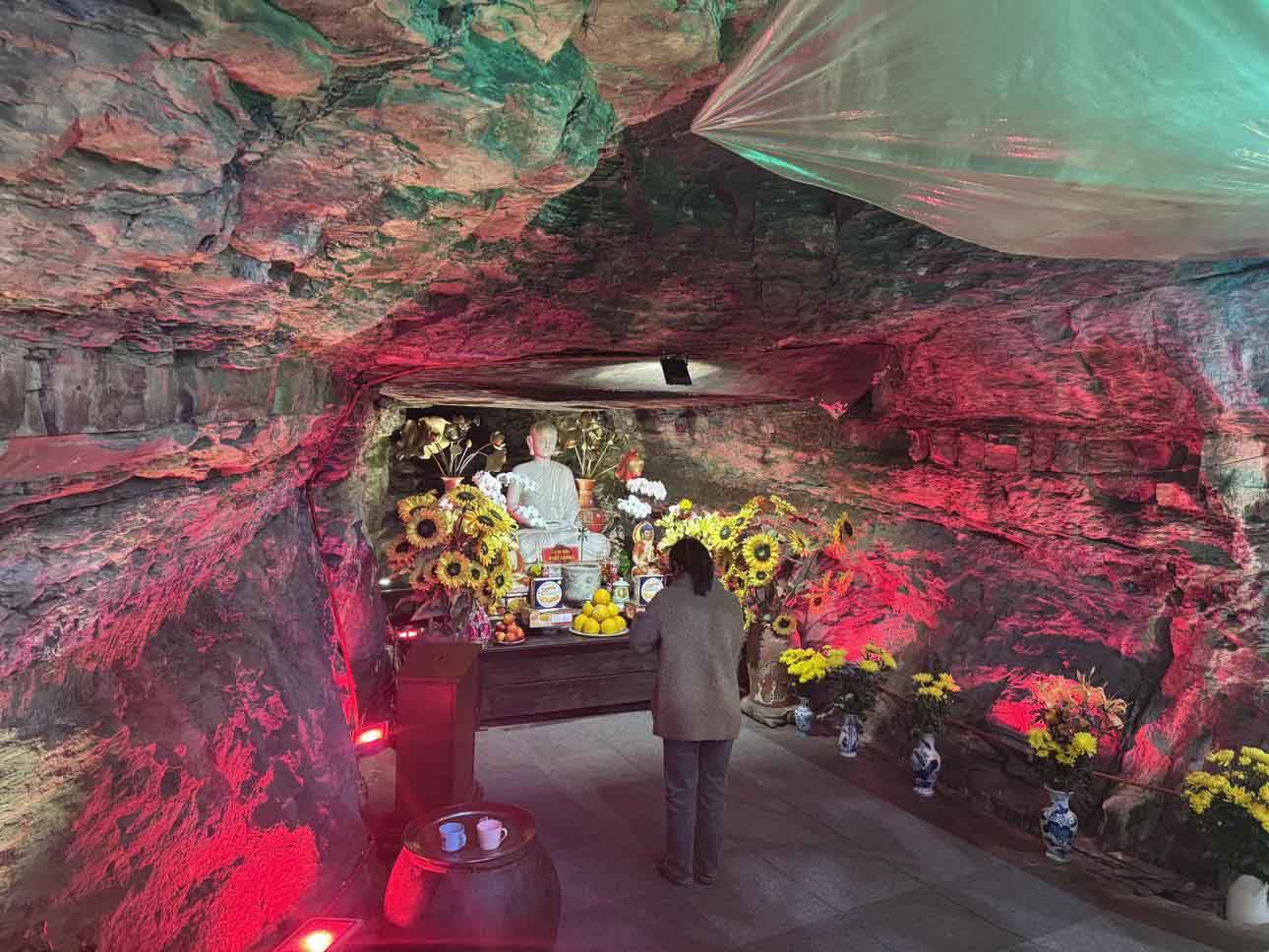
The last stop in the group's one-day pilgrimage journey is Hang Pagoda, also known as Coc Tu, located in Do Son ward, Hai Phong. This unique pagoda is not only a spiritual destination but also a natural architectural wonder of the Do Son sea area. With a unique trapezoidal structure, Hang Pagoda is hidden about 25 meters deep in the mountain, bringing a mysterious and quiet worship space.
Ending a day of exploring the ancient and sacred pagodas of Hai Phong, Phuong Linh and her group had a memorable experience. The total cost for the trip, including car rental and food, was less than 500,000 VND/person.
Phuong Linh shared: "After a day of visiting the pagodas in Hai Phong, my heart is filled with peace and tranquility. In addition to the places I visited, Hai Phong port city also has many other famous pagodas that I have not been able to visit such as: Pho Chieu, An Bien, Dong Thien, Thang Phuc... due to time's limit. Each pagoda has its own unique beauty, from ancient architecture to a peaceful space.


