
Architectural traces of more than 3 centuries
So communal house is located in So village, Hung Dao commune (former Quoc Oai district), Hanoi city. So communal house has long been considered one of the most typical ancient communal houses of Xu Doai region. Not only famous for the saying "Beautiful So communal house, big Can communal house", this relic is also a vivid proof of the level of architecture, fine arts and religious life of Vietnamese people from the 17th century.
According to the content of the stele here, So communal house was restored in 1663, with a rare majestic scale in the Northern village communal house system. The project is located on a land area of more than 4ha, bearing the feng shui land "mountain and water charming" when leaning against the mountain behind, and the Day River winding in front.
Is one of the typical ancient communal houses of Xu Doai. The large communal house is designed according to the traditional structure with 5 compartments, 2 porches, built entirely of ironwood, using the characteristic "chồng rường - giá chiêng" technique. The system of trusses and pillars is massive, tightly linked, creating a spacious, airy and solid space. The carved details are concentrated at the ends of dư, bẩy, cốn... showing the image of the four sacred animals, the four precious animals and many vivid folk stories, reflecting the rich spiritual life of agricultural residents.
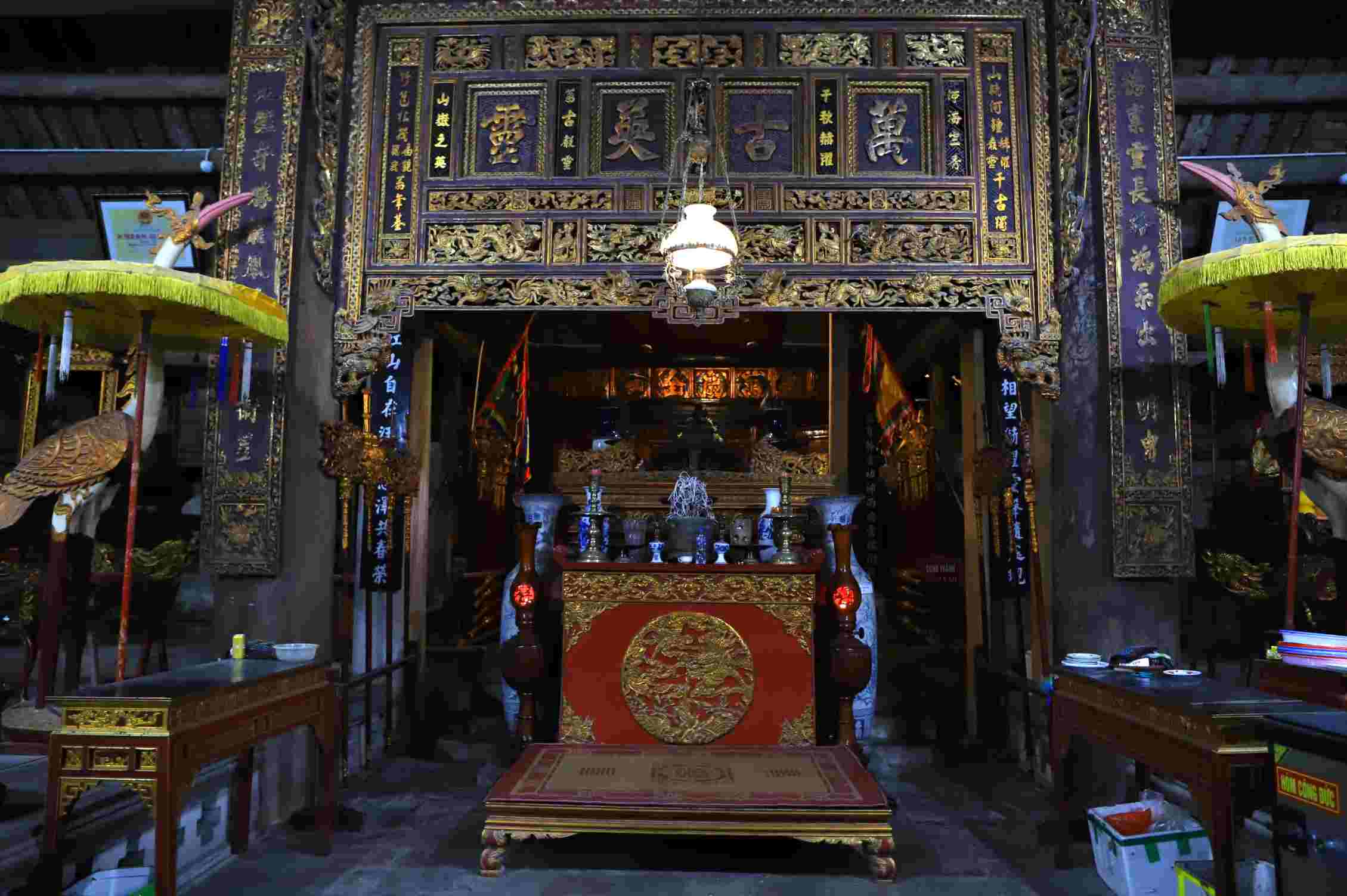
Not only valuable in terms of scale, So communal house stands out for its harmony in the overall architecture: From the nghi mon gate, communal house yard, large communal house to the harem, all are arranged symmetrically, creating a unified whole. These factors not only show the high level of construction techniques but also affirm the aesthetic value and unique spatial thinking of the 17th century Vietnamese people.
So communal house is also a space to preserve community memories. This place worships 3 village tutelary gods - generals who helped King Dinh Tien Hoang suppress the rebellion of 12 envoys and unify the country. Over the centuries, the communal house has become an important cultural and religious activity center for local residents.
So communal house has been awarded 3 certificates of National Relic Ranking: 17th Century Architectural Relic (ranked in 1980), Historical - Cultural Relic (in 1995) and Special National Relic signed by the Prime Minister, in Decision No. 1820/QD-TTg dated December 24, 2018. This event once again affirms the position and typical value of the communal house in the treasure of Vietnamese traditional cultural and architectural heritage.
Preserving cultural features from traditional festivals
One word, please remember who
The village festival returns on the eighth day of the second lunar month.
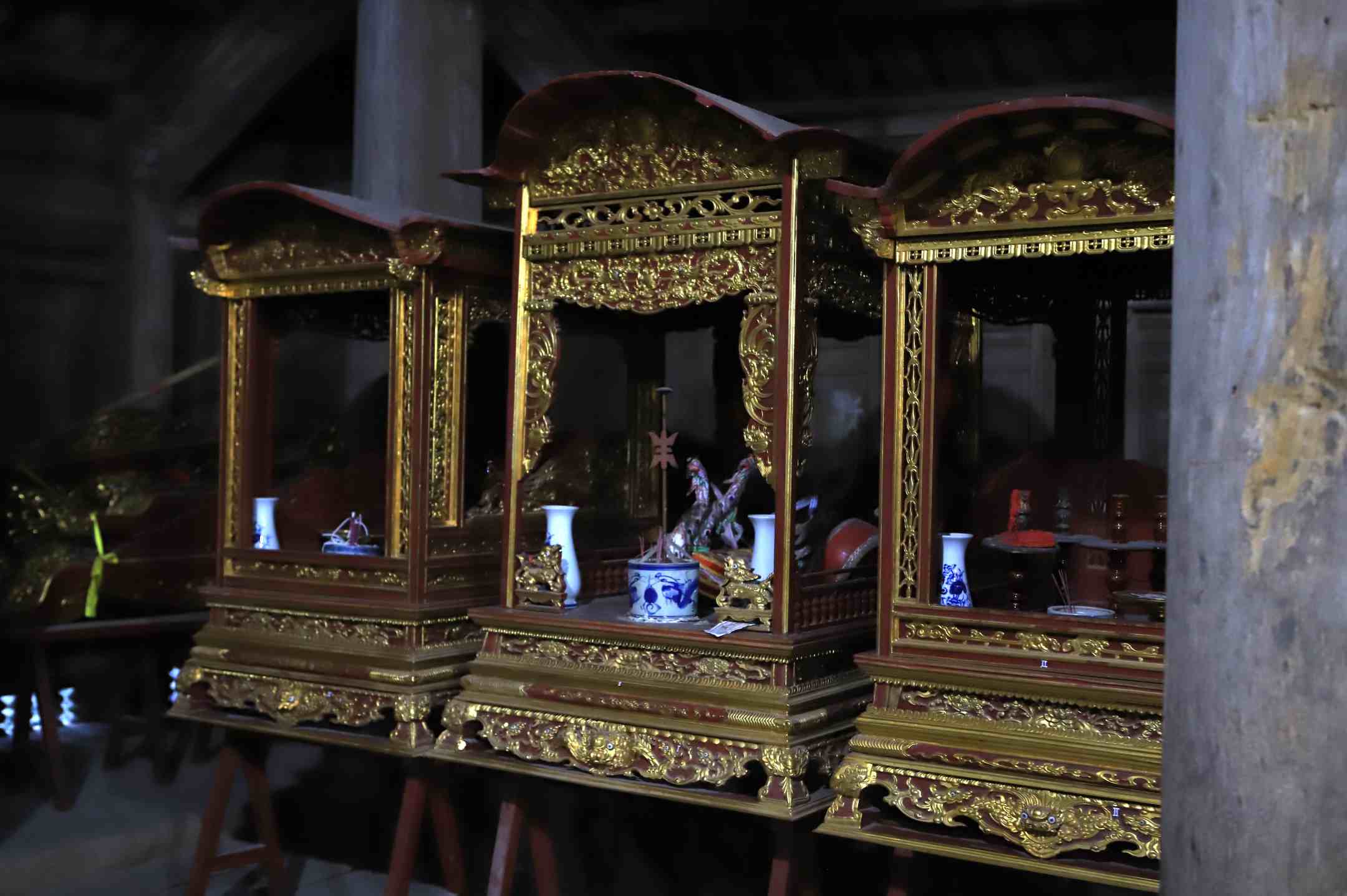
That song reminds the children of So village that wherever they go, they look towards their homeland, where the village festival takes place on the eighth day of the second lunar month every year, from the 8th day of February to the 10th day of the second lunar month. The spring festival at So communal house is an occasion to commemorate the birthdays of the Saints, during these 3 days, the villagers perform the ritual of carrying the ancestral tablets from Mieu Ong and Mieu Ba - the parents of the Saints to the communal house to enjoy incense and smoke together, expressing respect and gratitude.
With many solemn rituals such as palanquin processions, ceremonies, and folk performances taking place in the village communal house space. All create a festival season imbued with identity, where spiritual elements blend with community cultural activities.
Ms. Duc Thi Hoa - Director of the General Service Center of Hung Dao commune (Hanoi) said that every year after the Lunar New Year, the preparation for the festival at So communal house will be deployed early and last for many months. However, this year, due to coinciding with the time of elections, the preparation plan had to be postponed compared to every year. Up to now, basic organizational stages have been implemented, from the issuance of plans, assignment of tasks to the establishment of the organizing committee. To ensure the preservation of traditional rituals, the organizing committee has arranged for local people with experience to coordinate with people outside the locality, gradually approaching and practicing according to standards.
Regarding the number of visitors, because the festival takes place on weekdays, the number of attendees is expected to decrease compared to previous years when it was held on weekends or holidays. However, this year's festival still recorded some notable new points, including the arrangement of free buffet meals serving people and tourists from all directions. This is the first year this model has been implemented, along with plans to support reporters in their work, contributing to improving the quality of organization and festival image.
In the modern context, when many traditional values are facing the risk of fading, preserving and promoting the So communal house festival is not only the responsibility of the locality but also a common story about preserving national cultural heritage.
The traditional Dinh So festival in 2026 is expected to take place on March 26th, 27th and 28th at the Dinh So Special National Relic Site.


