
Located on National Highway 4D, O Quy Ho is a road connecting two provinces of Lao Cai (old) now Yen Bai and Lai Chau. With a length of nearly 50km and an altitude of more than 2,000m above sea level, this place is considered one of the longest, most dangerous and majestic passes in the northern mountains.
The pass is also known as Hoang Lien Pass because it is located across the majestic Hoang Lien Son range. Many tourists call this place "May Pass" because it is covered with white clouds all year round, creating a scene that is both pristine and poetic.
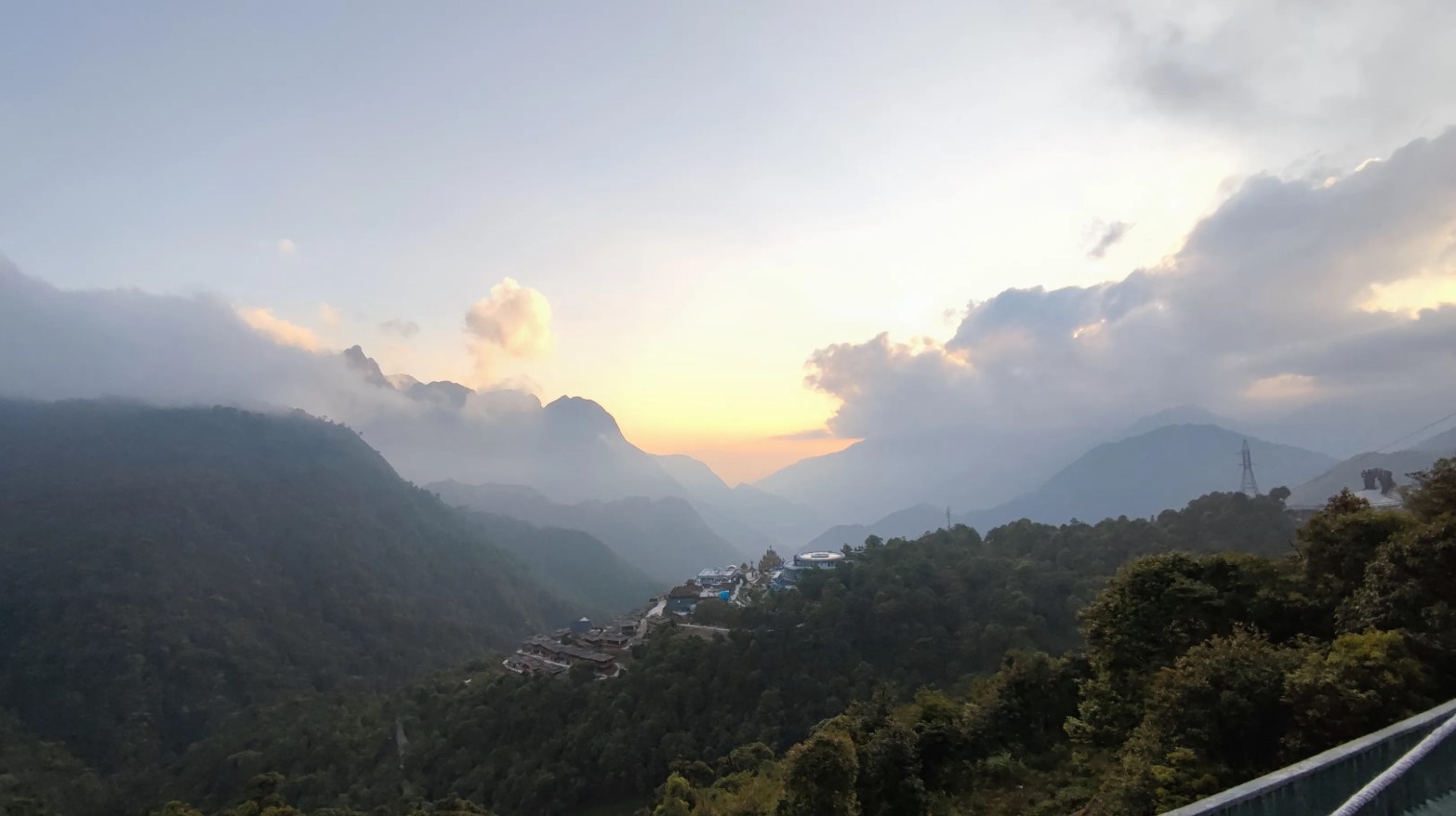
The name O Quy Ho is also associated with the legend of the roaring bird in the Northwest mountains and forests, telling the unfinished love story of a couple. It is this mysterious beauty that makes the pass a special destination for those who love to explore.
From Sa Pa, visitors can conquer the pass through winding curves along the mountainside. Standing from the first curves, you can see the winding road between the sea of clouds and overlapping mountains stretching to the horizon.
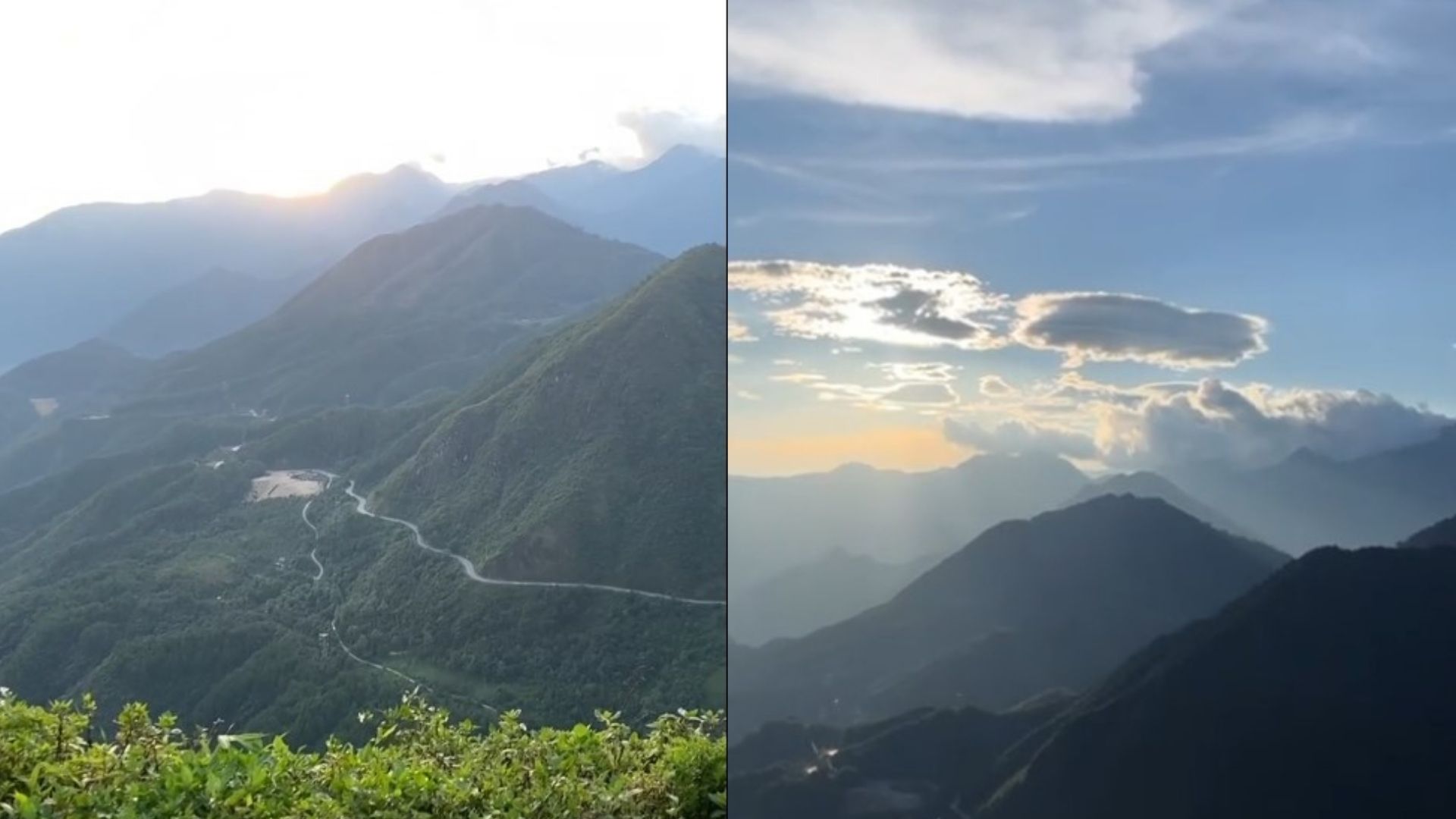
On sunny days, the pass peak becomes a famous cloud hunting spot in the Northwest. Early in the morning, white clouds cover the valley like a floating river between mountains. In the late afternoon, the sunset dyes the mountainsides yellow, creating a scene that many tourists are fascinated by.
According to Linh Phuong (26 years old, Hanoi), the sunset moment on the pass leaves many unforgettable emotions. "The sunlight is like dancing in the mountains and sky and I also want to immerse myself in that moment. A cool sunset in the middle of summer makes me remember forever," Phuong shared.
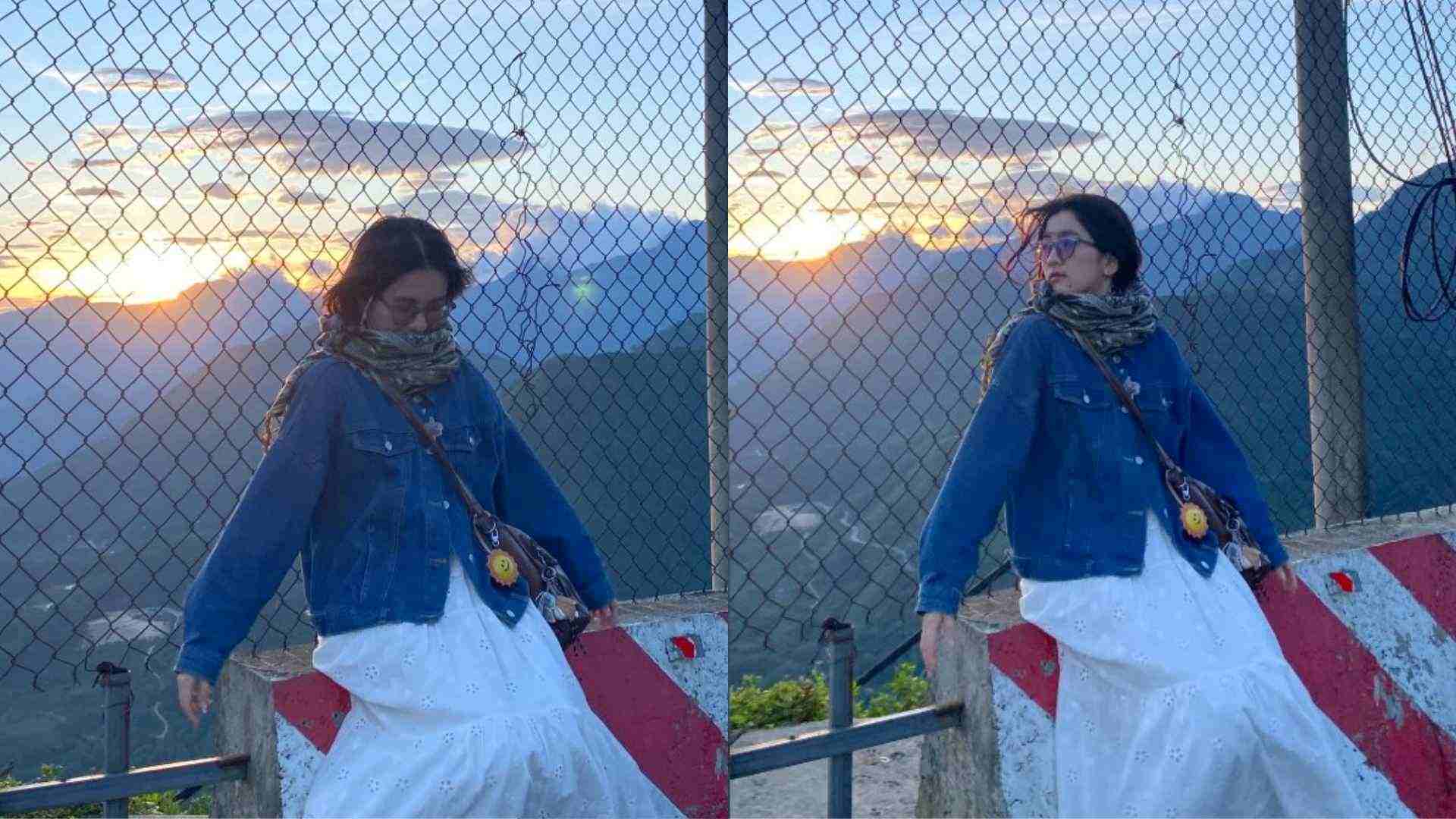
Not only attracting young people, O Quy Ho is also a familiar destination for many photographers because the natural scenery changes continuously according to the weather and time of day. From dawn, sea of clouds to moonlit nights covering mountains and forests, every moment here has its own beauty.
One of the most prominent check-in points currently on the top of the pass is Rong May Glass Bridge, located at an altitude of about 2,200m. The project impresses with a 300m high mountain-crossing glass elevator system, taking visitors to admire the panoramic view of the Northwest for just a few minutes.
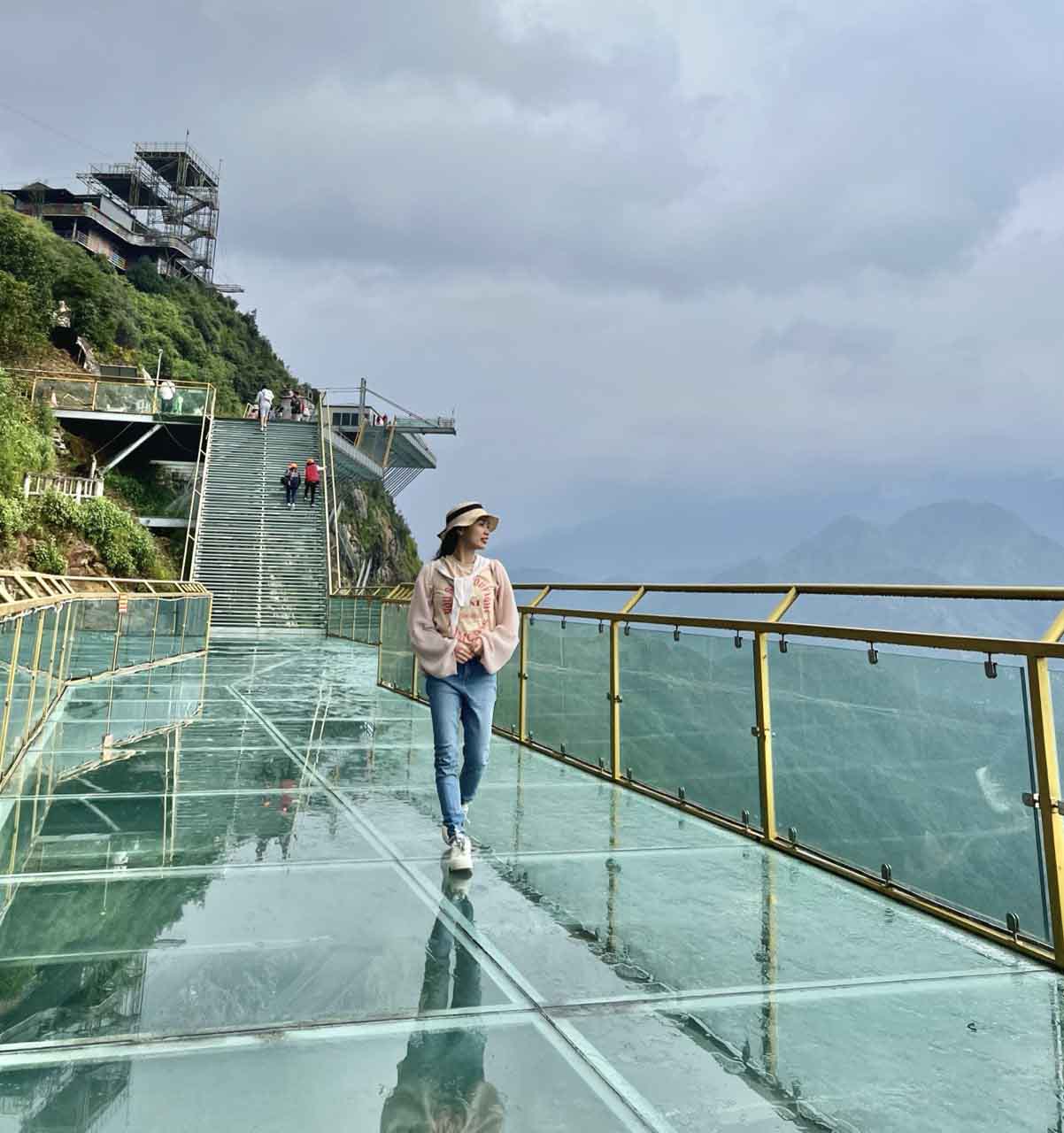
The glass bridge extends out of the cliff, allowing visitors to experience the feeling of standing in the middle of the sky with the deep abyss below. On cloudy days, the whole bridge seems to float in the white sea of clouds.
In addition to sightseeing, the tourist area also has many adventurous games such as cable cycling, Bungee jumping, Zipline or dugout canoe for tourists who like thrills.
Besides experiencing exploration, many tourists also like to stop at small shops on the top of the pass to enjoy hot grilled food such as bamboo rice, skewers, chestnuts or grilled eggs in the typical chilly weather of the highlands.
According to the experience of many people, the best time to explore O Quy Ho is early morning or late afternoon, when the sky is clear and there is little fog. Visitors should prepare slipperproof shoes, warm coats and carefully check their vehicles because some sections of the pass still have the risk of landslides in the rainy season.
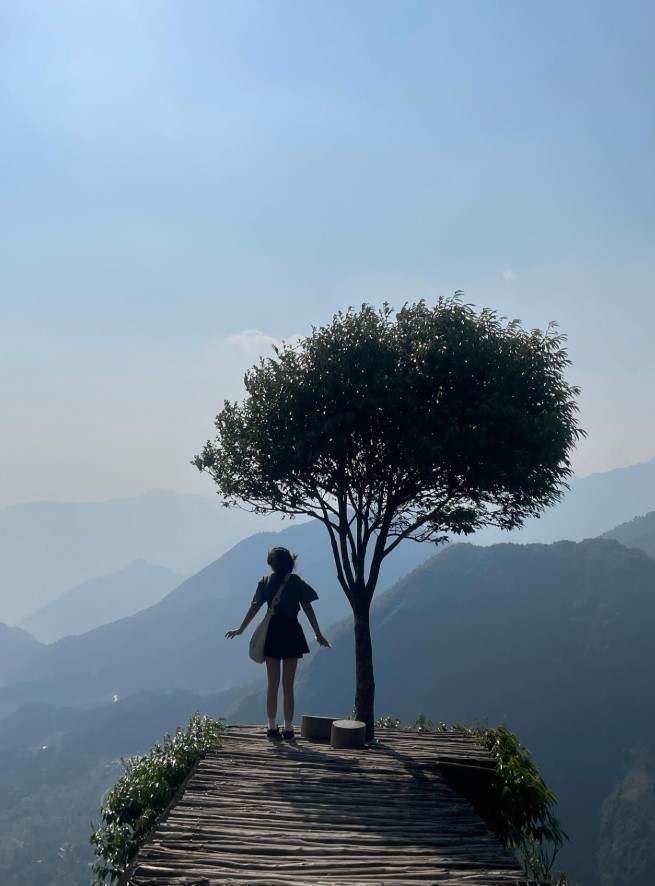
With its pristine beauty, the floating sea of clouds at O Quy Ho Pass continues to be one of the most attractive destinations for tourists when exploring the Northwest.


