Chinese tourism explodes with visitors exploring the ancient Silk Road

Ngọc Khuê |

The ancient city of Dunhuang, China recorded a sharp increase in visitors before the holidays, exploring unique heritage and culture on the Silk Road.

Before the Mid-Autumn Festival and National Day holiday in China, the cultural tourism market in Dunhuang city, Gansu province is heating up every day as the number of visitors flocking to visit increases dramatically.

Tourists from all over come to Don Hoang ancient citadel to immerse themselves in the majestic desert scenery, admire the ancient beauty of Mac Cao cave, explore Minh Sa Son sand dunes and visit the ancient gateway relic Ngoc Mon Quan. Here, visitors can fully experience the space imbued with history and the cultural attraction of thousands of years left on the Silk Road.
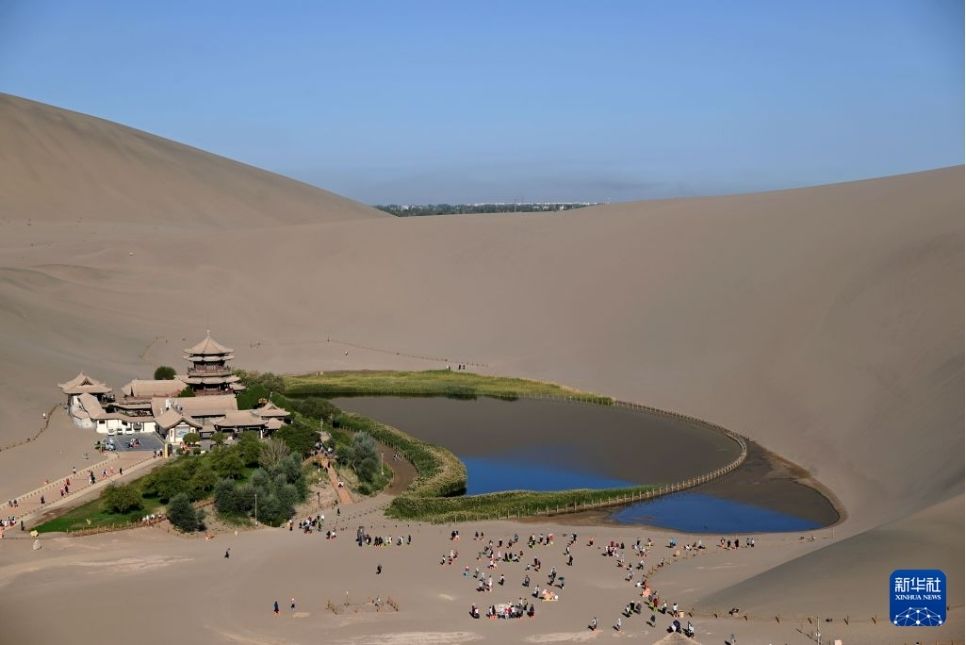
Khu thắng cảnh đồi cát Minh Sa và suối Trăng Khuyết ở thành phố Đôn Hoàng, tỉnh Cam Túc (Trung Quốc) thu hút đông đảo khách tham quan trong ngày 19.9. Ảnh: Xinhua
The Minh Sa sand dune and Moon Khuyet stream scenic area in Dunhuang city, Gansu province (China) attracted a large number of visitors on September 19. Photo: Xinhua
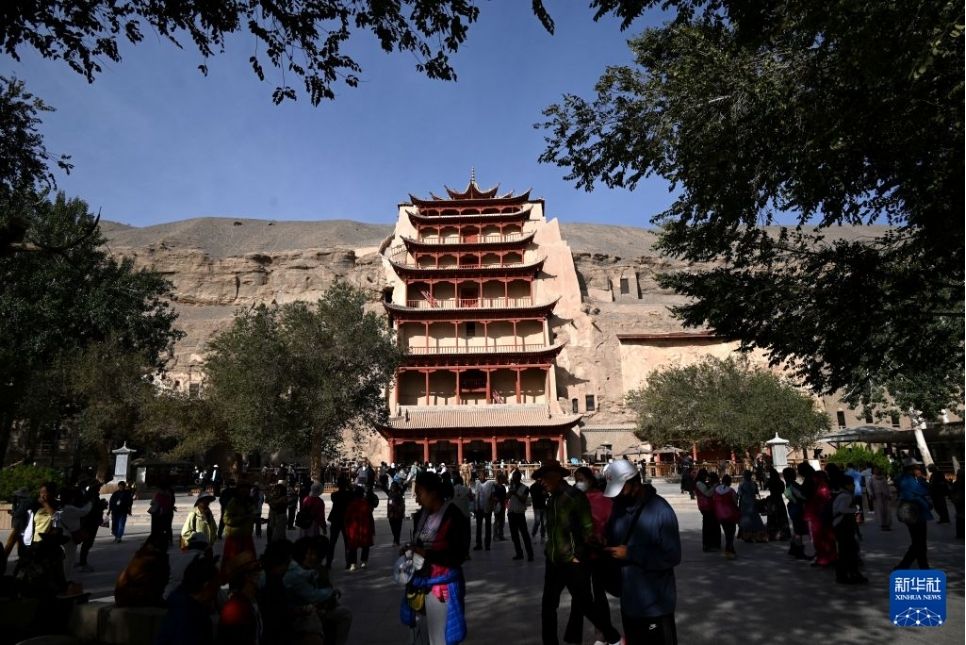
Quần thể hang động Mạc Cao mang vẻ đẹp cổ kính, đậm văn hoá Trung Quốc. Ảnh: Xinhua phát ngày 20.9
Mac Cao cave complex has an ancient beauty, imbued with Chinese culture. Photo: Xinhua broadcast on September 20.

One of the stops attracting special attention this fall is the Huyen Tuyen Dich site located in the vast Gobi desert. At the Huyen Tuyen Dich Site Museum, many tourists came to visit and learn about the largest ancient epidemic station in the Han Dynasty, which once played a vital role connecting the Central Plains and the Western Region.

Established by the Western Han Dynasty more than 2,000 years ago and operating continuously until the Wei - Jin Dynasties, Xuanquan Yi is the most intact post office relic of the Han Dynasty in China and the only ancient post office on the Silk Road systematically excavated. In 2014, UNESCO honored this place as part of the World Heritage Site belonging to the Chang'an - Tianshan corridor network.
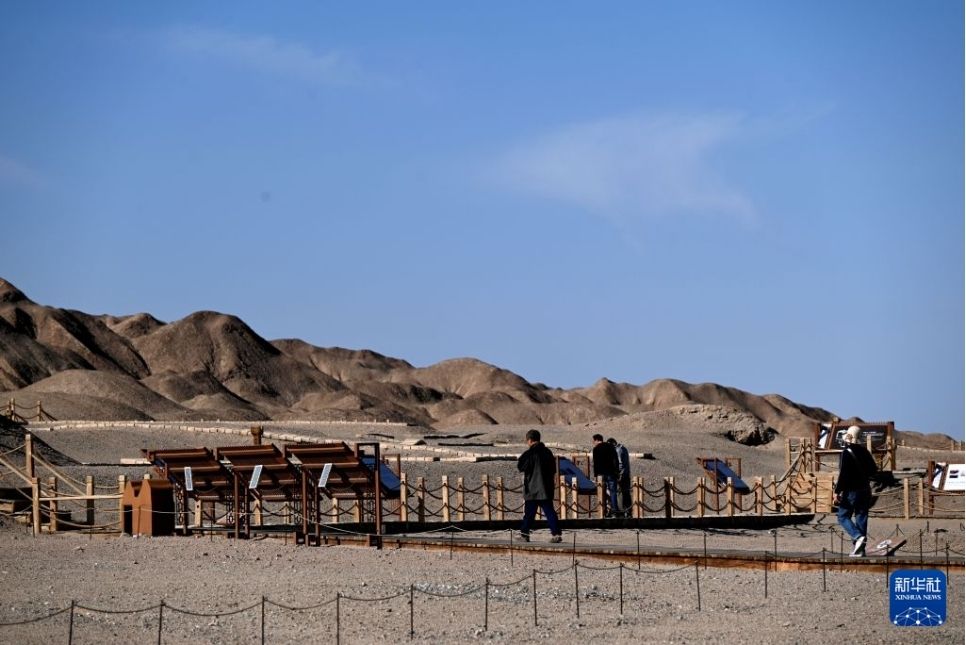
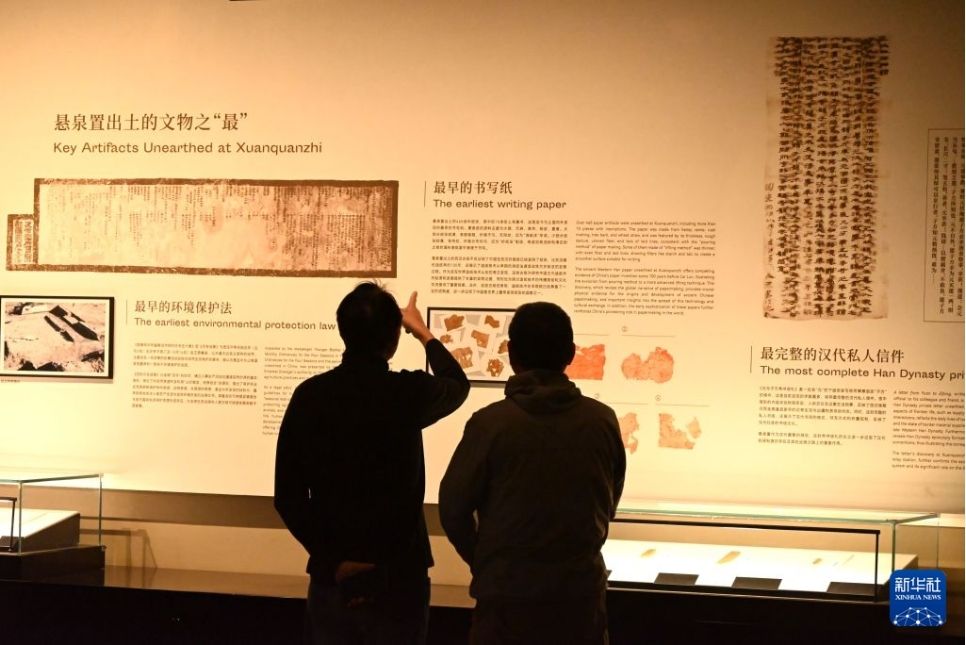
Du khách trong và ngoài nước khám phá không gian trạm dịch cổ hơn 2.000 năm tuổi của Trung Quốc tại Khu di tích Huyền Tuyền Dịch. Ảnh: Xinhua phát ngày 20.9
Domestic and foreign tourists explore the space of China's ancient epidemic station, over 2,000 years old, at Xuanquan Yi Relic Site. Photo: Xinhua broadcast on September 20.

The harmonious combination of archaeological heritage conservation and modern display space at Dunhuang continues to create irresistible attraction, making the golden sand region a bright spot on the Chinese heritage tourism map this fall.

Ngọc Khuê
TIN LIÊN QUAN

UNESCO's first world tea heritage site in China bustlingly welcomes visitors

|

The ancient tea forest cultural landscape on Canh Mai mountain in Yunnan province (China) is attracting a large number of tourists thanks to the autumn scenery and unique tea identity.

To he craft village in China achieves revenue of nearly 50 million yuan

|

The thousand-year-old clay sculpture heritage helps a village in Henan province (China) sell more than 20 million products and generate revenue of nearly 50 million yuan each year.

Nearly 24 million international visitors to China without visas

|

Besides heritage, Chinese tourism is attracting international visitors thanks to deep exploration journeys, combined with technology and open visa policies.

UNESCO's first world tea heritage site in China bustlingly welcomes visitors

Ngọc Khuê |

The ancient tea forest cultural landscape on Canh Mai mountain in Yunnan province (China) is attracting a large number of tourists thanks to the autumn scenery and unique tea identity.

To he craft village in China achieves revenue of nearly 50 million yuan

Ngọc Khuê |

The thousand-year-old clay sculpture heritage helps a village in Henan province (China) sell more than 20 million products and generate revenue of nearly 50 million yuan each year.

Nearly 24 million international visitors to China without visas

Ngọc Khuê |

Besides heritage, Chinese tourism is attracting international visitors thanks to deep exploration journeys, combined with technology and open visa policies.