
The Chinese tourism market is witnessing a clear shift in the way each locality exploits its own characteristics. New breakthrough approaches are strongly attracting young tourists and stimulating sustainable consumption.
In Liba County of Guizhou Province, which possesses a unique karst terrain, new products are continuously added to rejuvenate Xiaoshi Kong scenic spot. This destination attracts visitors thanks to realistic Xianxia ballet performances and interactive puzzle activities with simulated characters.
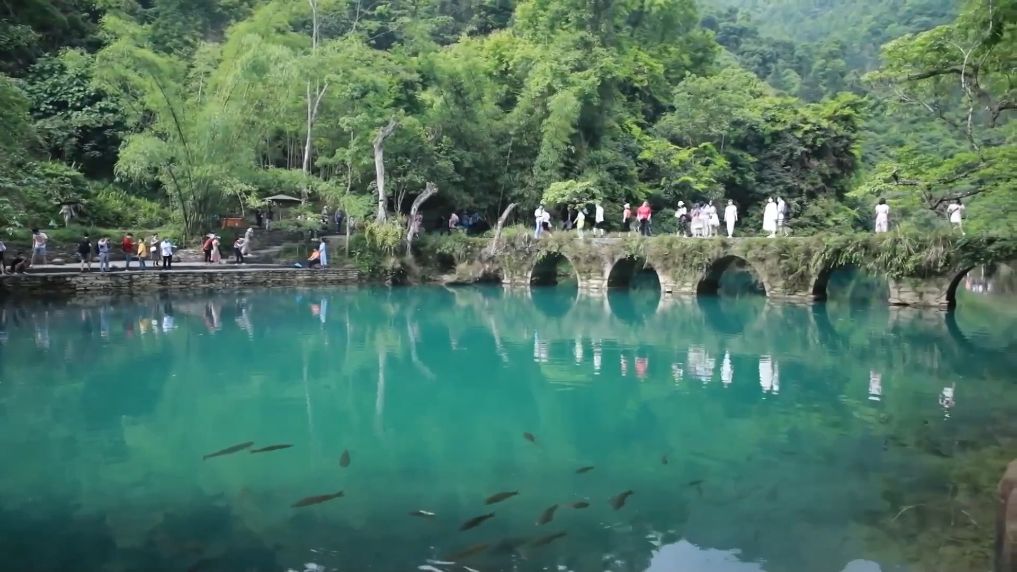
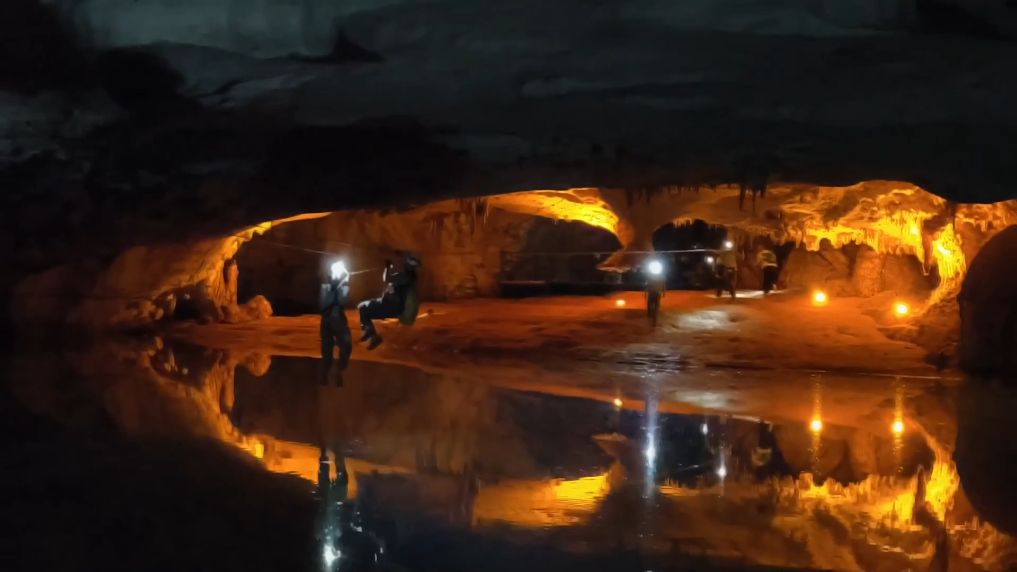
The ancient town of Le Ba also developed strongly economically last night with folk performances combined with enjoying local cuisine. In addition, Cool Play Forest park in Le Ba has transformed the complex cave terrain into an adventurous rendezvous with experiences of eating hotpot hanging on cliffs, ziplining, jumping off cliffs and exploring the underground.
As of the end of August this year, Le Ba has welcomed more than 4.62 million visitors during the summer, of which outbound visitors accounted for 92.65%.
Meanwhile, the coastal city of Qingdao in Shandong province has successfully exploited the direction of reviving industrial heritage from the hundred-year-old brewery. Not simply visiting the production line, the Qingdao Beer Museum has built an experience complex combining role-playing entertainment and culinary consumption. This model is also expanded by beer festivals on yachts.
The brand's spread has brought the Qingdao Beer Festival event to cover nearly 100 cities across China, affirming the sustainable value of linking local brand heritage with modern entertainment forms.

The shift from traditional sightseeing to indigenous, deep interactive experience models is reshaping the face of China's tourism industry. Focusing on differentiation helps localities not only enhance destination recognition but also create a continuous consumption chain, making tourism culture a driving force for long-term economic growth.


