
From a letter to a three-decade journey
In 1990, a letter was sent from the United Kingdom to three Southeast Asian countries with the desire to ask for permission to survey the cave. Only Vietnam responded.
That seemingly simple decision opened up a journey of more than 30 years for Mr. Howard Limbert and Ms. Debora Claire Limbert (United Kingdom) and their colleagues.
According to Mr. Howard Limbert, in the early days of coming to Vietnam, the group cooperated with the University of Science (Vietnam National University, Hanoi), where geologists helped identify areas with cave potential.
Without that support, our journey would not have been able to begin," he said.
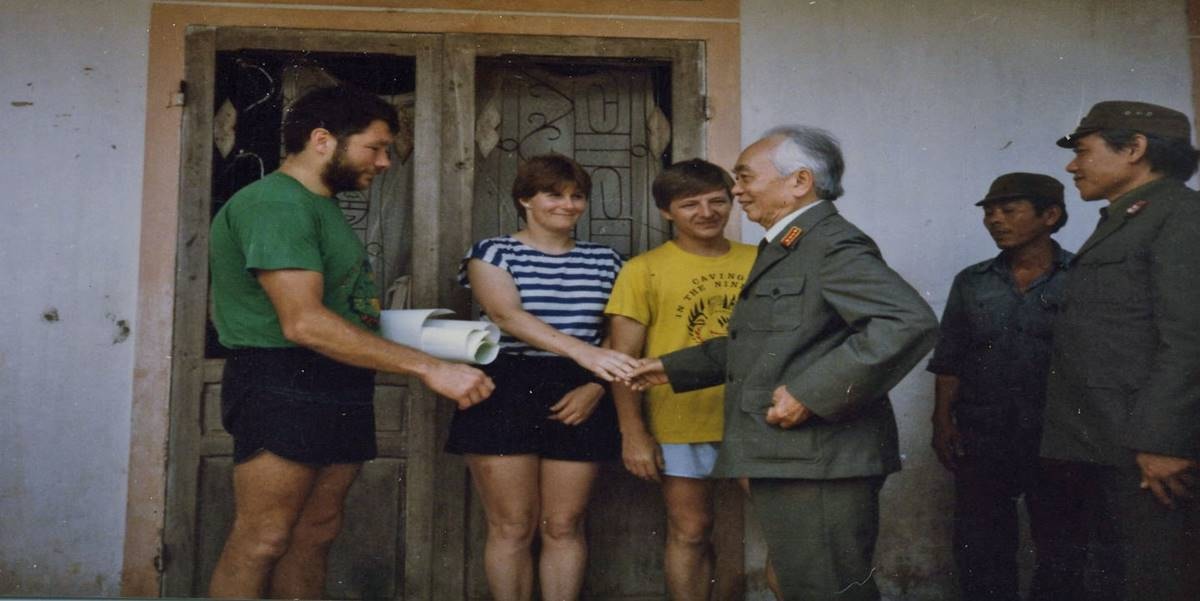
From the first survey trips, the group realized that the cave system in Vietnam has special value, with a scale and structure that are among the rarest in the world. This is what made them return many times, gradually expanding their journey of exploration.
Among hundreds of caves surveyed, the Arch Cave system left many deep impressions. Part of this system is Paradise Cave, a cave discovered in 1992 and later became a famous tourist destination.
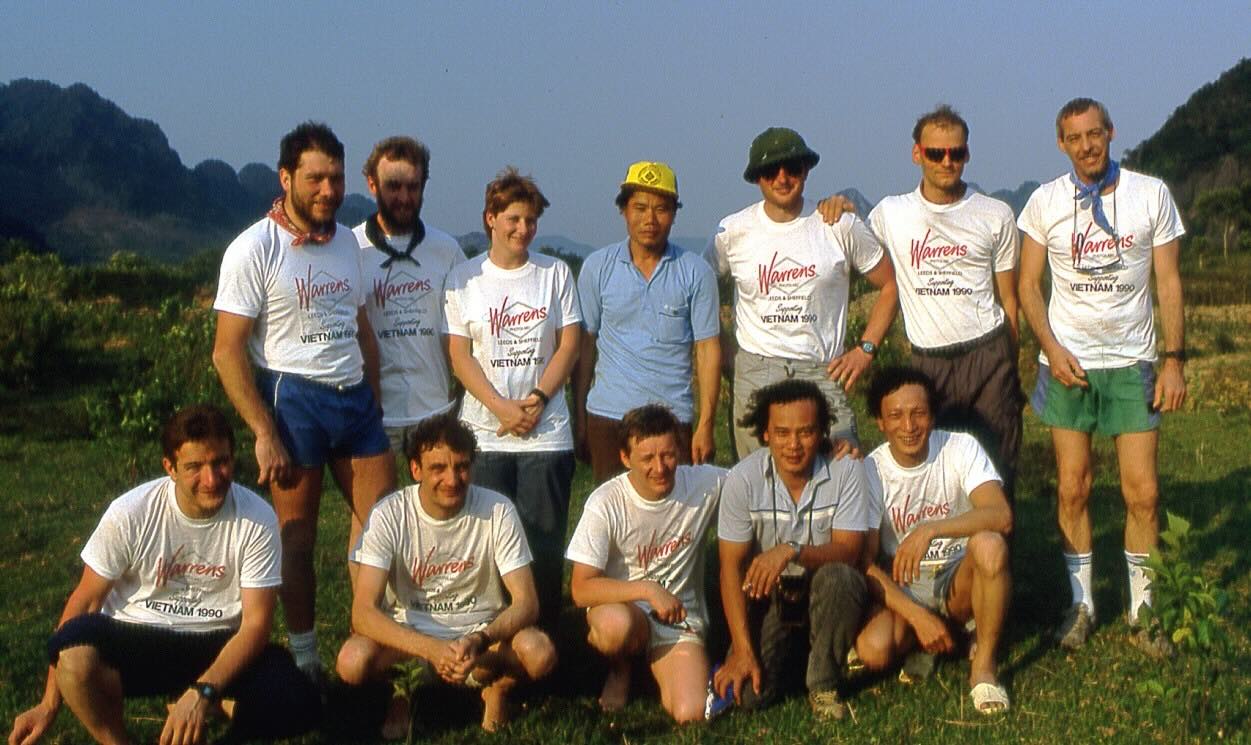
Mr. Howard Limbert said that in the early 1990s, access to caves was still very difficult. The group had to camp deep in the cave, moving through dangerous terrain, never with human footprints.
“These are very special experiences, when we both explored large caves and realized the scale beyond imagination,” he shared.
However, the exploration journey is not just about beauty. The group has faced risks many times, from encountering wild animals in the deep forest to incidents in caves.
The most memorable was once when two members were trapped by rising water, forcing the whole delegation to organize a 57-hour rescue. "When they got out safely, everyone was exhausted but relieved," he recounted.
To date, the group has discovered 472 caves in the Quang Tri area, along with more than 350 caves in many other provinces and cities. However, according to Mr. Howard Limbert, there are still many unexplored caves, especially in the Northern region.
Human journey and sustainable development
One of the important factors contributing to the success of the survey trips is the support of local people. Most caves are discovered by people first, even though they have not gone deep inside. "We cannot do anything without their support," Mr. Limbert affirmed.
In parallel with the survey work, the development of cave tourism is also focused on. Since 2011, the group has cooperated closely with Oxalis Adventure to train a team of guides, especially in safety and conservation. Currently, this unit creates jobs for more than 600 people, contributing to improving the lives of many local families.
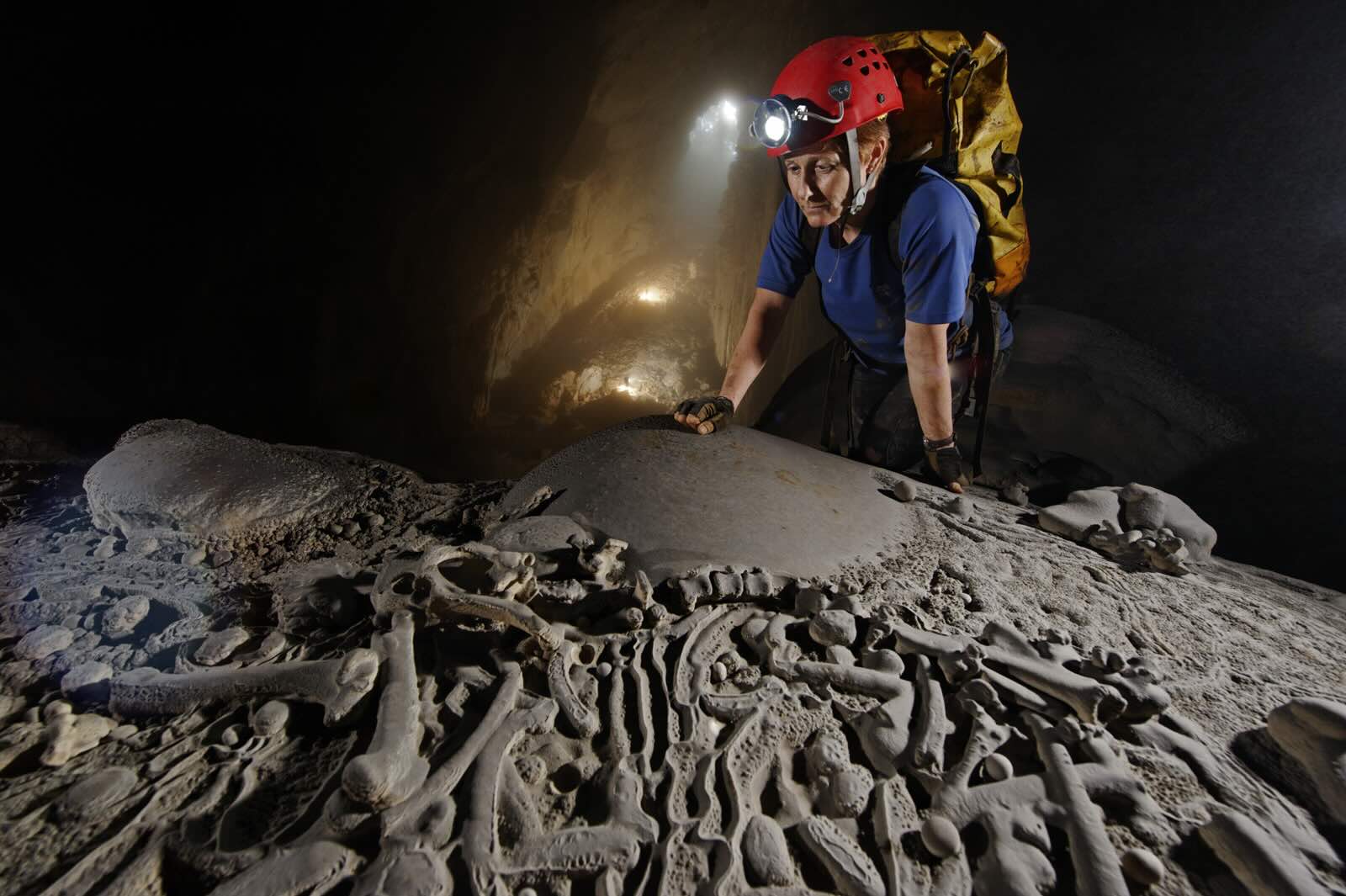
According to Mr. Limbert, the cave in Quang Tri is large-scale thanks to its unique geological conditions, with high-quality limestone and heavy rainfall.
However, to effectively exploit this potential, the locality needs to diversify tourism products, not only focusing on caves but also expanding to activities such as trekking and ecotourism.
In addition, transportation infrastructure, especially aviation, is still a factor that needs to be improved to attract more tourists. When these conditions are upgraded, the number of visitors to the area may increase sharply in the future.
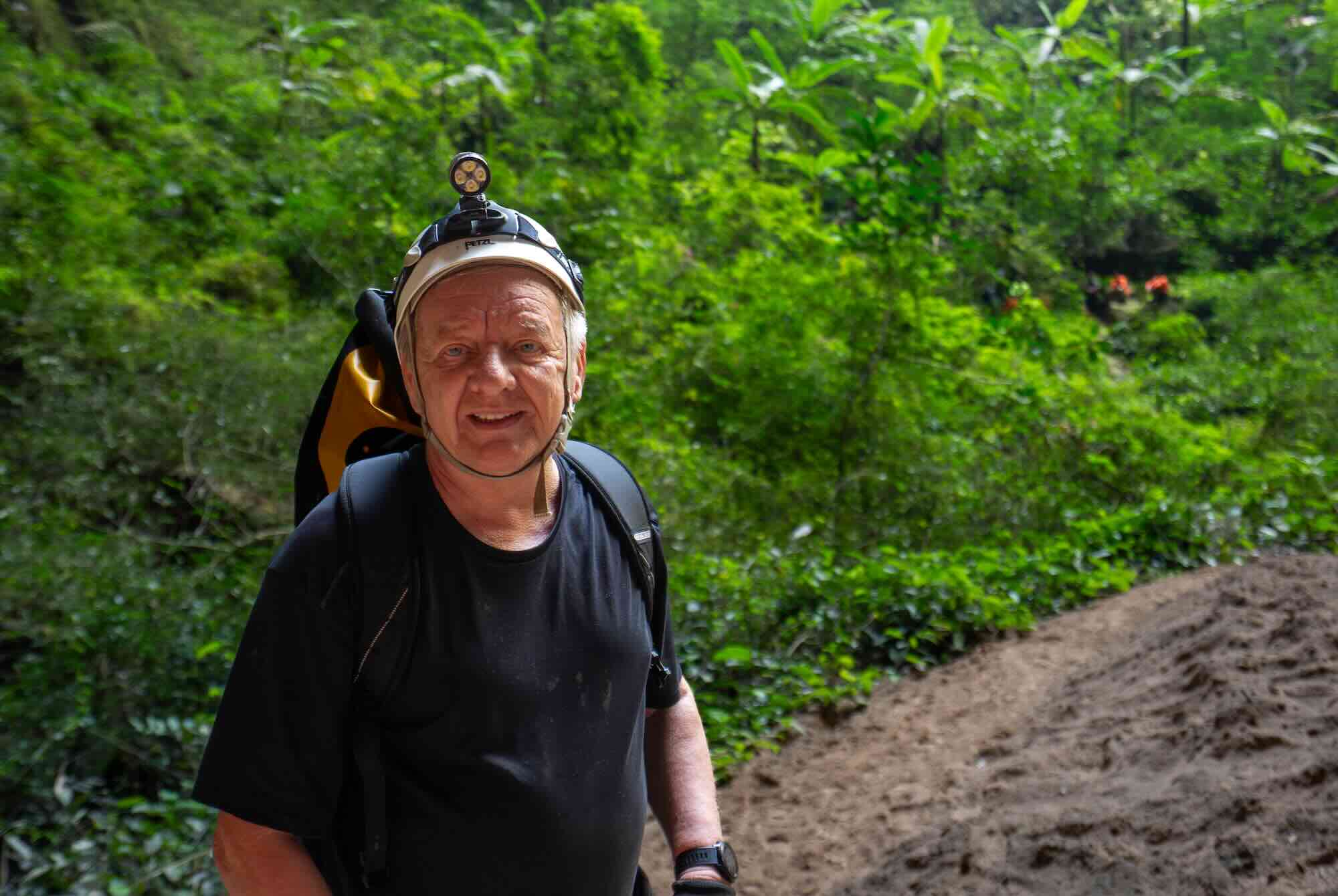
In particular, the issue of conservation is emphasized by experts. Caves are a very sensitive natural environment, easily affected if exploited uncontrollably. Limiting the number of visitors and raising environmental awareness are considered necessary solutions to ensure sustainable development.
Mr. Limbert also recalled that as early as 1992, General Vo Nguyen Giap emphasized the importance of nature conservation when meeting the expeditionary group. This view is still valid today.
After more than 30 years of attachment, what makes Limbert and his wife continue their journey is not only the passion for exploration, but also the Vietnamese people. "Vietnam has changed our lives," he said.
From deep caves underground, a journey has opened up, not only for science, but also for the development of an entire land.


