
Hollywood Village" in Vietnam
Only about 15km from the center of Hanoi, Tay Mo village (Tay Mo ward) is located interspersed with urban areas and high-rise buildings, but still retains the appearance of a traditional Northern village.
Not only carrying cultural and historical values, the village is also known by the nicknames "Hollywood village", "film studio village" because it is the setting for many films.
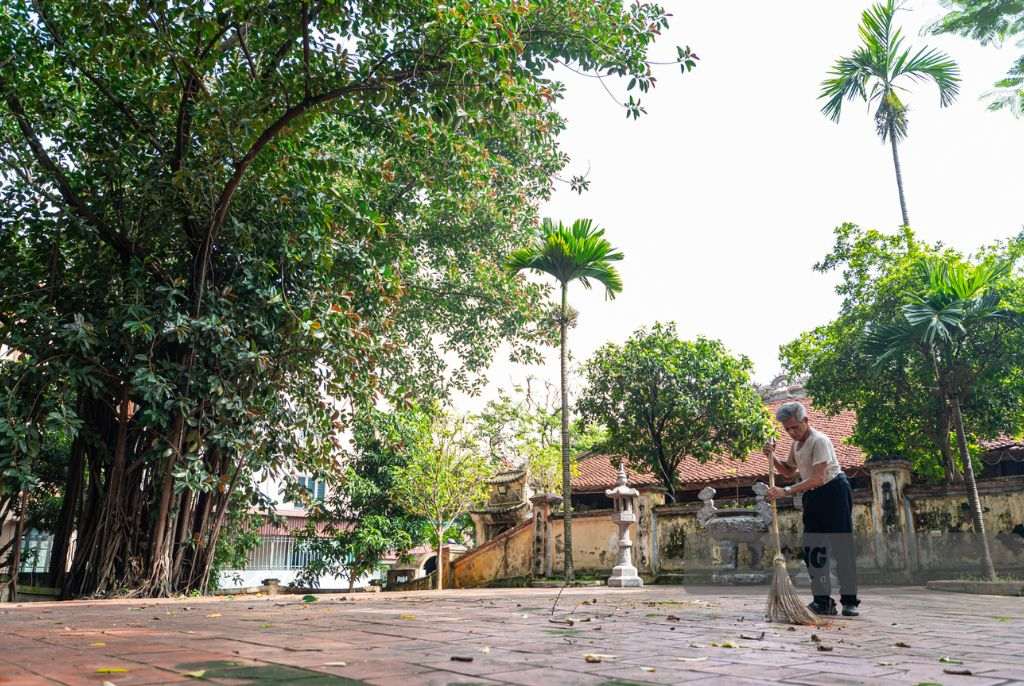
In 1998, filmmakers began to come to Tay Mo village to survey the setting. In 1999, the first film filmed here was named "The Cinematographer", opening the journey to make the village a familiar film studio of Vietnamese cinema and television.
Among them, the ancient house of Mr. Tran Dang Ninh's family (82 years old) is one of the most chosen settings by film crews.
This place has appeared in many works such as Birch Song, Open School Gate...
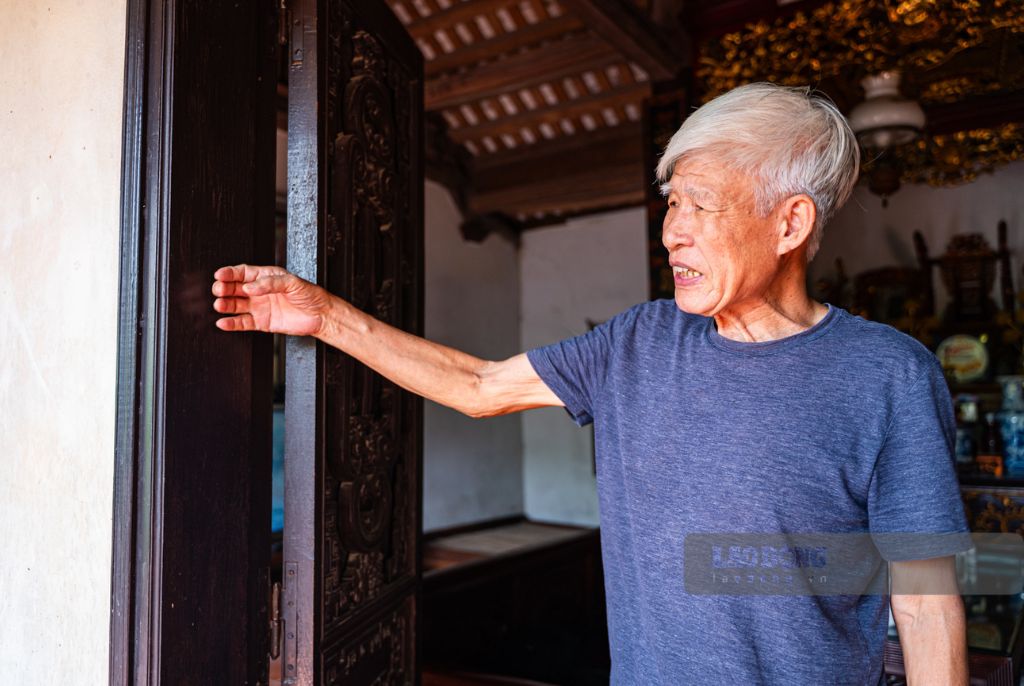
The house was built in 1937, with a main house area of about 110m2, including 5 compartments and 2 porches. The house uses a system of solid mahogany pillars and beams.
Inside the ancestral worship area, horizontal lacquered boards and parallel sentences are still preserved, with the desire to remind and teach children and grandchildren," Mr. Ninh shared.
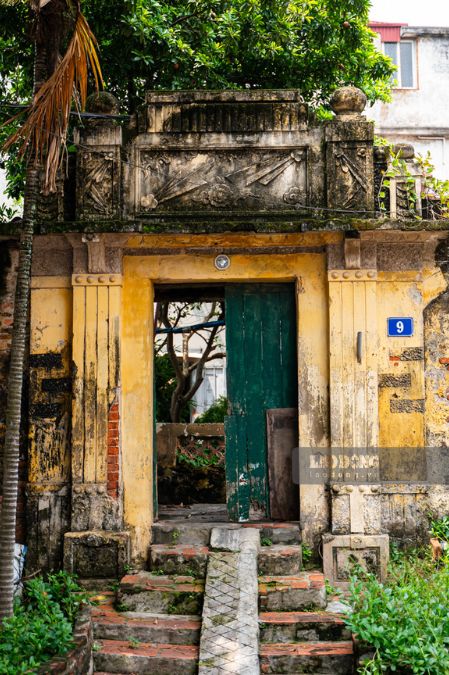
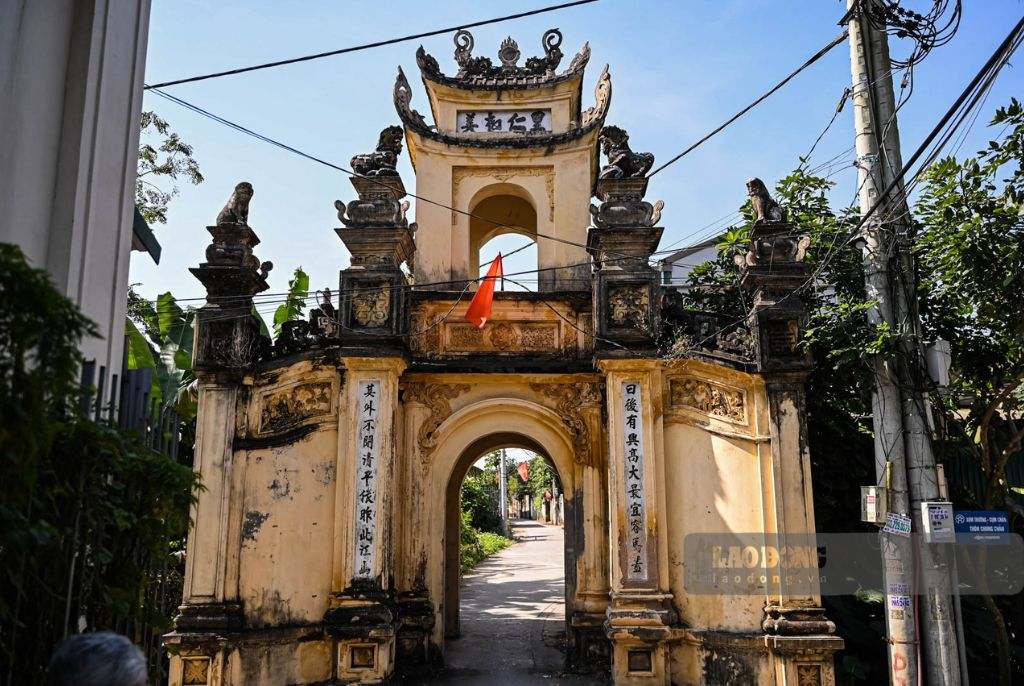
Currently, Tay Mo still preserves many historical and cultural works. Among them is Cong Phuong - ancient village gate hundreds of years old.
Tay Mo village communal house and Am temple are also two national-level architectural and artistic relics, ranked in 1992.
Kinh Ky Doctoral Village
Dong Ngac village (Dong Ngac ward), also known as Ke Ve, has long been famous as a studious land of Kinh Ky region.
The ancients once passed down the saying: "Kẻ Giàn land, Kẻ Vẽ mandarins" to praise the tradition of academics and the number of talents of the village.
According to the stele still preserved at the village communal house, Dong Ngac has 22 doctors, along with many detectives, mandarins, and bachelors who passed through feudal dynasties.
The imprint of a land of academics is also shown through the gates of houses and alleys bearing the image of pen and ink towers.
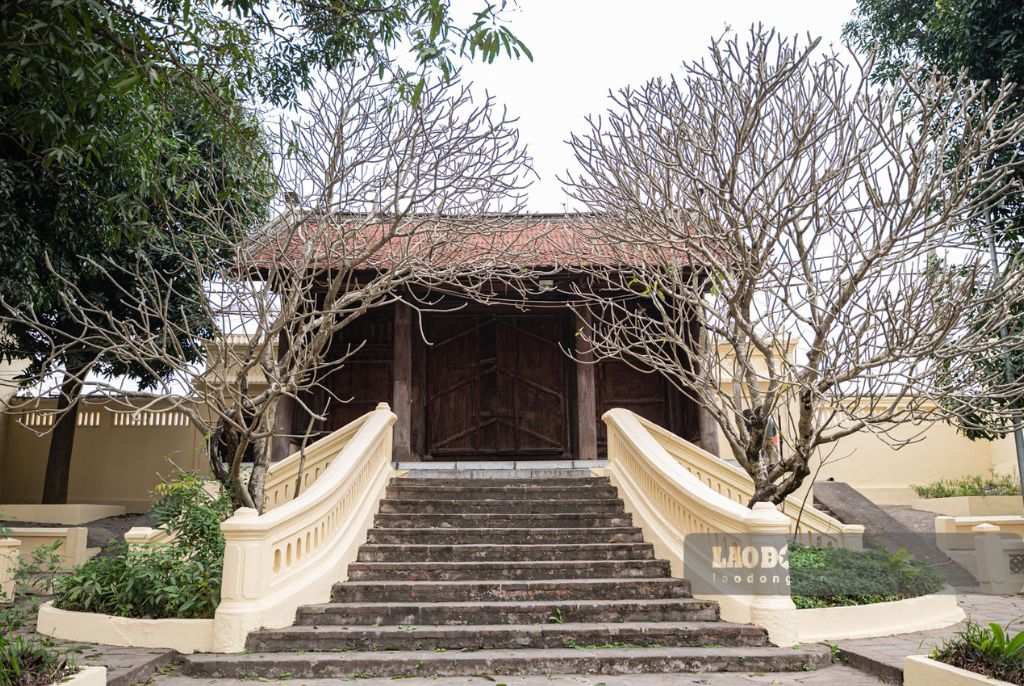
Not only famous for its tradition of studiousness, Dong Ngac also impresses with its unique village planning.
The alleys are arranged in the form of chessboards, connected to each other, so there are almost no dead ends. Each alley has a double gate system at both ends, creating a rare appearance.
The village has many ancient villas
Cuu village (Chuyen My commune) is more than 40 km south of the center of Hanoi. The village impresses with 2-3-story ancient villas, with French architectural style mixed with Vietnamese tradition.
Currently, although many buildings have deteriorated, this place evokes the prosperous period of a once famously wealthy village.
In the early 20th century, the people of Cuu village came to Hanoi to open large tailor shops in bustling commercial streets.
Shops specializing in tailoring suits and dresses in Western style to serve the upper class in both Hanoi and Saigon.
Thanks to the garment tailoring profession, trading in fabrics and garment materials, along with trading in wood and producing bricks and tiles, people quickly accumulated wealth. The 1930s-1940s period is considered the most prosperous period of the people of Cuu village.
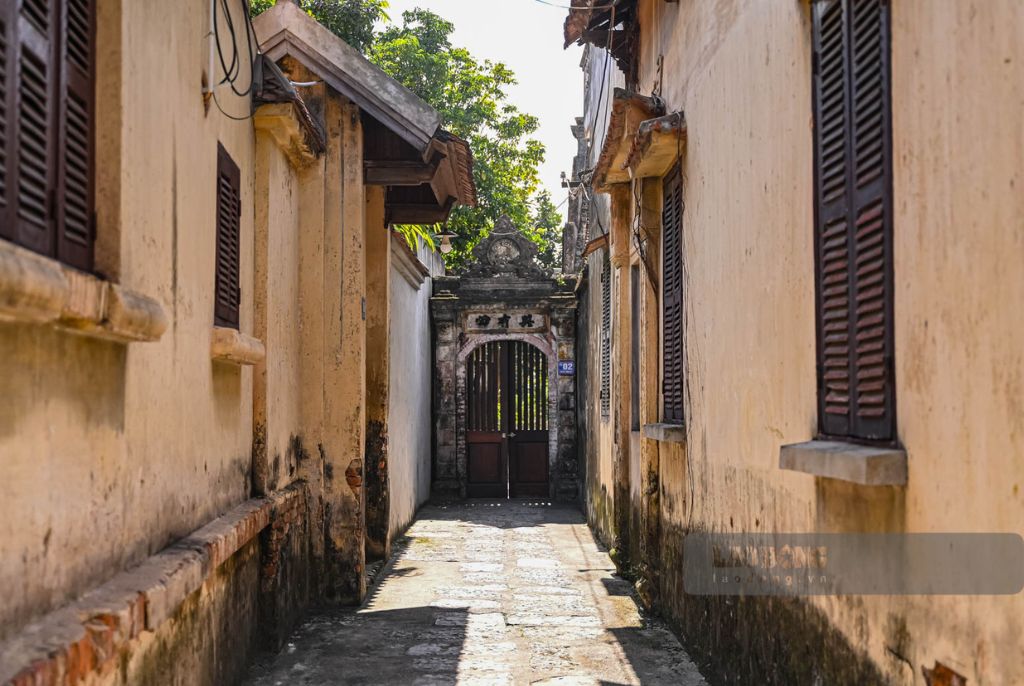
Today, rows of ancient villas with curved balconies, arched doors, iron railings and elaborate decorative motifs attract many photographers and architects to visit Cuu village.
The harmonious combination of Western architecture and Northern rural space has made this place likened by many to the "Western village of Ha Thanh land", different from many other traditional ancient villages.


