The season of phong hoa leaves in the ancient pagoda
Before entering the season of yellow maple leaves, the area around Thanh Mai pagoda (Nguyen Trai ward, Hai Phong) is rich in chestnuts. As the chestnut season passes, the lush green forest here is gently yellow under the sunlight. It was the maple leaf season in the mountainside of Thanh Mai Pagoda that began to change color, mixed with the bright red color of the fabric hills that began to grow young leaves. Also on this occasion, there are more pilgrims coming to Thanh Mai Pagoda to visit the scenery, climb the mountain to see the maple leaves and the reed grass on the top of the mountain.
Thanh Mai Pagoda was built during the Tran Dynasty (14th century), associated with the Second Ancestor of the Truc Lam Zen Group, the Phap Loa bulls. Currently, the pagoda still has a system of relics including 4 stone steles and 8 ancient towers built from the 14th - 18th centuries. geographically and historically, Thanh Mai Pagoda is a place in the system of pagodas belonging to the Truc Lam Yen Tu Zen sect.
After visiting and learning about the history of the pagoda, we officially started the mountain climbing journey to see the maple leaves and reed grass hills. The road was quite crowded with tourists, including many children. The temple is quiet below, while behind the mountain, there are laughter from those looking for the unique maple leaf season in all of Hai Phong, only here.
We each had a stick, packed our backpacks and started climbing step by step, the road was still very comfortable. Amidst the thick leaves and large wooden trunks of lim, cranberries, slices... I gradually saw the light yellow and orange leaves. The incense tree (the back tree) in the Thanh Mai pagoda area extends from the parking lot in front of the pagoda to the central area of Thanh Mai mountain, the average tree is about 30m high, including 3 thuses. Amidst the green leaf covering the golden winter sunlight, the maple leaves are orange-yellow on the edge of the leaves, sometimes with red leaves creating a miraculous beauty. Look at it! Following her call, I looked down at her feet, between the layers of dry leaves in the Thanh Mai pagoda area, the bright red color of fallen maple leaves was sparkling.
I enjoy bowing to pick up maple leaves and holding them in a cluster to lean under the sun. A bright red color shines, like the beauty of the maple forests I have seen on the small screen in Cao Bang and Son La provinces, then down to Quang Tri and Da Lat. But most closely, this red color is like the canopy in the schoolyard, on the streets of small villages, and in winter it is also red and burning in the cold wind.
The colder it gets, the yellower the leaves become. In front of me, visitors excitedly raised their phones and took photos with maple leaves. This area is about 200m from Thanh Mai Pagoda, with many maple trees around the large area, making it more comfortable for visitors to take photos and admire. "The brilliant yellow color of maple leaves stands out in the green forest. Even in Hai Phong, you can go see maple leaves, which is a very fun experience, said Ms. Kim Anh (Hai Duong ward, Hai Phong).
On the mountain climbing route to see maple leaves, the Con Son - Kiep Bac Relic Management Board has deployed a camping spot in the middle of the mountain to help visitors both admire the scenery of the maple forest in winter and learn about the Thanh Mai 2 archaeological area. The archaeological area has an area of 400m2, including a foundation system of 3 layers of architectural remains from the Tran Dynasty (14th century), Le Trung Hung (175th - 18th century), Nguyen (19th - 20th centuries) and over 1,000 relics. This is a valuable source of documents that contributed significantly to the process of building the Yen Tu - Vinh Nghiem - Con Son - Kiep Bac Monument and Scenic Landscape Complex dossier to be recognized by UNESCO as a World Cultural Heritage.
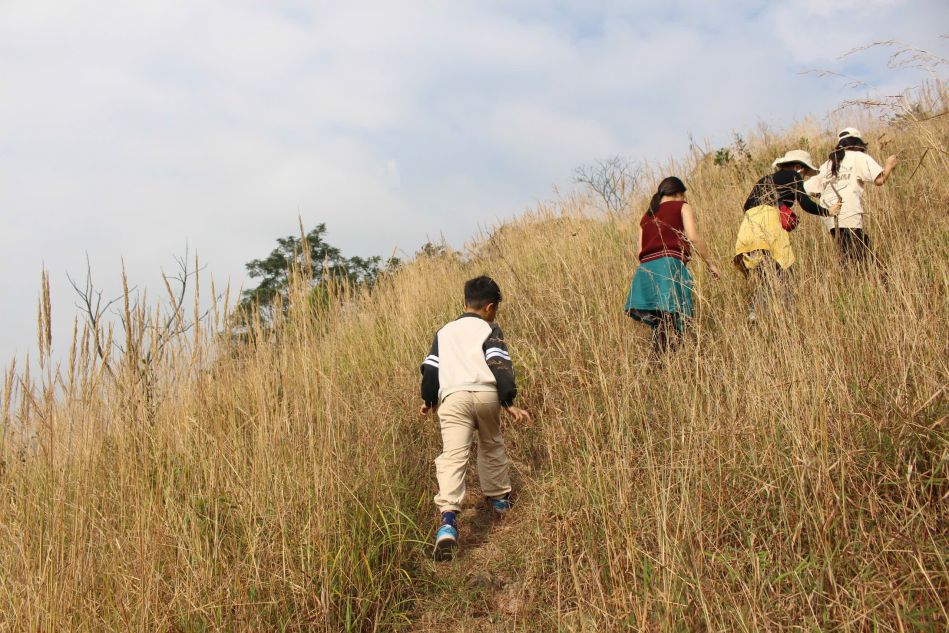
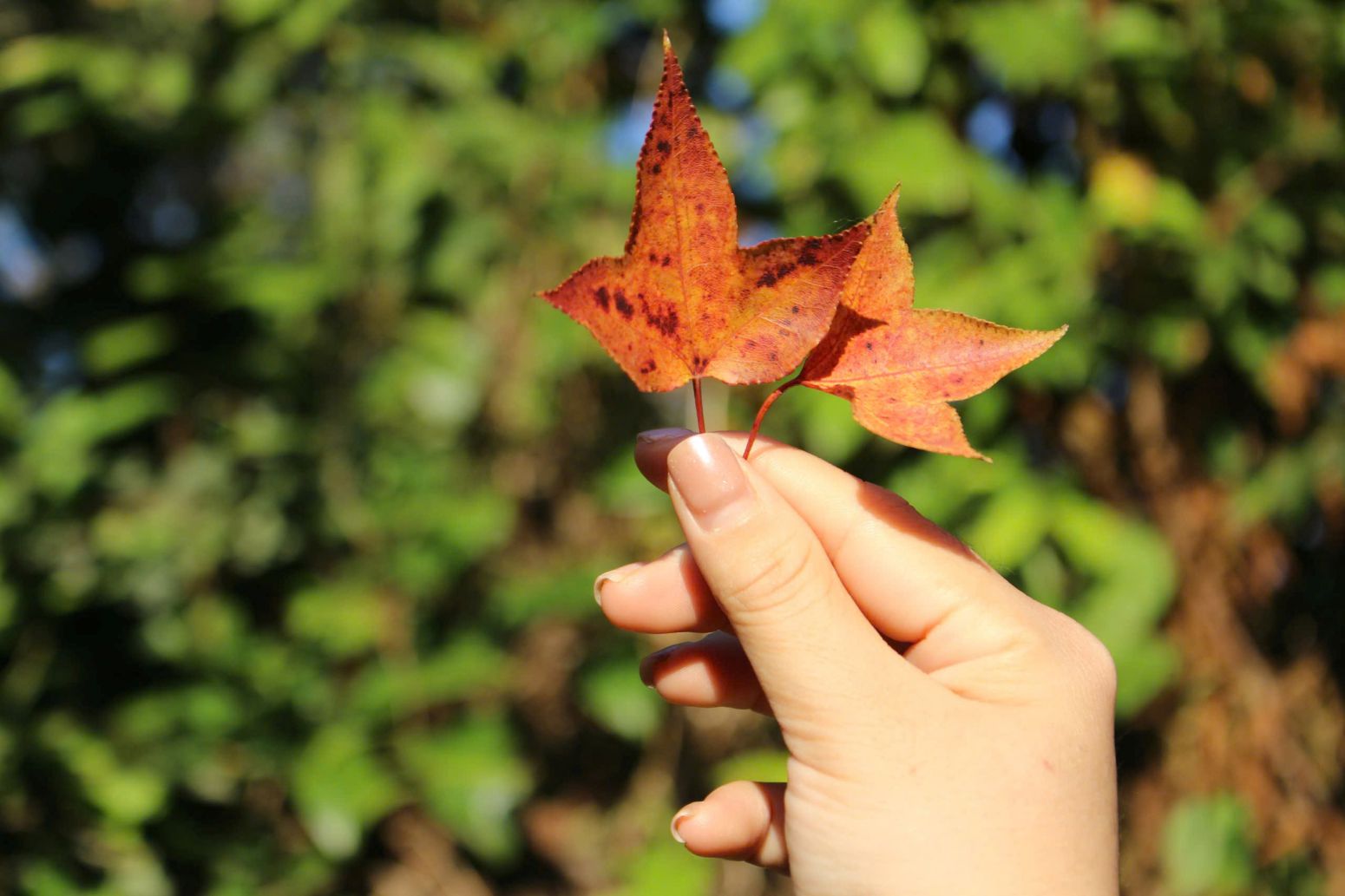
Coming to the top of Thanh Mai mountain amidst thousands of reed grass
Before rushing to camp, we continued to climb to the top of Thanh Mai mountain, which many tourists shared had a very large plowing beach with a panoramic view of the countryside below. The road is as high as it is, the smaller it is, the older it is, the older it is, the more the two sides are covered with sim trees, wild guava, and the more yellow phlegm is on the rows. Every time they pass through dry streams, there are fallen trees blocking the road, forcing people to climb, even squeeze through. When I lifted my head, I saw the sky more vastly, and the view from afar gradually appeared in my sight.
There were about 4-5 children ahead of me. On the layers of soil and rock, the children's feet still climbed quickly and steadily.
Ms. Nguyen Thi Nhan (38 years old, Hai Phong) said that 2 years ago, she also climbed the top of Thanh Mai mountain, at that time the road was not as easy to travel as it is now. "My children have climbed Ban Co Tien (Con Son - Kiep Bac relic) since they were 4 years old, this time climbing Thanh Mai mountain is not too difficult but also very exciting. This is also an activity to help children experience nature and exercise.
The road to Thanh Mai mountain peak is about 3km, the climbing time is more than 2 hours depending on tourists' vacation activities. On the top of the mountain, there are no longer any any any covered cao bong trees, thousands of years before their eyes are the golden reed fields, bloating in the windy sky. After a tiring journey, visitors lie on the lawns, enjoying the fresh air under the golden sunlight, with a vast, misty scene of mountain features from the top looking down.
The river from afar is like a thin layer of the sun, winding around the village. Is that Kinh Thay River - the river carrying a lot of alluvium in the song "Gai Dan Lang Ta" by poet Tran Dang Khoa? Perhaps not only seeing Kinh Thay River, the distance to visit the pagoda and see the maple leaves is a journey to help visitors learn about the ruins of the Truc Lam Yen Tu Zen sect, along with a view of the towering tops covering the land of Hai Phong with many historical - cultural relics: Con Son - Kiep Bac relic site, Chu Van An temple, Cao temple...