
In recent years, Giong Lon Pagoda (Wat Phno Don) in Dai An commune, Vinh Long province has become one of the famous tourist destinations, attracting tourists from near and far. The pagoda not only carries unique cultural and religious values but also possesses a rare natural ecosystem.
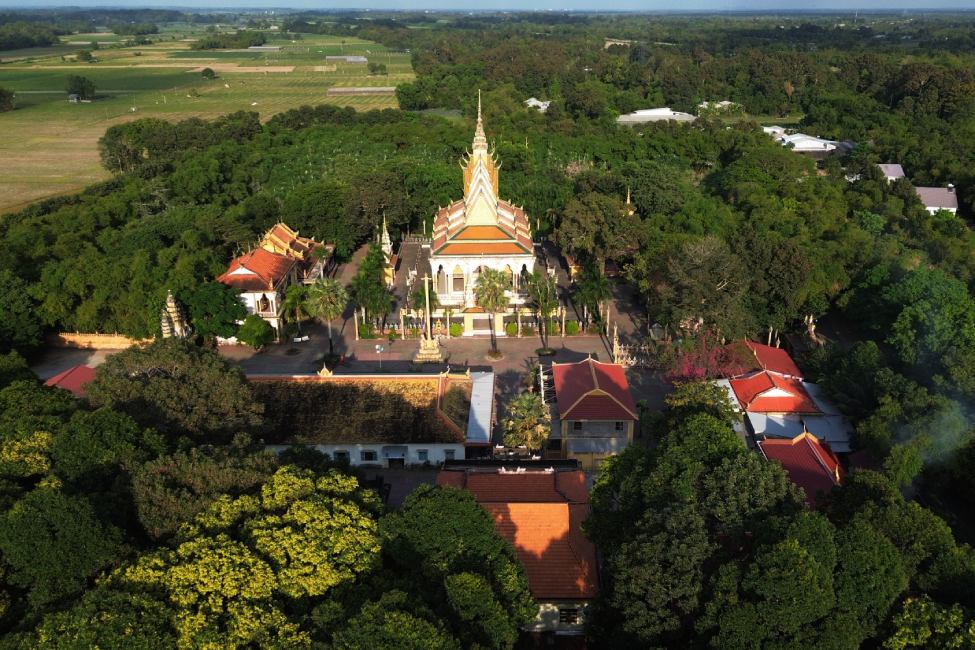
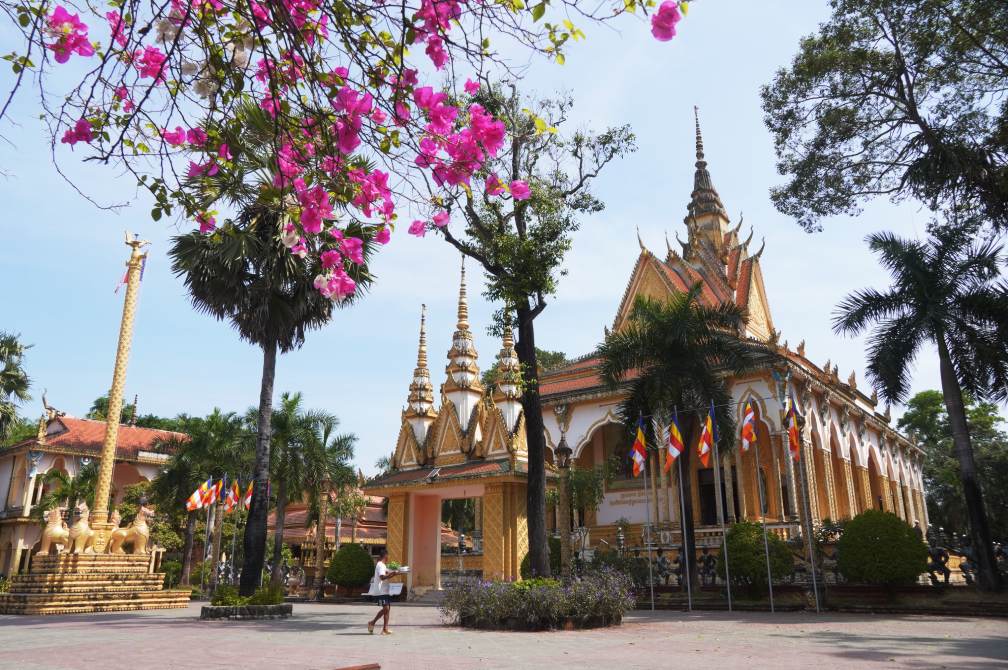
From the early 20th century, in the campus shaded by green trees of the pagoda, flocks of storks gathered, creating the familiar name Cho Pagoda. The easily noticeable difference compared to many other Khmer pagodas is that the main gate of the pagoda is located behind the main hall. This is an adaptation to natural geographical conditions, because according to Khmer Southern Buddhist beliefs, the main hall must always be facing east, while the front is a low-lying area, difficult to travel.
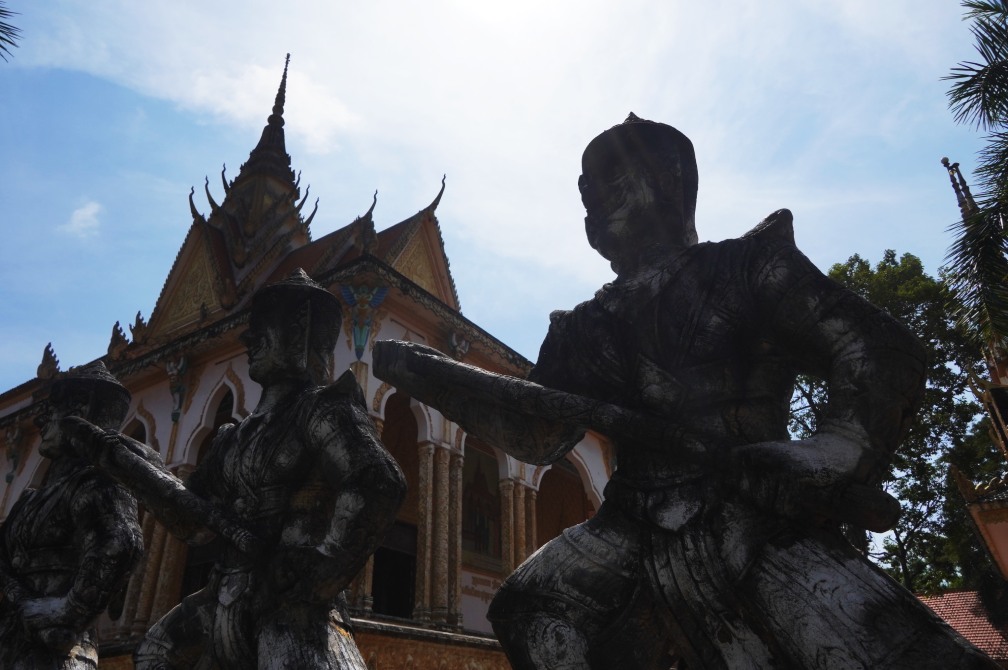
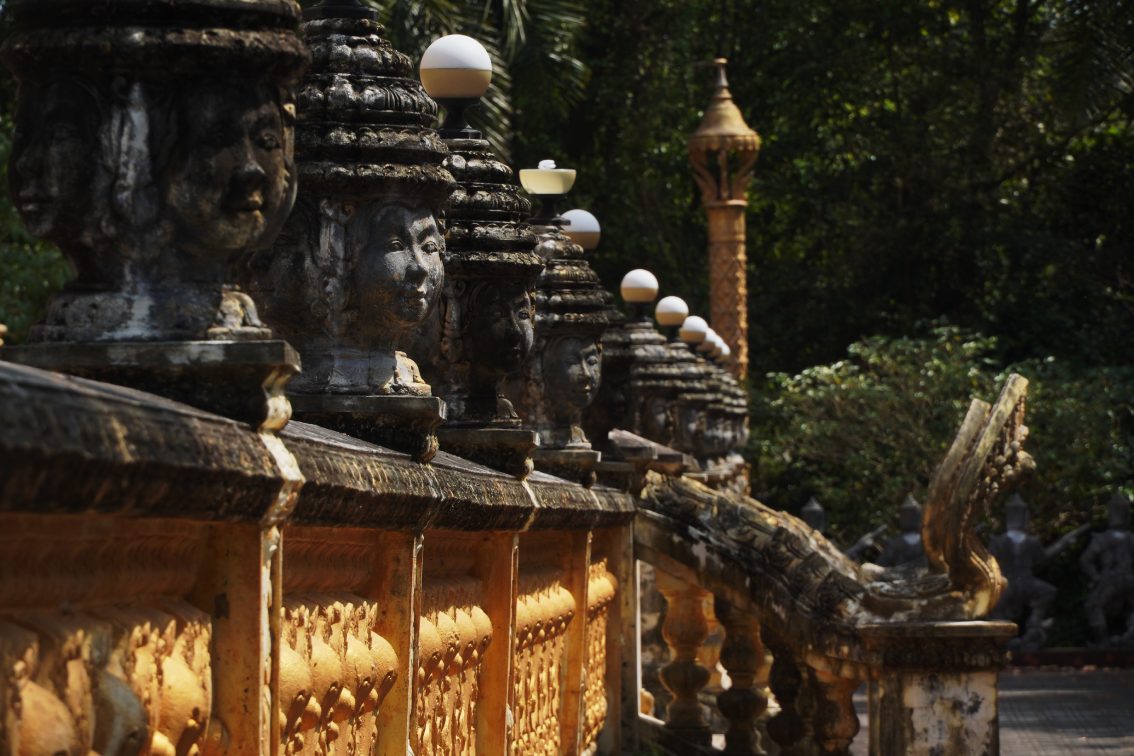
Giong Lon Pagoda has a long history and was built spaciously from the early decades of the 20th century. Over time, many items have deteriorated. In 2010, thanks to the dedication of a local businessman who started a business in Ho Chi Minh City, the pagoda was rebuilt as it is today. Although using modern materials, the main hall still retains the typical ancient architectural style of Khmer Buddhism. Works such as monks' quarters, assembly halls, lecture halls... are arranged north, facing the side of the main hall.
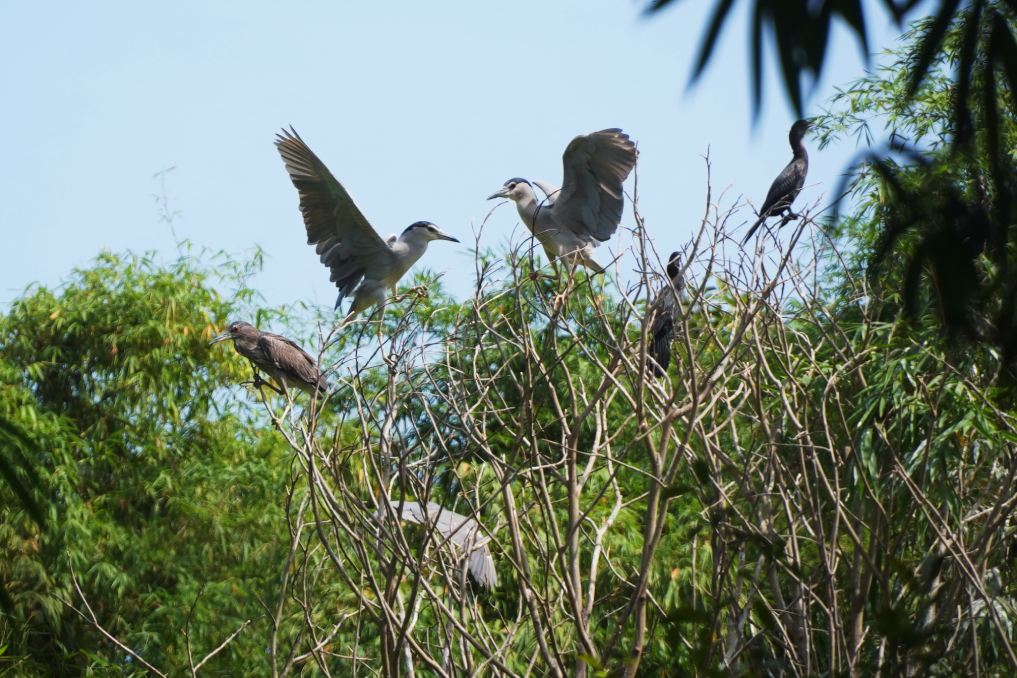
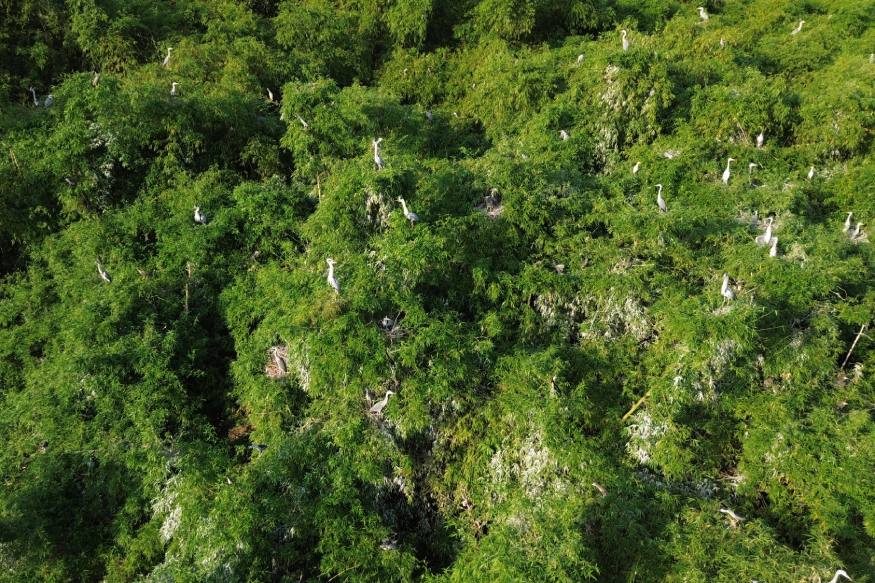
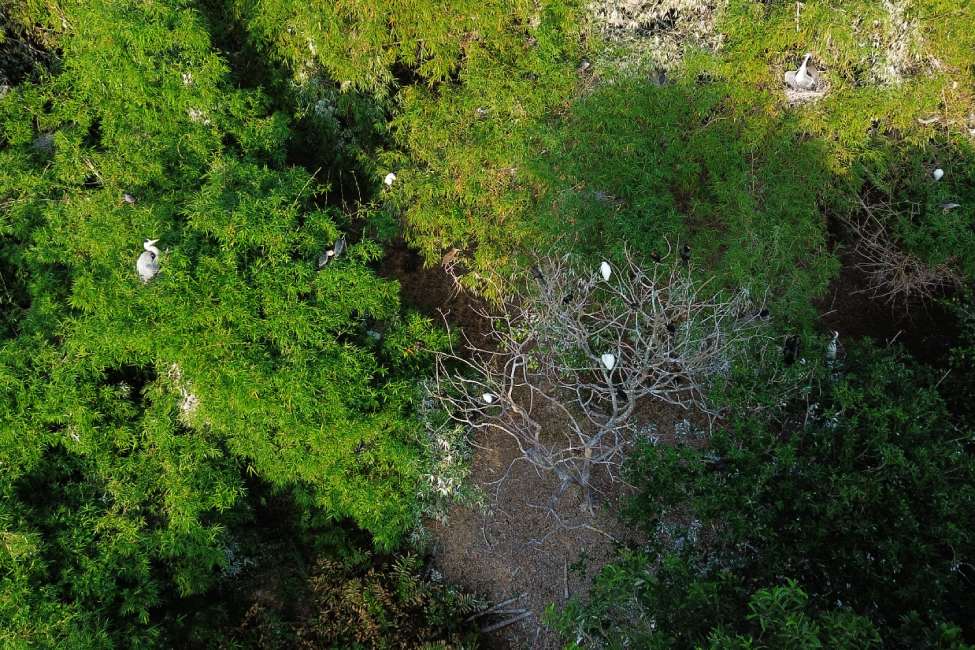
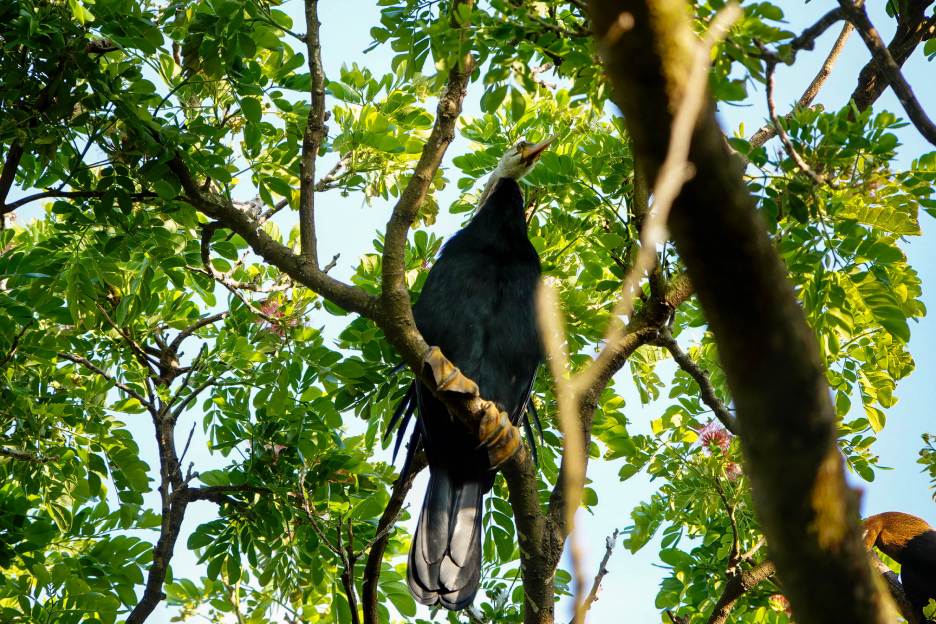
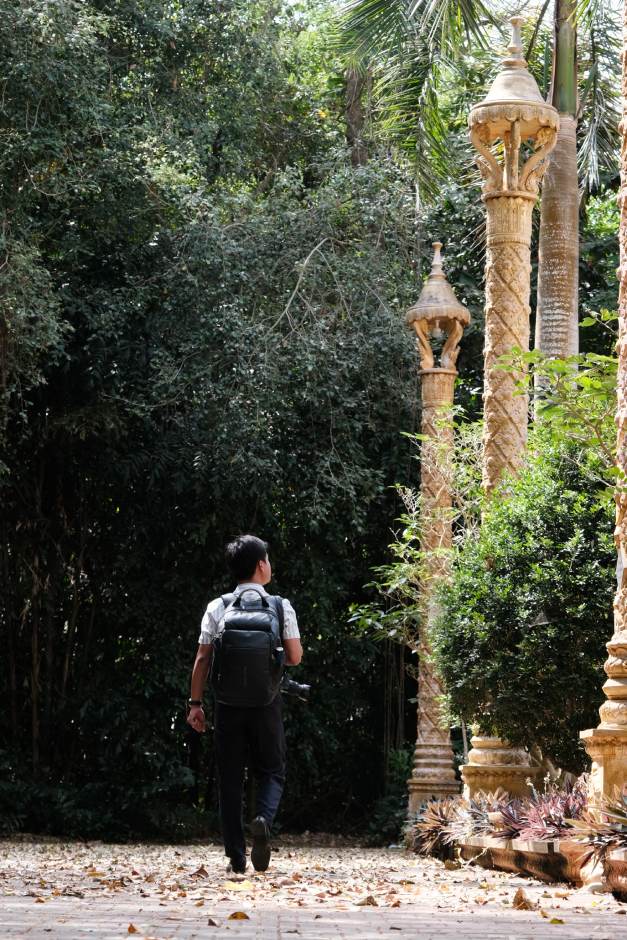
However, the most outstanding value of the pagoda is not only in architecture but also in the campus of more than 3 hectares with tens of thousands of white storks living there. As soon as you enter the campus, visitors cannot help but be surprised by the harmony between the majestic and brilliant appearance of the main hall and the vast green of the trees and leaves. The sound of "kooc, kooc" echoes day and night from the dense stork herd on the canopy of the trees, creating a lively and unique space.
Almost all species of storks present in Vietnam converge here such as white storks, ghost storks, spotted storks, red-neck storks, crested storks... Interspersed are many other bird species, including rare species such as giang sen, điên điển, quạ, vòng vọc, trích... All live peacefully together in a rich natural environment.
Storks are tropical birds that do not migrate, but in the dry season they often go far to hunt for food. Therefore, the ideal time to visit is the rainy season - the breeding season. Every morning, flocks of storks fly to the blue sky in a V-shaped formation; in the afternoon they return to their nests, creating a peaceful scene, imbued with the Vietnamese countryside.
Not only an eco-tourism destination, Giong Lon Pagoda is also considered a "bird museum" serving scientific research and natural gene conservation. The existence and development of tens of thousands of storks is the result of strict protection from many generations of monks and the awareness of preserving nature of local people.
From many decades ago, the pagoda strictly prohibited the hunting and trading of birds. In recent years, security work has been organized more and more orderly with a bamboo fence system dividing the campus into three areas: free-to-visit area, noise-restricting "buffer zone" and strictly protected "core zone", only allowing entry and exit with the consent of the abbot.
With unique values in culture, architecture and ecology, Giong Lon Pagoda deserves to be a special destination, contributing to enriching the tourism map of Vinh Long province.


