
Going back in time to the last century, the Ke Buoi region (including Yen Thai, Ho Khau, Dong Xa villages...) was likened to the largest paper "factory" in Thang Long capital. In those days, Do paper was not only an item for recording, but also a witness to history.
Traditional Do paper from the ancient Buoi land is famous for being porous, light but durable, not stained when drawing, and less susceptible to termites. Once upon a time, this type of paper was widely present in life, from recording, printing to painting, becoming a familiar material of Vietnamese culture. Do tree bark is soaked in lime water, distilled, washed and then ground, creating a durable bond that few industrial papers can match.
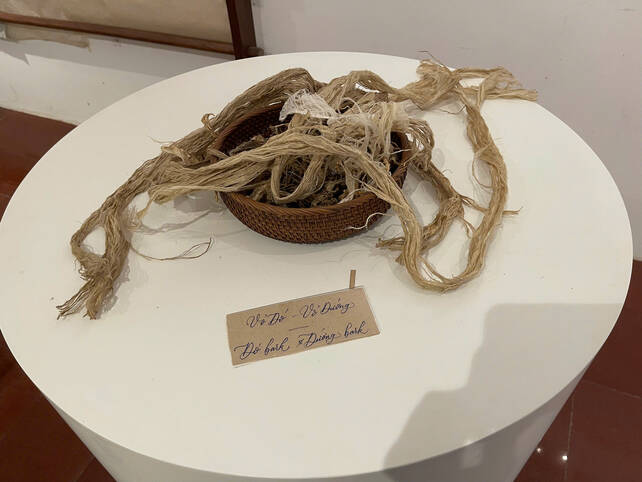
The whole Buoi region at that time was always filled with the pungent smell of cooked bark, bustling with the sound of pestles pounding flour all night long. That pestle sound has gone into folk songs as a sound defining this land: "Mug of smoke spreading a thousand mist/ Yen Thai pestle beat, Tay Ho mirror.
Crystallized from rustic beauty and long-standing cultural depth, Do paper is not only associated with Dong Ho paintings, calligraphy and traditional art forms, but is also flexibly applied in contemporary life through many delicate handicrafts, rich in aesthetic value.
By the 1990s, the Do paper making profession was still maintained through cooperatives. However, in the early 2000s, when cooperatives dissolved, plus the invasion of mass-produced industrial paper - white, cheap, and convenient - the Do paper profession in Buoi region gradually subsided, and then quietly disappeared from daily life.
From the concern about the risk of loss of ancient crafts, Tay Ho Ward People's Committee in collaboration with - Zó Project founder Tran Hong Nhung, "traditional Do paper house of Buoi village" was born as an effort to preserve the memory of ancient crafts. This is where visitors can learn about the history of Do paper crafts, directly observe production stages and experience making paper with craft village artisans.
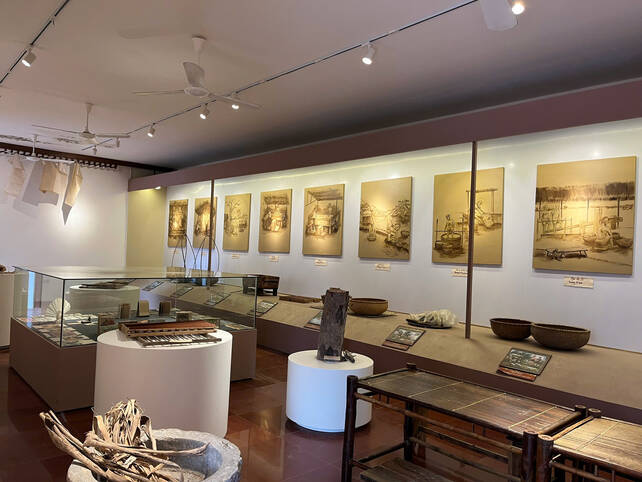
Inside, the display space fully recreates the traditional Do paper making process, from the origin of the Do tree, selection and treatment of the bark, pounding, cooking glue from the mo tree, to the seo, pressing, and paper drying stages. The stages are illustrated with images, artifacts and visual models, helping viewers easily visualize the elaborate journey to create a piece of Do paper.
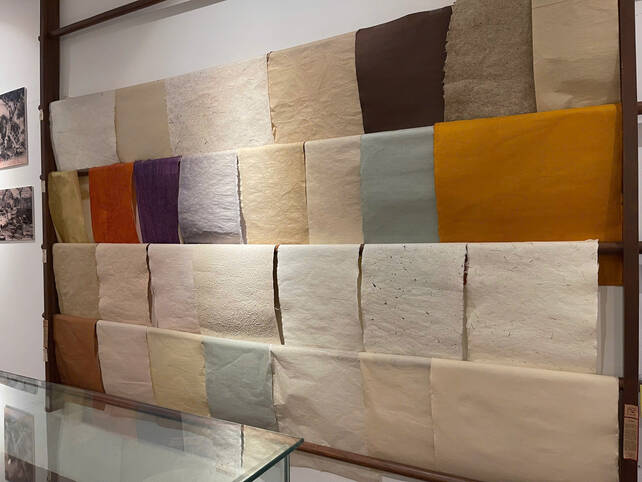
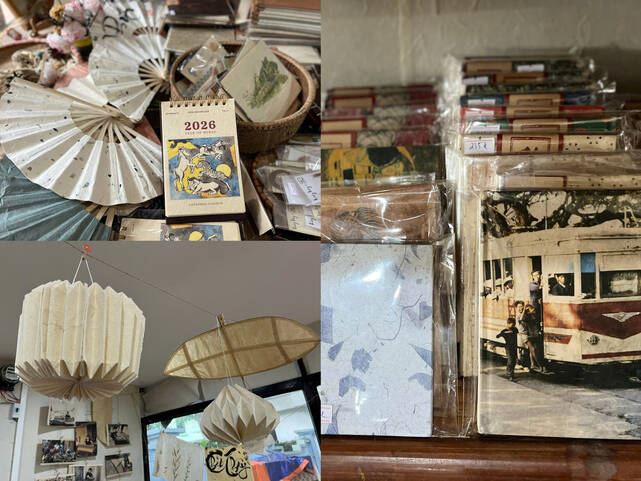
Do paper today not only serves calligraphy or painting, but is also flexibly applied in contemporary life, from notebooks, fans, decorations to handwritten letters - a cultural feature that seemed to have gradually faded in the digital age.
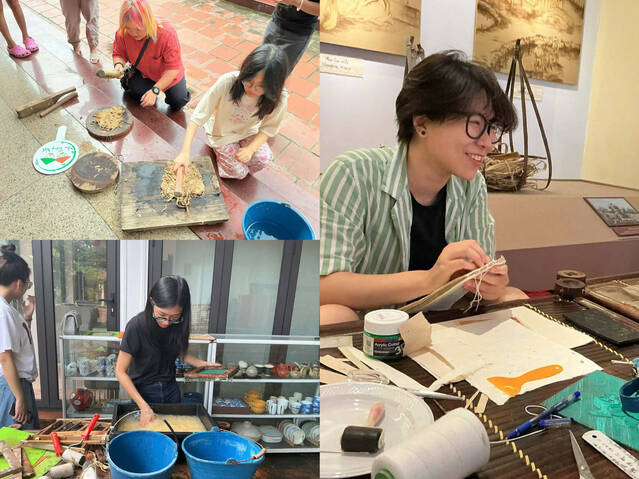
The most special thing in this space is the practical experience workshops. Visitors here, from children, young people to international guests, are led through each stage by artisans and tour guides of Zó Project.
Direct experience of soaking dó, pounding dó, shaking paper, drying paper... helps the public, especially young people and international tourists, understand that a piece of dó paper is not only the final product but the crystallization of time, labor and local knowledge.
Not stopping there, Do paper is also applied in contemporary art, creative handicrafts, and cultural product design, opening up new directions for traditional crafts to exist in the creative economy.
In the trend of tourism development associated with heritage, traditional Do paper is gradually becoming a highlight, a place to preserve traditional values along with creative approaches. Although the profession is no longer maintained as before modern technology took over, amidst the urban pace of life, the elegance of the ancient Ke Buoi is still quietly preserved by the people, like a lasting string connecting the past with the present.


