
Traditional cuisine in the midst of the times
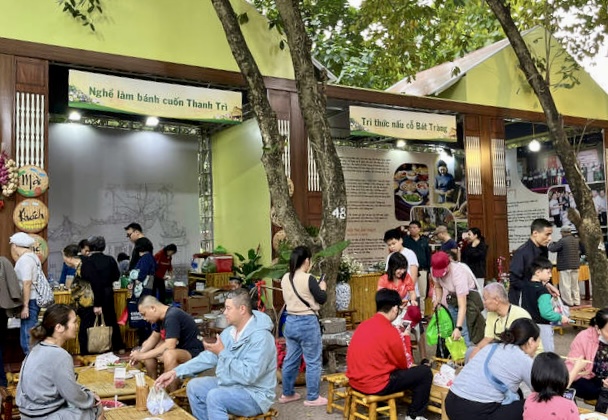
With more than 60 booths, the 2025 Hanoi Food Culture Festival brings a vivid experience to the public: from the choice of ingredients, processing, to the cultural story behind each dish. Cuisine is no longer a simple consumer product, but is approached as a "cultural reality" associated with history, people and community memories.
Notable among the booths is the Vong village green rice area (Hanoi) with new approaches and creativity for culinary heritage. Not noisy and elaborate, the Vong village green rice stall impresses with its familiar green color and light fragrance. The green rice maker chooses the right type of yellow sticky rice flower, harvested at the right ripe, roasted over medium heat, and pounding the green rice grains evenly so that the green rice grains are plump, soft and retain their natural green color. The craft of making green rice requires meticulousness, experience and sophistication, passed down from generation to generation in craft village families.
In addition to traditional fresh green rice, many products are introduced such as green rice sticky rice, green rice sweet soup, green rice milk tea, green rice wine, showing how to renew heritage dishes to suit contemporary tastes, both preserving the unique flavor and creating novelty for consumers, especially young people.
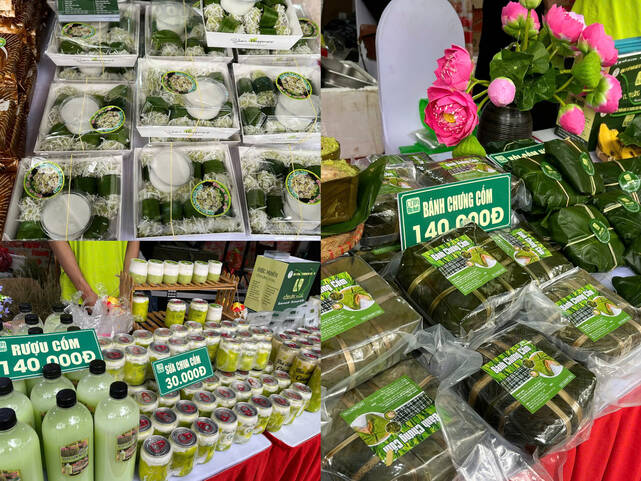
According to artisans, creating more green rice products is a way to expand the existing space of the heritage, helping the green rice making profession adapt to modern life. Despite diverse variations, the core element is still the quality of green rice and the traditional processing process, considered the "soul" of the dish.
Not only Com Vong, the festival is also a gathering place for a series of long-standing culinary villages: Hanoi pho, Phu Thuong sticky rice, Uoc Le ham, Thanh Tri roll cake, La Vong fish cake, traditional dishes of Bat Trang, Tay Ho lotus tea... Each booth is a separate story about the land, people and living customs, all packed with visitors and experiences, showing the diversity of the capital's cuisine.
At the Ba Ngoai snail noodle stall, artist Nguyen Thi Hien shared about her long journey with the profession, considering Hanoi snail noodle soup as a part of the cultural memory associated with the country, the country and the nostalgia of those far from home. Her family still maintains the traditional cooking method with suddenly Vinegar and boiled snail water, creating a delicious, easy-to-eat bowl of snail noodle soup, evoking a sense of closeness and rusticity.
According to her, traditional cuisine needs to adapt to modern life but must not lose its identity, because flavor is the core part that makes up heritage values. In addition to snail noodle soup, the booth also introduces simple local gifts such as corn broth, recalling childhood memories and creating emotional connections for many generations of diners.
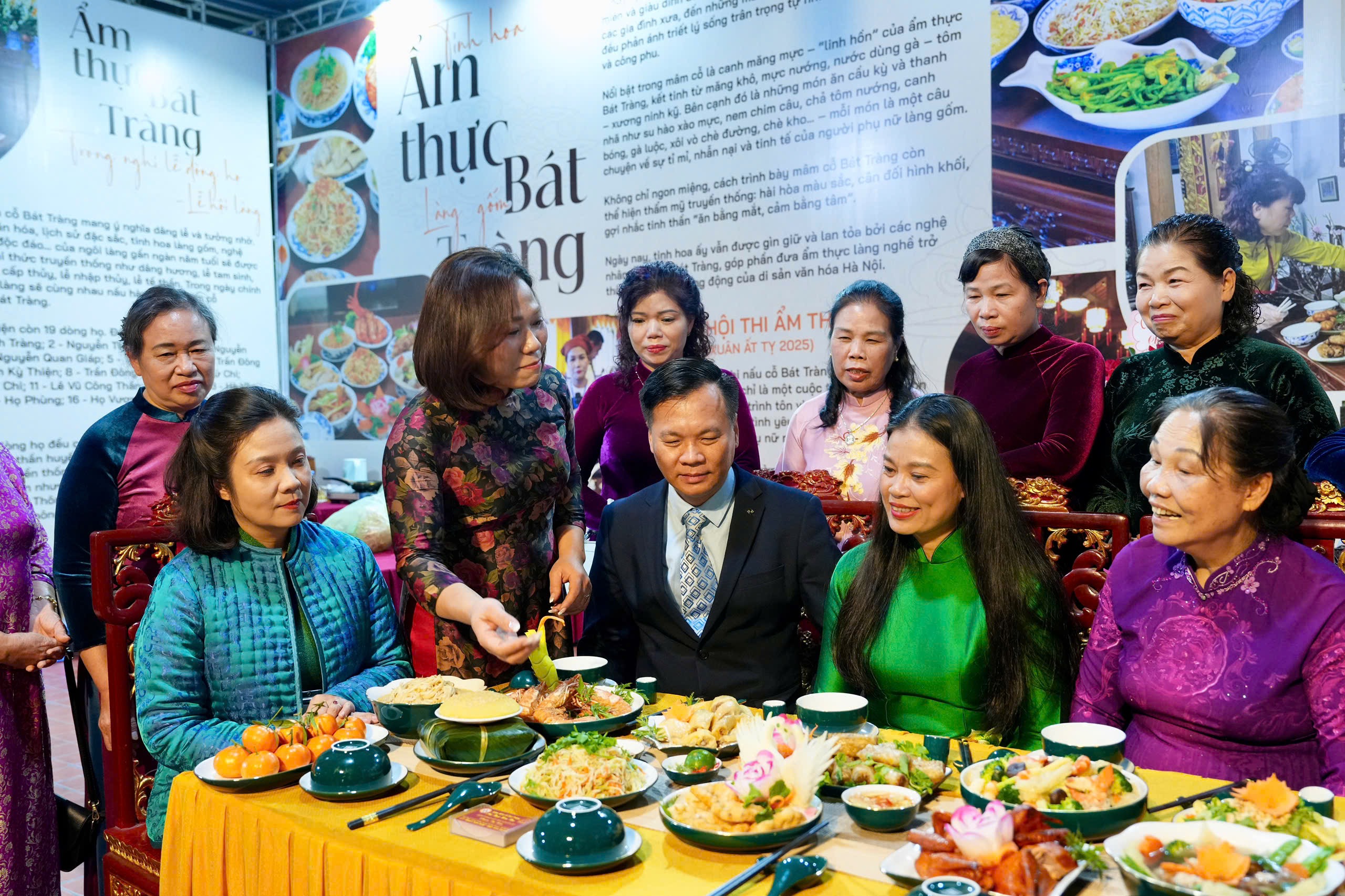
In another space, artisan Pham Thi Dieu Hoai, Bat Trang craft village, introduced the culinary knowledge of Bat Trang - an intangible cultural heritage recognized at the national level. According to her, the Bat Trang feast not only serves family rituals but is also closely associated with community activities during village festivals and important events.
Each festival season, hundreds of trays are elaborately prepared, strictly following the ingredients to the processing method, demonstrating the ingenuity and cultural standards of the craft village. Participating in the festival is an opportunity for artisans to introduce the beauty of Bat Trang cuisine to the public, contributing to expanding the space of heritage.
With the spirit of preserving and promoting traditional crafts, the artisans of the village of Gu Zhoc Uoc Cerem bring many familiar products such as cinnamon sausage, pork silk, pig skin, green rice sausage, nem chua, banh chung, reflecting the richness of the Northern craft village cuisine.
The representative of the craft village said that in order for the traditional craft to continue to develop, it is necessary to preserve its unique flavor, ensure food safety and adapt to market demand. The continuation between generations of craftsmen is the foundation for helping culinary heritage not only be preserved but also develop sustainably in contemporary life.
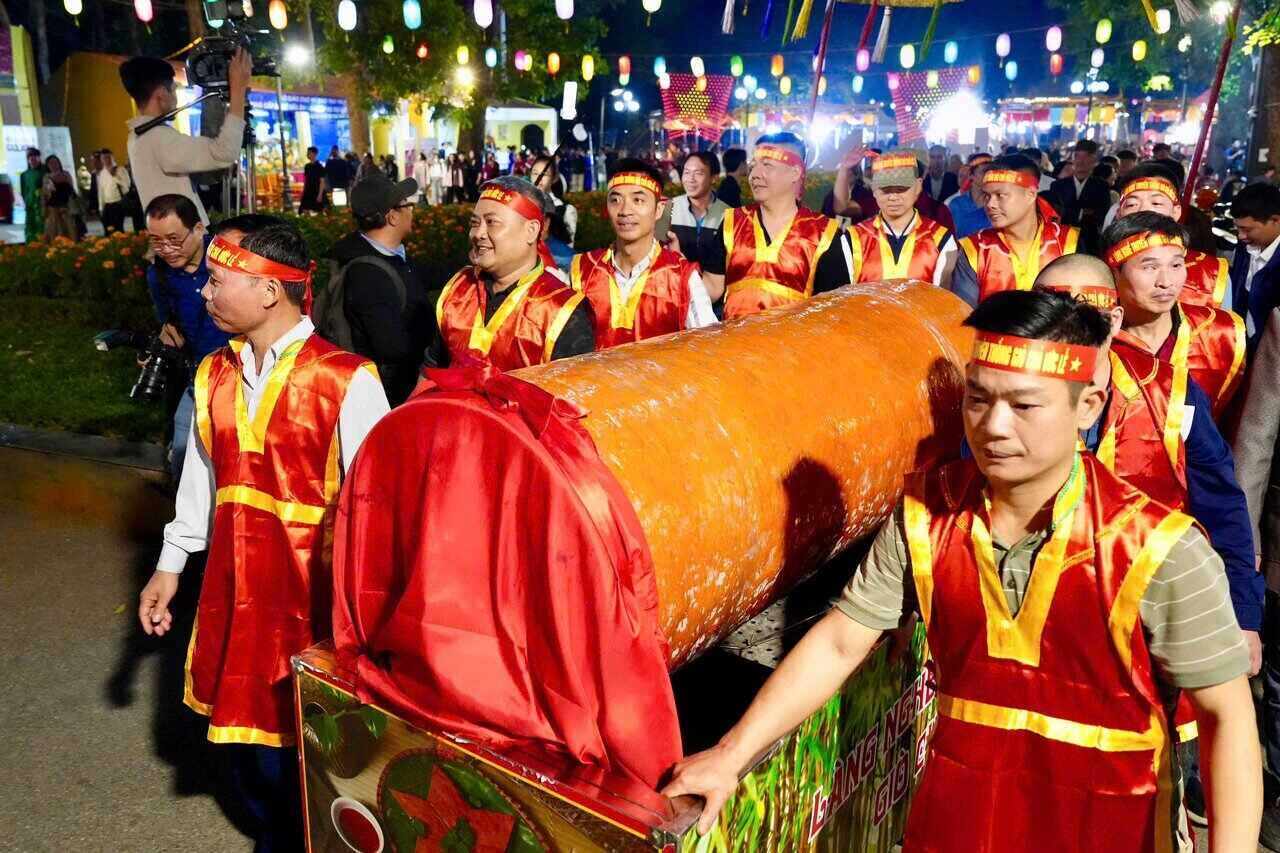
Cuisine - a cultural bridge in the flow of development
To date, 7 culinary heritages have been inscribed in the national list of intangible cultural heritages including Hanoi Pho, Me Tri green rice making, Quang An lotus tea marination, Phu Thuong sticky rice making, Thanh Tri rolling cake making, and Bat Trang cooking knowledge. Each dish is considered a cultural ambassador.
The appearance of OCOP booths ( one product for each commune program) from suburban districts also brings a new breeze, showing that Hanoi cuisine is not only limited to 36 streets but also the quintessence of the entire Northern Delta.

recording intangible cultural heritage in the National List is not only to honor heritage values but also a solution to effectively protect, promote and turn heritage into assets and resources for sustainable development of the cultural industry, contributing to improving local economic life, Ms. Le Thi Anh Mai - Deputy Director of the Hanoi Department of Culture and Sports shared at the event.
In 2022, the Hanoi Party Committee issued Resolution No. 09-NQ/TU on the development of the cultural industry, in which it identified cuisine as an important field that needs to be invested in thoroughly, promoting heritage values to become an "asset", a resource for sustainable development. The Hanoi Food Culture Festival is a vivid proof of that policy.
The 2025 Hanoi Food Culture Festival does not stop at a food enjoyment event, but aims for a larger goal: to make cuisine a typical tourism product and part of the capital's cultural industry.
Through recreating the craft village space, demonstrating processing techniques and interacting with artisans, the festival contributes to telling the story of Hanoi in the language of flavor. This is a soft but effective way of promoting, helping visitors understand and remember Hanoi not only through relics, but also through rustic gifts.
Preserving traditional cuisine is not simply about preserving dishes, but is about preserving the way of life, thinking and cultural values of a thousand-year-old city. And from festivals like this, the journey to connect heritage - develop tourism - build the capital's cultural industry is gradually being realized, with flavors very Hanoian.
From Hanoi with 36 streets to a Hanoi with expanded administrative boundaries, with the intersection of Doai culture and many regions, the cuisine of the capital is increasingly rich, diverse, both sophisticated, standard and rich in creativity. Hundreds of intangible cultural heritages in the culinary sector have been identified, inventoried and preserved, emphasized Ms. Le Thi Anh Mai.
The Hanoi Food Culture Festival is an annual event chaired by the City People's Committee and assigned by the Department of Culture and Sports in coordination with relevant units. In particular, from 2022, the Hanoi Party Committee issued Resolution No. 09-NQ/TU dated 22-2-2022 on the development of cultural industries in the capital for the period 2021-2025, with a vision to 2030, with a vision to 2045. In particular, cuisine is identified as one of the fields that contribute to promoting the development of the cultural industry in the city.


