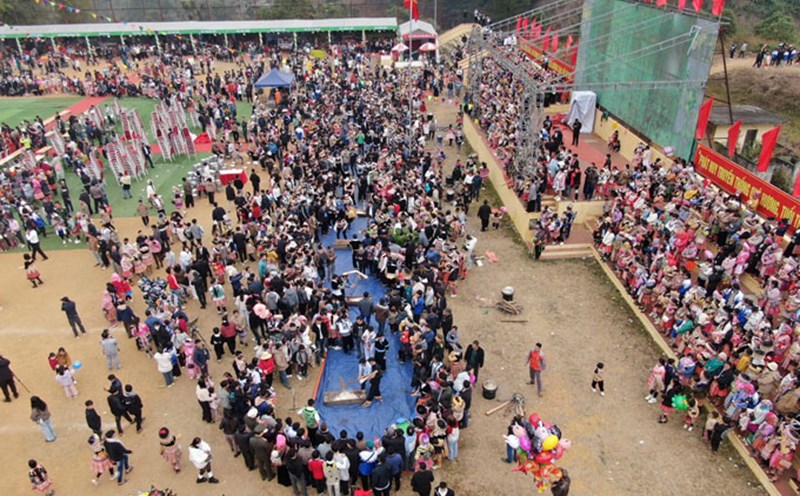
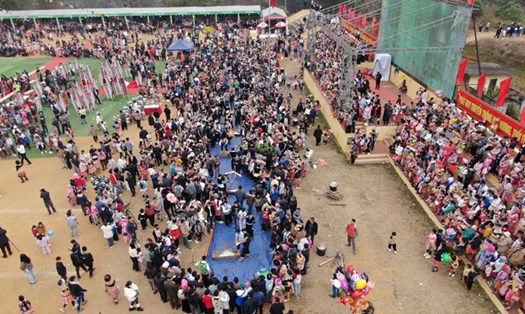
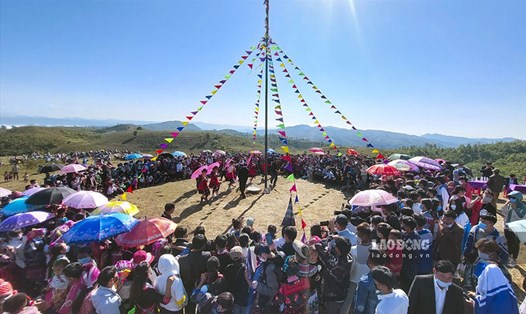
On February 28th (ie, the 12th day of the first lunar month), Ta Van commune organized the Gau Tao Festival - the most anticipated event for people at the beginning of Spring.
This is a traditional festival imbued with H'Mong ethnic cultural identity, and also an important highlight in the community tourism development orientation of the locality after the merger.
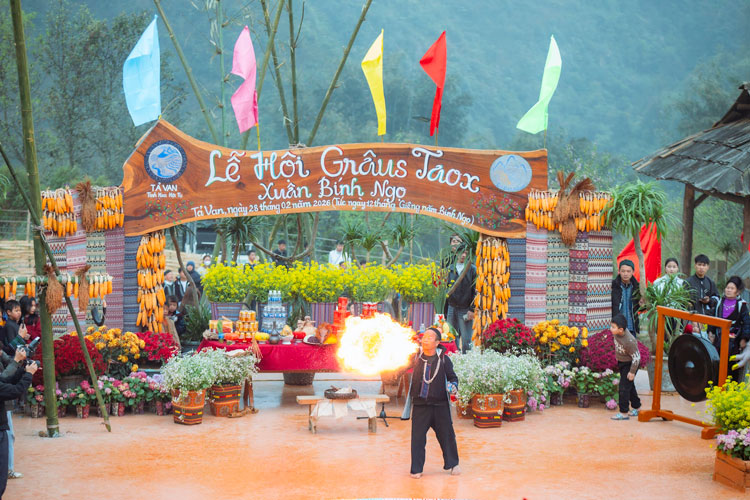
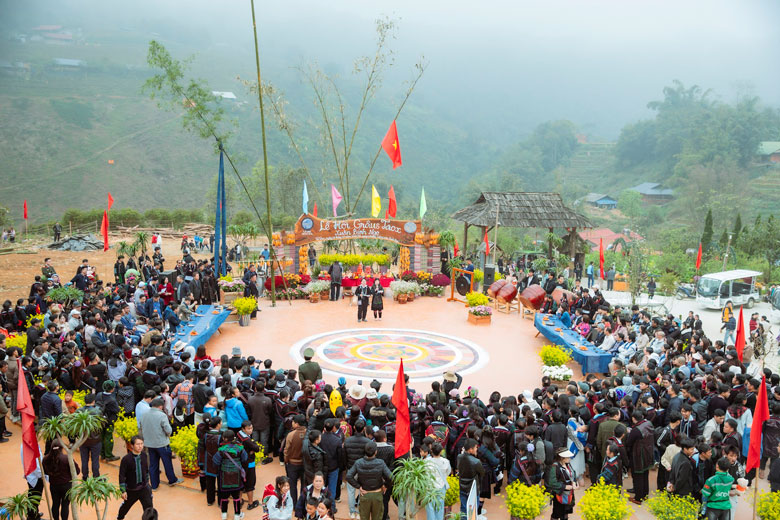
The festival is held at the famous Cat Cat tourist area, in the Sa Pa area. The ceremony part takes place solemnly in the area where the Neu tree is erected - a sacred symbol, associated with the spiritual life of the H'Mong people during Tet and the New Year festival.
After the shaman performs rituals praying for heaven and earth to bless the villagers with health, bumper crops, and peaceful life, the sound of gongs echoes, signaling the official opening of the festival, opening up a joyful and excited atmosphere.
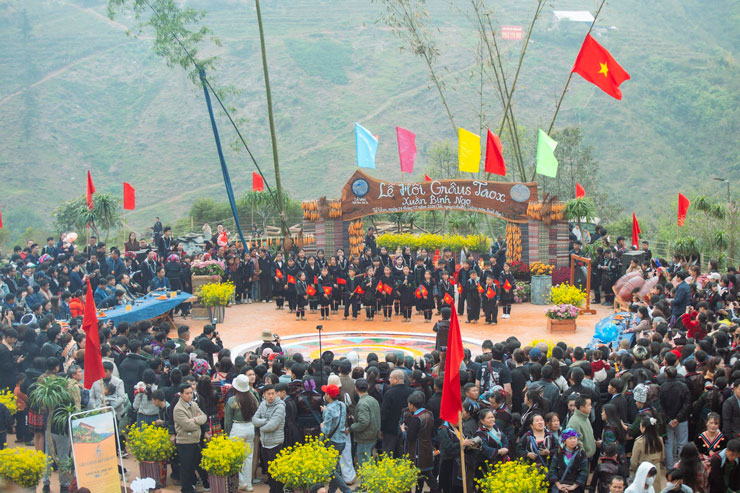
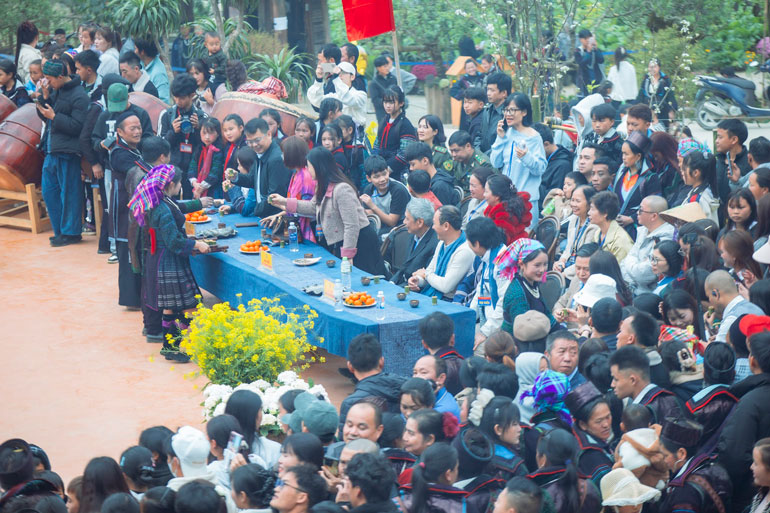
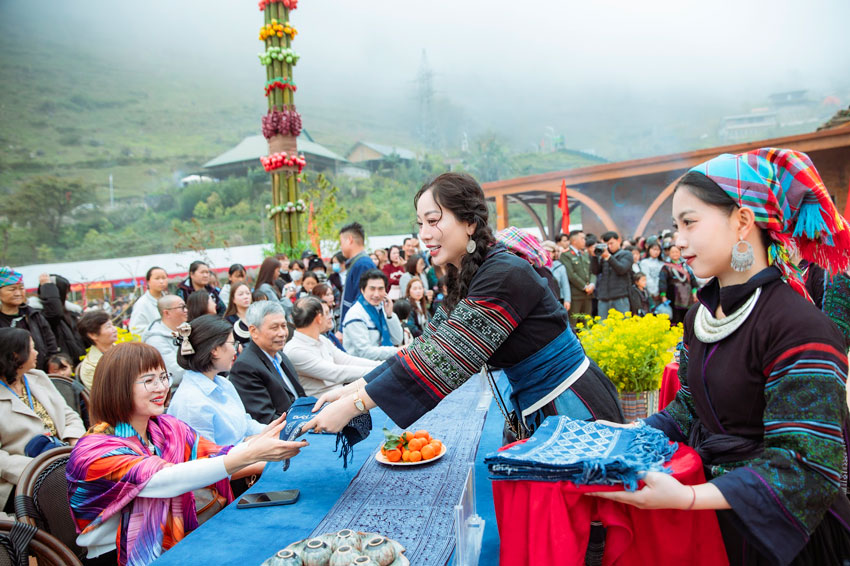
The festival part took place sôi nổi with many traditional folk games such as throwing pao, đánh yến, đi cà kheo, đẩy gậy, kéo co... attracting the enthusiastic participation of people and tourists.
The flexible traditional dances, rich in identity, along with booths displaying traditional crafts and typical cuisine such as thang co, corn wine... contribute to vividly recreating the cultural life of the H'Mong people in the highlands.
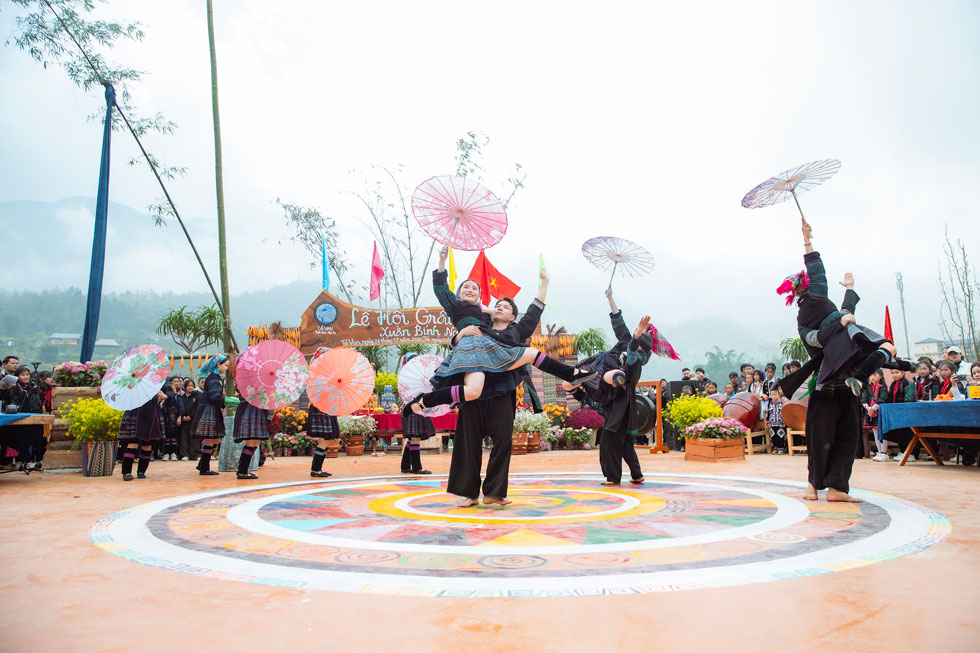
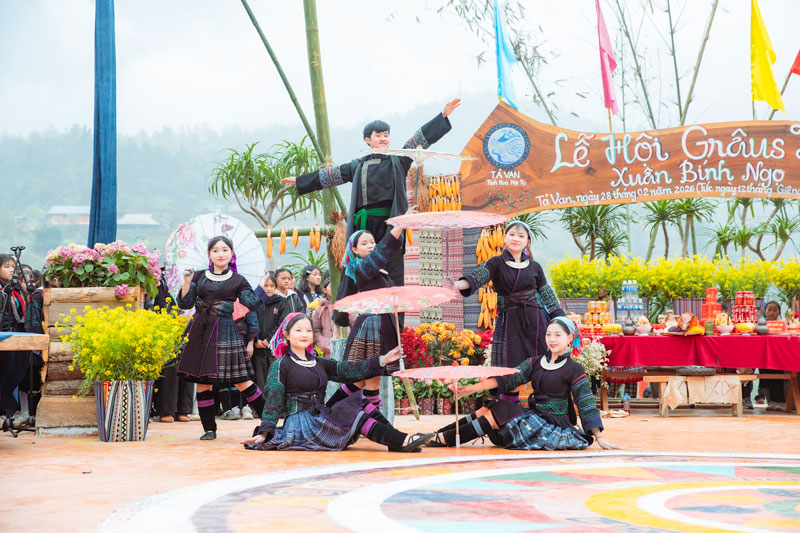
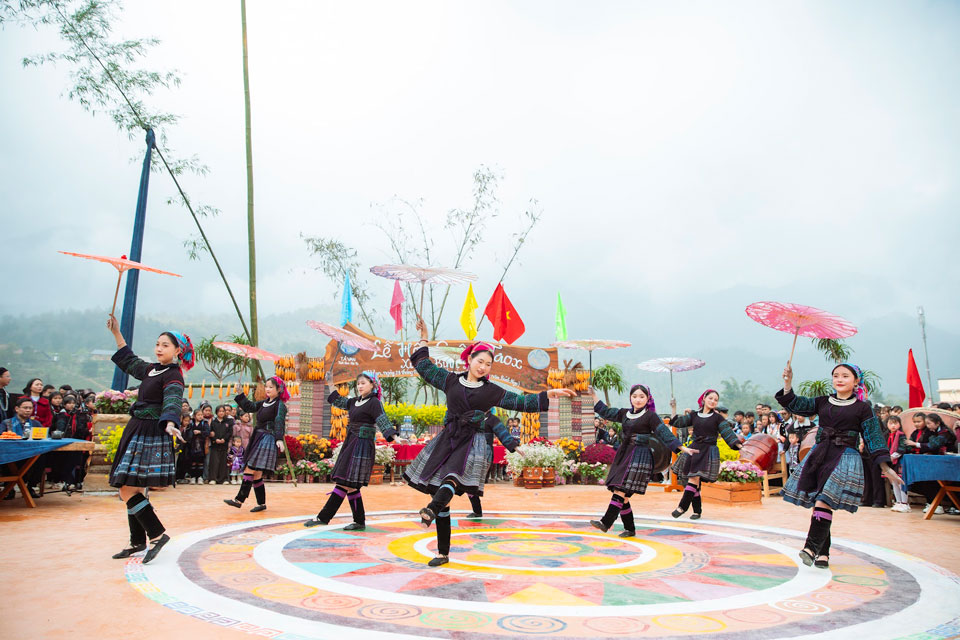
The Gau Tao Festival in 2026 has special significance as it is the first festival held after Ta Van commune implemented the merger of administrative units. The methodical organization, with coordination between local authorities and tourism units and businesses, has contributed to promoting the image, people and local culture to a large number of domestic and foreign tourists.
Through the festival, Ta Van commune continues to affirm the direction of community tourism development associated with preserving and promoting traditional cultural values.
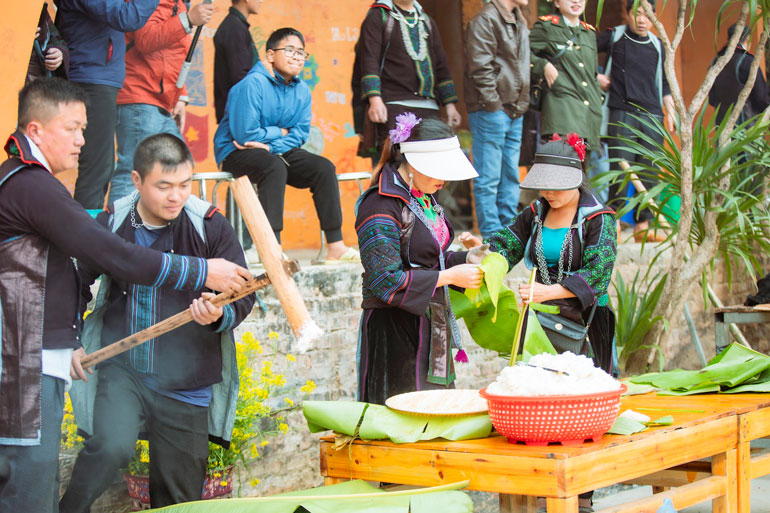
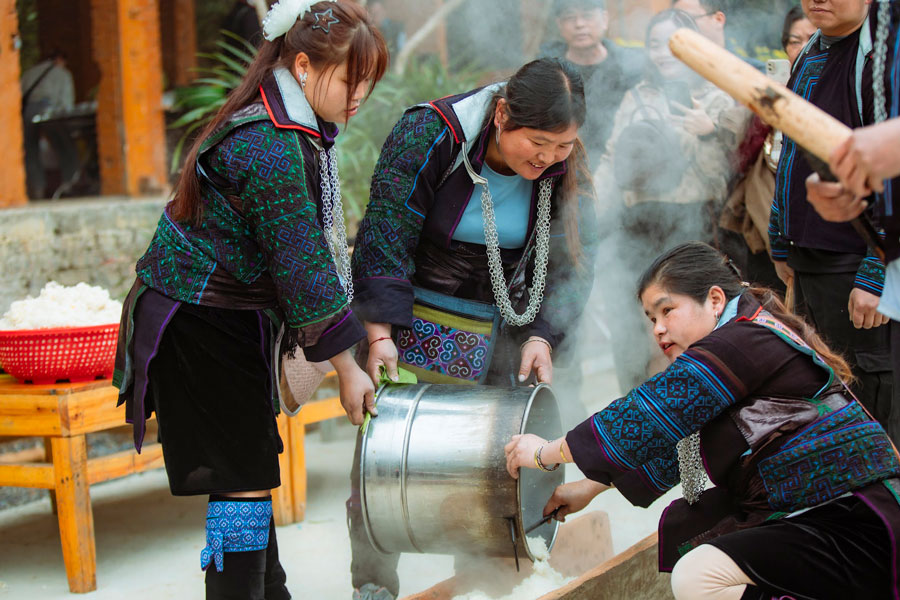
This is not only an opportunity for people to preserve and pass on national identity, but also opens up opportunities to create sustainable livelihoods, improve the lives of people in mountainous areas, contributing to building Sa Pa into an attractive destination on the national tourism map.