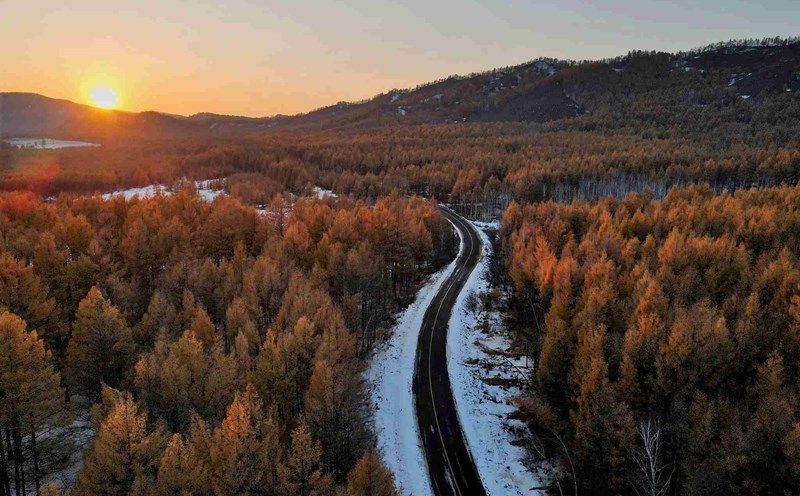
Over the past time, Hohhot city, belonging to Inner Mongolia Autonomous Region (China), has promoted the link between heritage preservation and urban innovation, creating a series of diverse cultural sites to meet the spiritual life of people and promote local tourism economy.
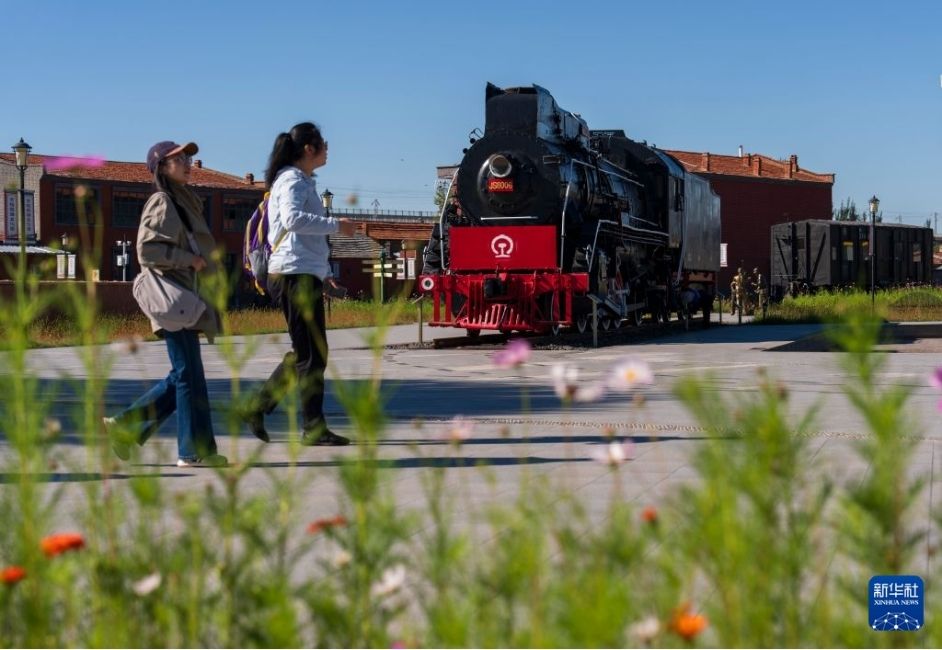
Prominent is the Beijing Railway Cultural Park project connecting to Hohhot, built based on the ancient Bach Thap railway station - a key national conservation site.
Through the restoration process, the appearance of the hundred-year-old station and the historical process of the railway line have been fully recreated, becoming a visual heritage education space for the young generation of China, and at the same time attracting tourists.
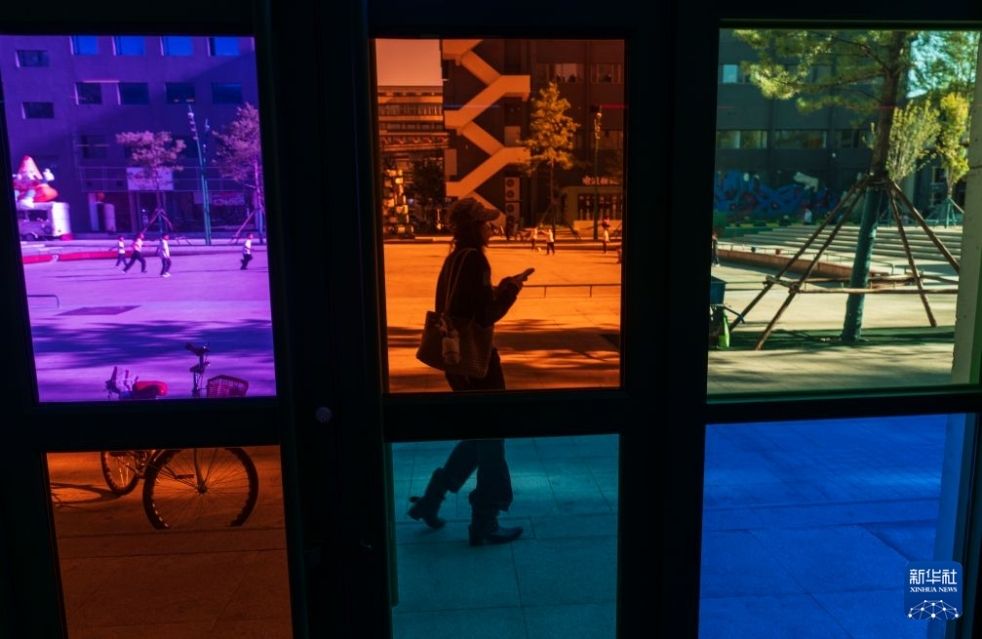
In urban areas, the Thien Nga Phuong complex brings a new face to the creative economy. Formerly the "Thien Nga" brand TV factory of Inner Mongolia, this area maintains its characteristic industrial structure to transform into an open space.
This place gathers creative space, cuisine, and commerce according to new trends and regularly organizes fairs and art exhibitions, connecting old industrial memories with modern young rhythms of life.
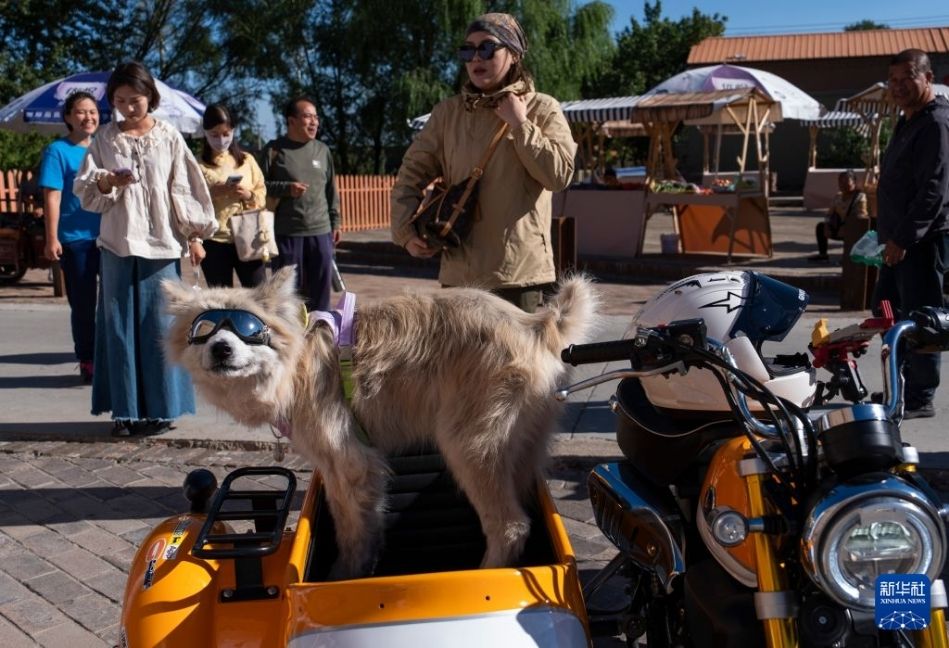
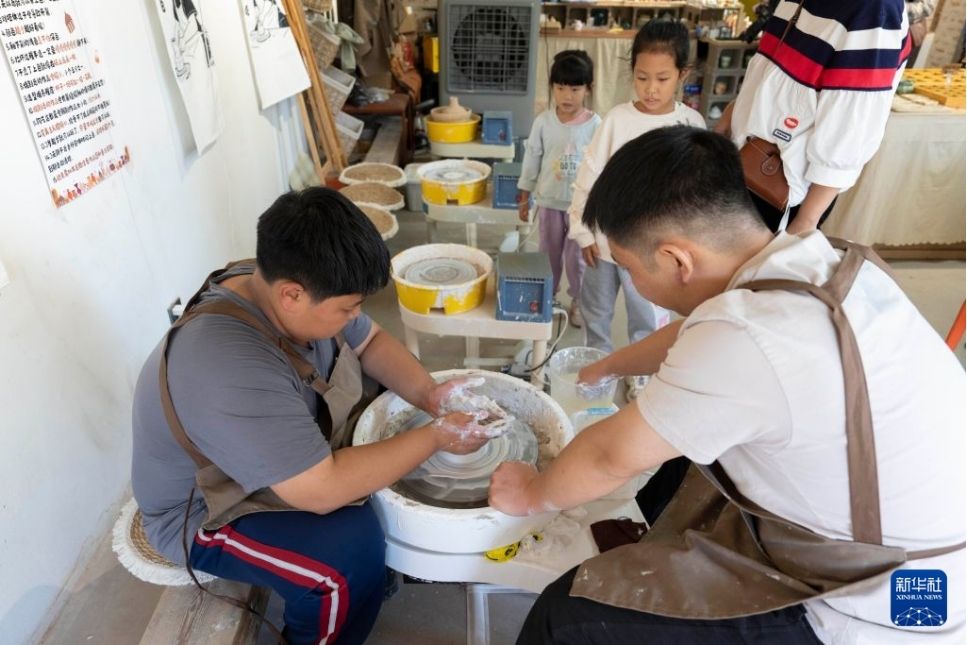
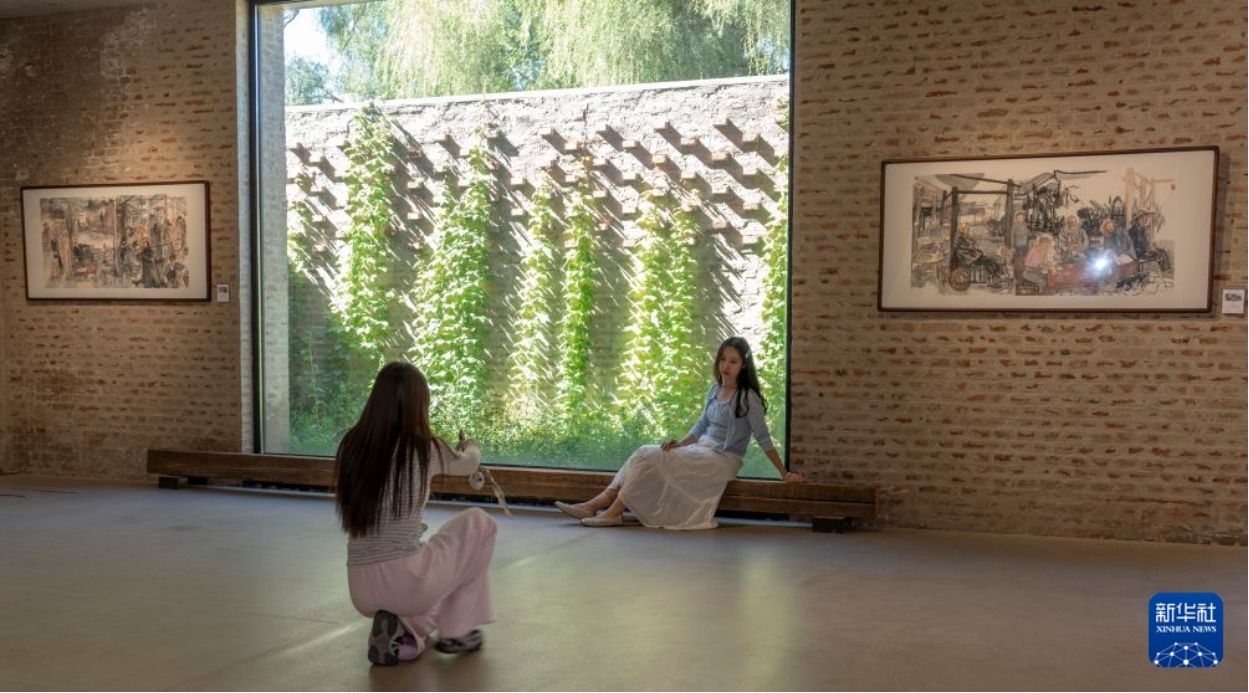
The reconstruction model also spreads to rural areas with the Hui Space Art Center in Tay O To Do village (Wusutu).
The project is restored from the old bricks of the village, not only bringing new life to the abandoned yards but also solving jobs for local people.
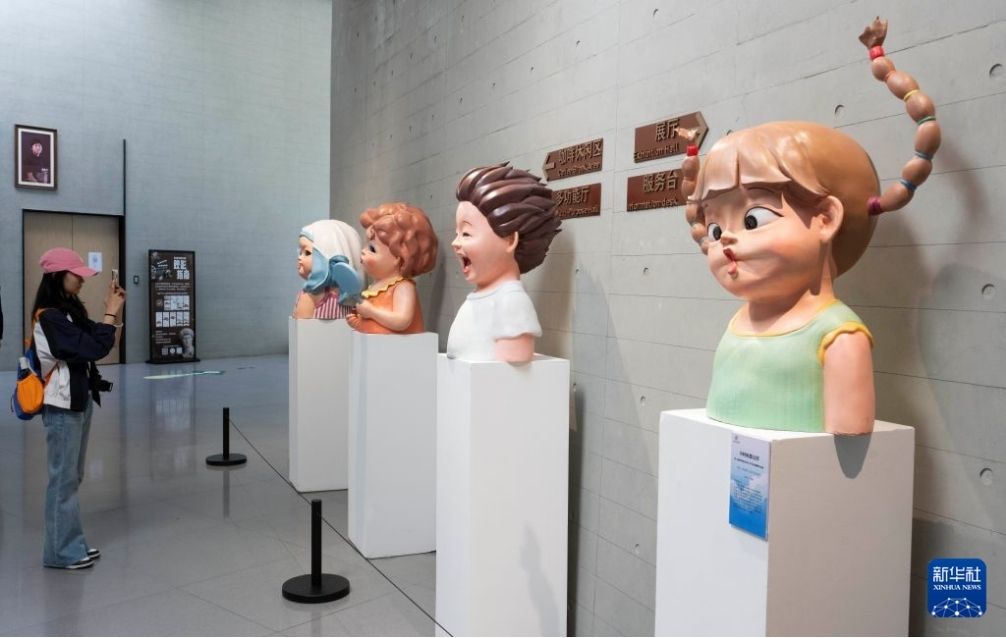
The Hohhot Sculpture Art Museum with a collection of works by famous artists and young faces from both domestic and international sources has also reached the milestone of welcoming more than 1.08 million visitors.
Hohhot's approach provides a solution to the problem of balancing tourism development and preserving the urban soul, turning heritage into a vibrant common space for the whole community instead of quiet museums.