
The 2026 China Culture and Tourism Industry Fair (CTIE) closed after 4 days of exciting competition in Tianjin, leaving a strong impression of a tourism market undergoing strong transformation. Chinese tourism is closely combining cultural resources and modern service chains to stimulate domestic consumption.
Instead of simply introducing scenic spots, tourism units have applied digital technology, reviving intangible heritage and connecting multi-industry to stimulate tourist shopping needs. These new models not only enhance destination recognition but also directly stimulate consumer demand from young customer generations.
The attraction from heritage renewal thinking is clearly shown through the story of Dong A Cultural Tourist Area in Shandong province. Here, visitors can self- Grind herbs, manually string seeds and participate in processing health care products. Thanks to the unique combination in tourism experience, this destination has attracted more than 1.07 million visitors and achieved revenue of over 100 million yuan in 2025.
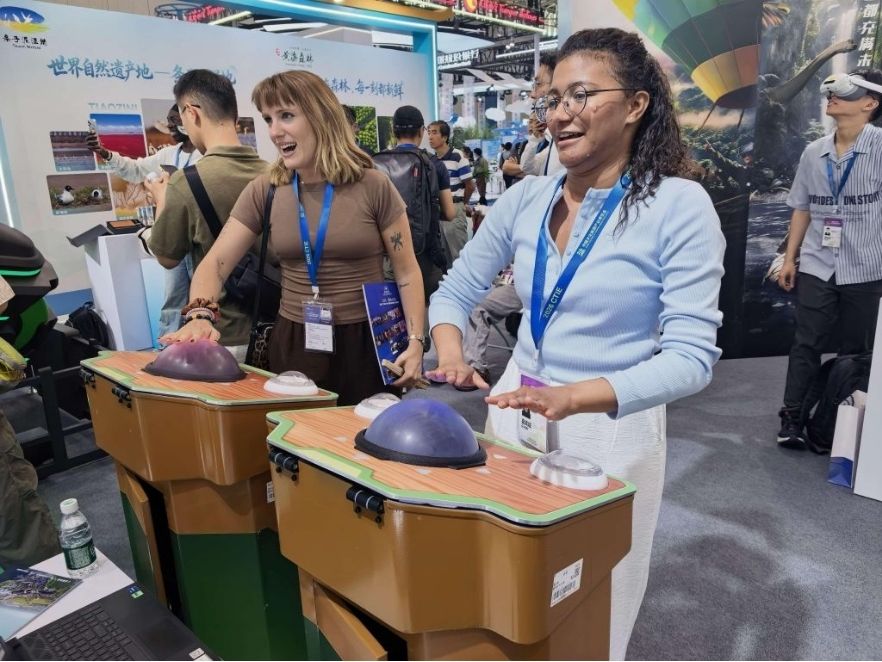
Meanwhile, Changzhou Dinosaur Park (Jiangsu province) proves the effectiveness of technology in commercializing cultural and entertainment content. Through virtual reality and augmented reality devices, viewers are immersed in the fascinating prehistoric space.
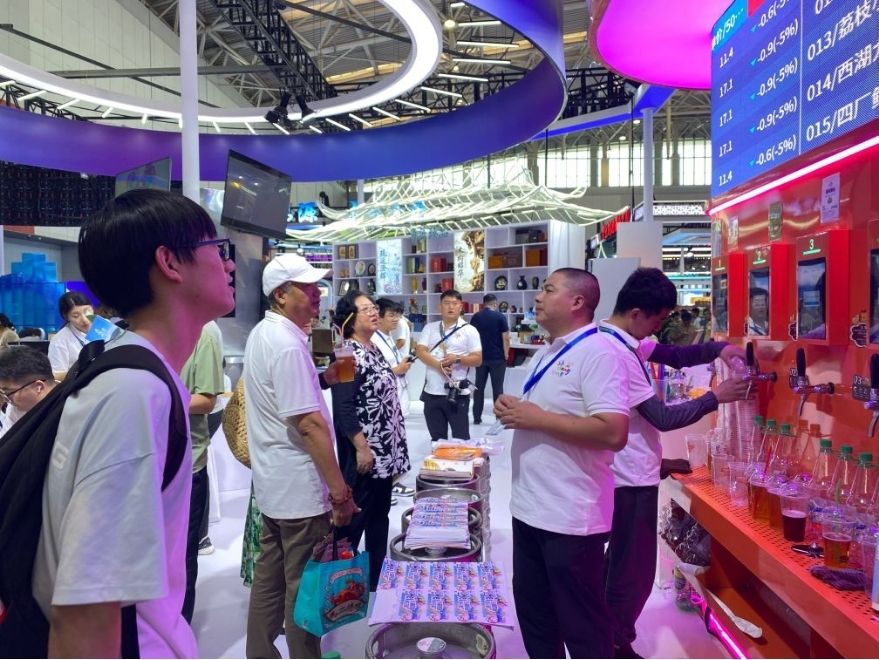
Street food has also become a unique experience product in Qingdao. The "beer exchange" model on Taitung Street allows beer prices to fluctuate according to the number of buyers like the financial market, attracting more than 10,000 visitors to experience every day since its deployment in mid-2025.
According to statistics for the first half of 2026, China recorded 3.463 billion domestic visitors with total spending reaching 3.21 trillion yuan. Turning culture into highly interactive consumer products is a solid lever to help the country's tourism industry continuously break through.


