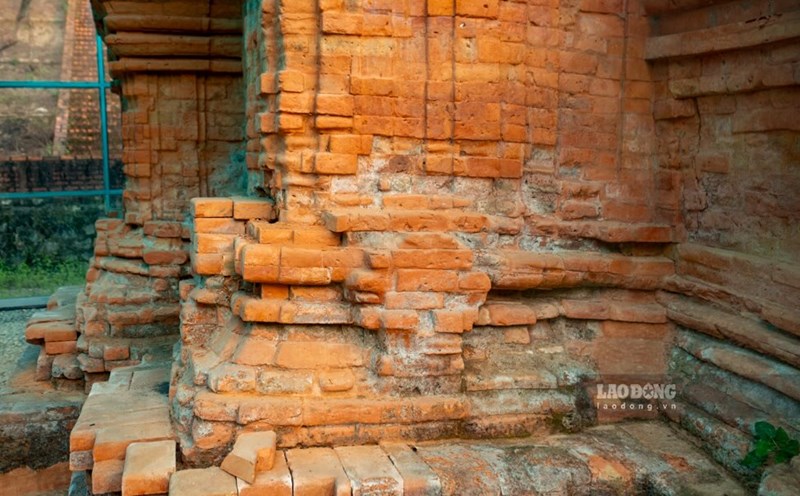
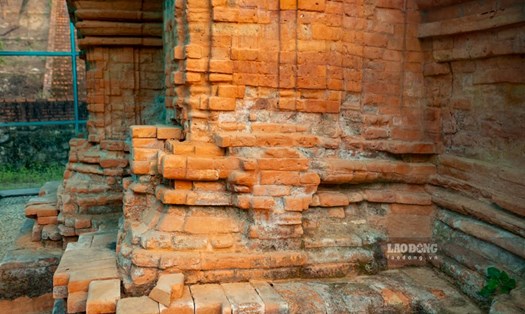
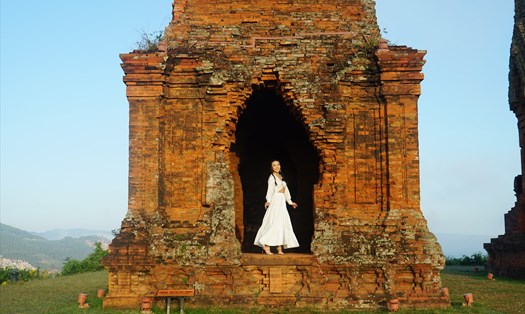
The special national relic Hoa Lai Tower (also known as Ba Thap), located on National Highway 1 passing through Thuan Bac commune, Khanh Hoa province, is an ancient Cham tower complex dating from the 8th century.
Over a millennium, the Cham tower complex still stands tall amidst the sun and wind of Central Vietnam, preserving the unique values of history, culture and architecture of the ancient Champa Kingdom - a destination rich in attraction during the Spring days.
Traces of Cham architecture over 1,000 years old
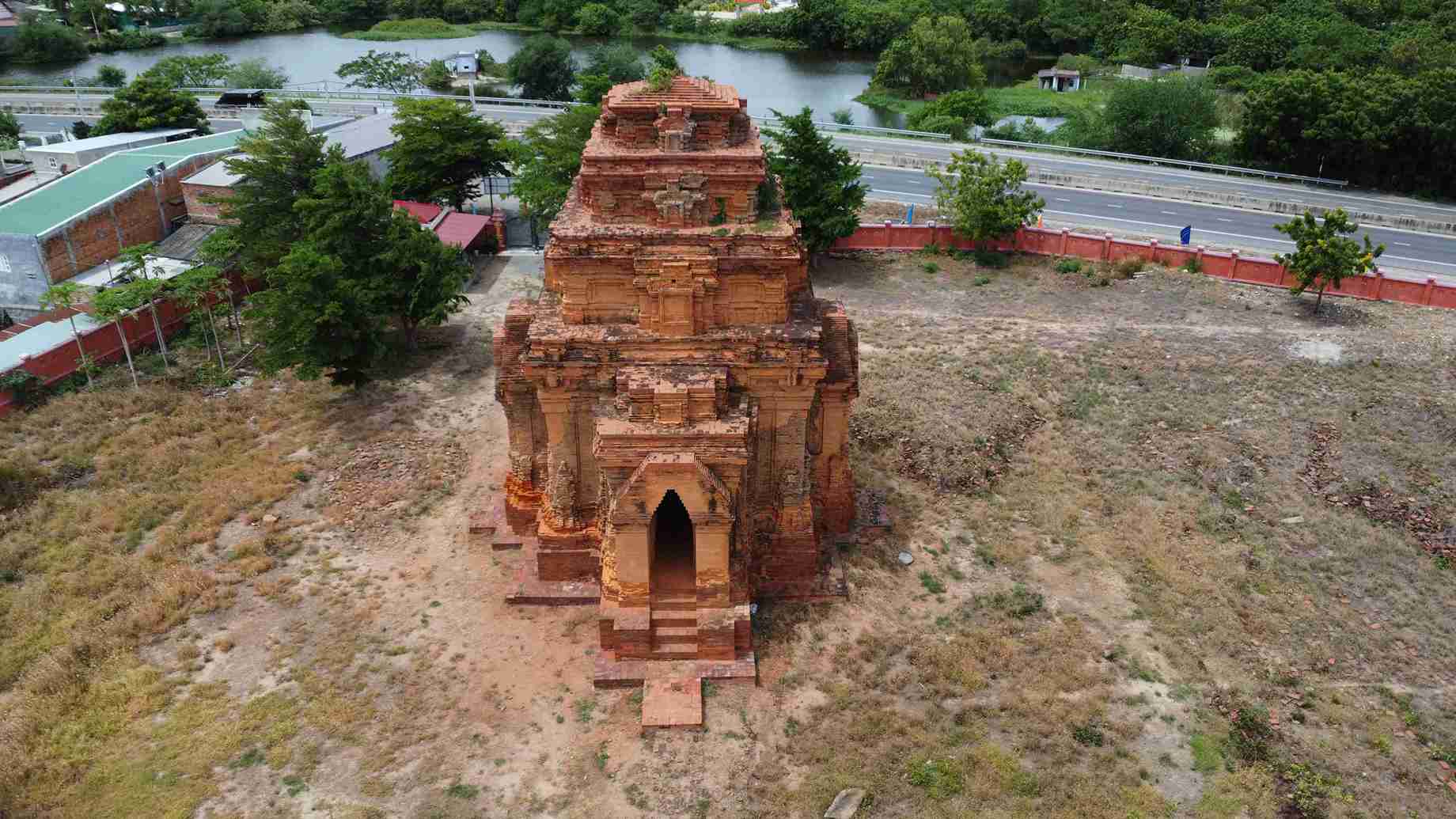
The original Hoa Lai Tower Complex consists of 3 adjacent towers in a land area of nearly 5,000m2.
Due to the impact of time and weather, the middle tower collapsed, currently only the foundation remains; the remaining two towers - the North tower and the South tower - still stand firm, with the main gates facing East.
According to researchers, Hoa Lai Tower (commonly called Yang Hakral or Bal Lai tower by the Cham people) plays a fundamental role in the formation and development of later Cham tower architecture. This is clearly shown in the overall layout, arch decoration and column system.
The North Tower stands out with rolling leaf patterns and the image of the Garuda god; meanwhile, in the South Tower, the Garuda image is no longer clear due to the impact of time, and the carved motifs are also simpler.
Archaeological studies show that the tower cluster was built around the 8th-IXth centuries, each tower belonging to a different period.
The South Tower belongs to the transitional period between the My Son E1 and Hoa Lai styles; the middle tower is in the Hoa Lai style, built under the reign of King Satyavarman (774-784); the North Tower was built later, in the early 9th century.
Precious heritage in the North-South traffic axis
Through many excavations in 2005, 2012-2013 and 2016, scientists discovered more than 400 artifacts at the relic site.
Including the Linga - Yoni set made of solid stone and Hoa Lai stele - precious documents recording the construction time of the tower, associated with the belief in worshiping the god Shiva of the Cham people.
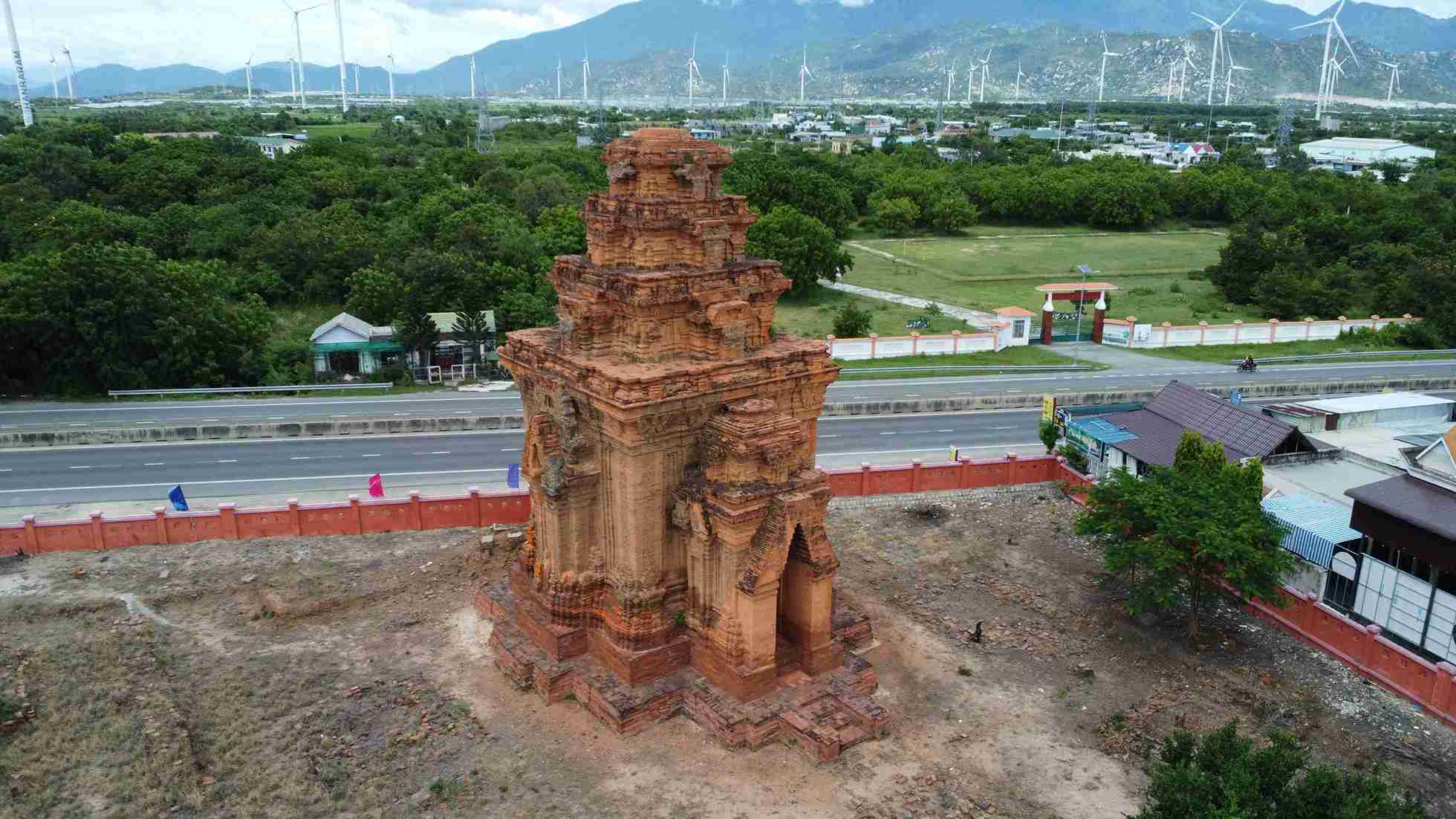
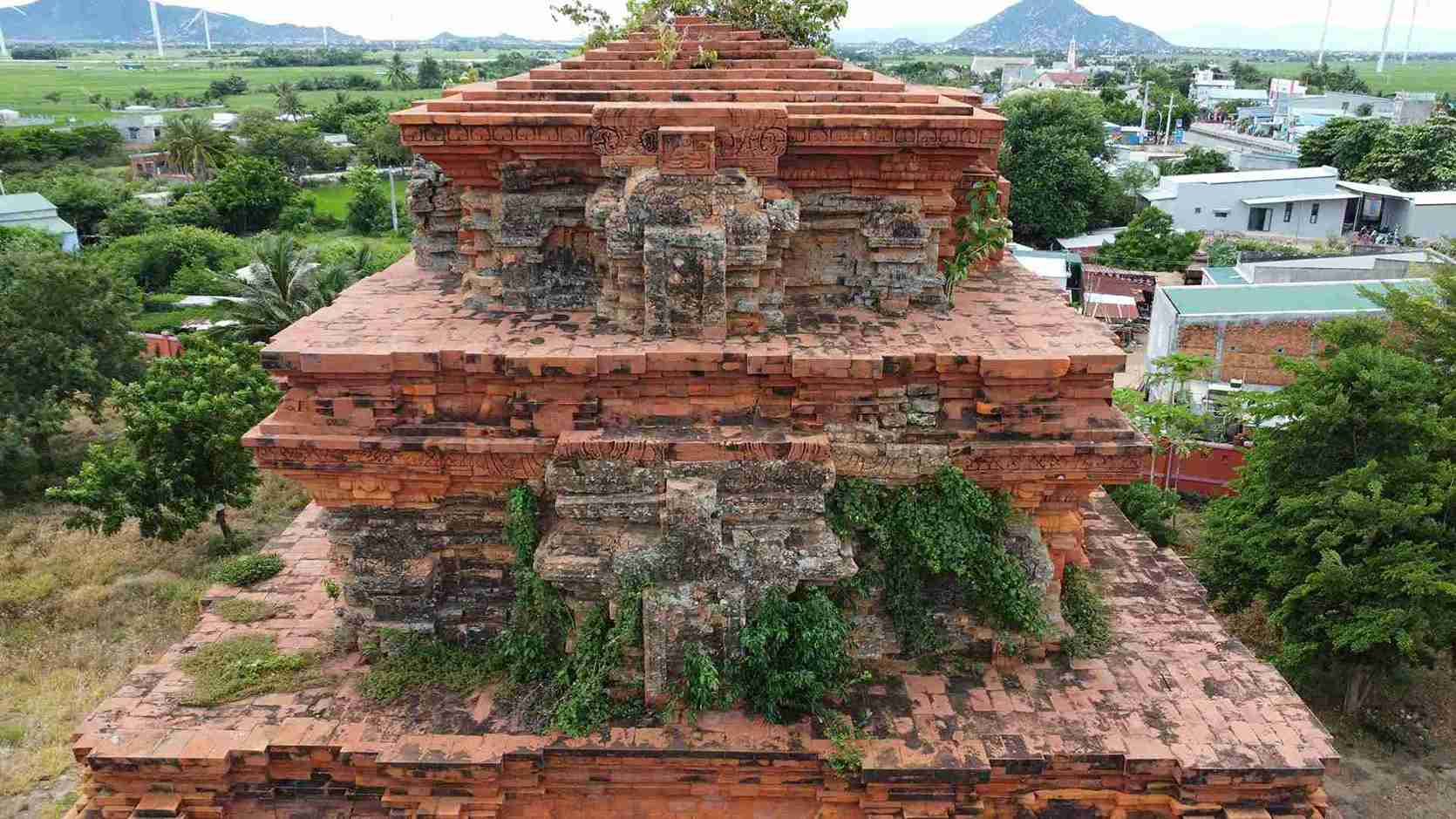
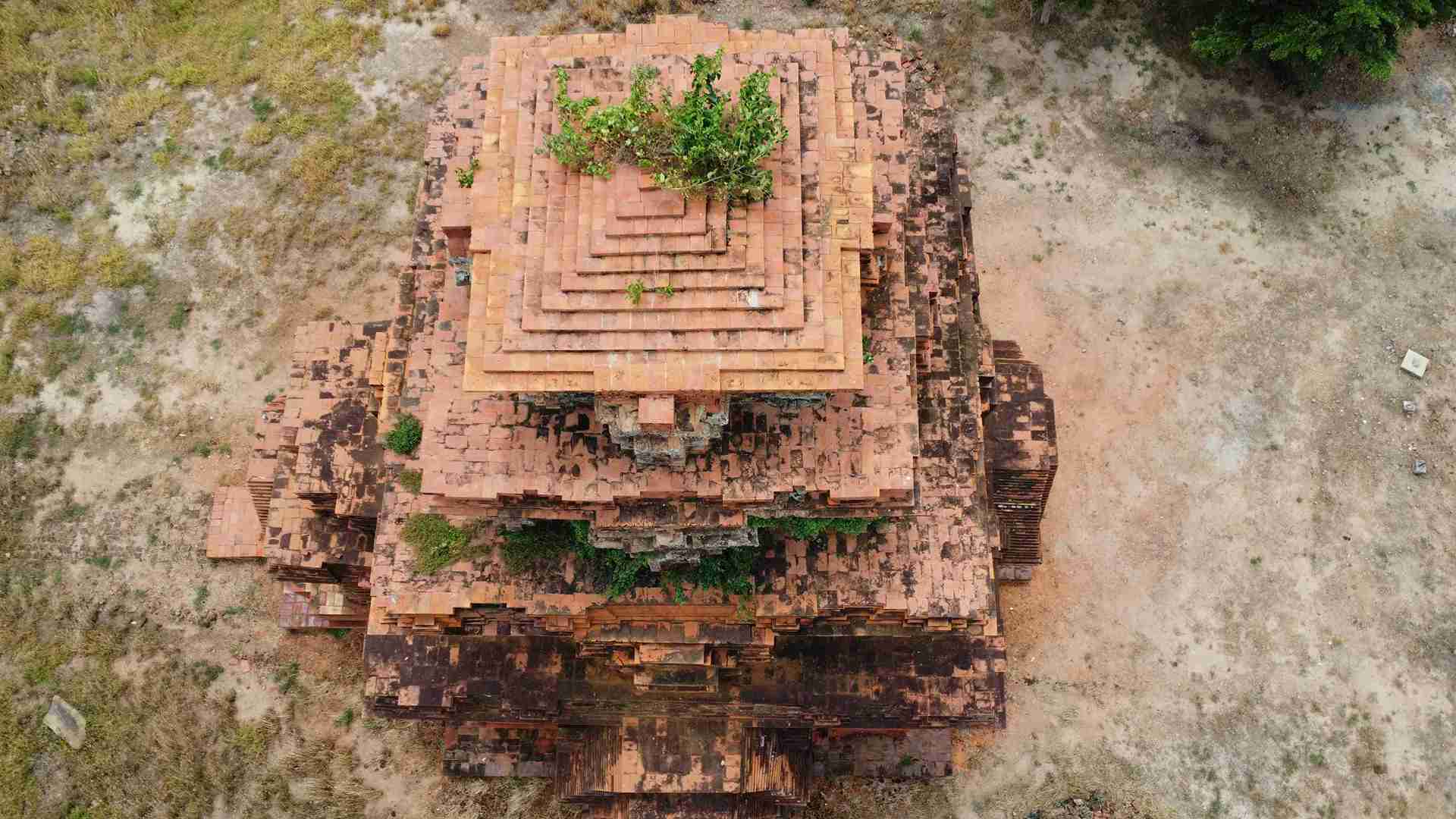
In 2016, Hoa Lai tower was recognized as a special national relic; in 2020, Hoa Lai stele continued to be recognized as a national treasure.
With a convenient location on the North-South traffic axis, Hoa Lai Tower creates conditions for tourists and researchers to easily visit and learn.
This is considered an advantage for Khanh Hoa province to continue to research and rationally exploit, linking conservation work with promoting the value of relics, serving the socio-economic development goals of the locality.
Mr. Tran Duc Ha, Director of the Khanh Hoa Provincial Cultural Heritage Conservation Center, said that the harsh impact of time and climate conditions has affected the existence and durability of Hoa Lai tower.
However, through restorations, the basic tower cluster still retains its unique features, the patterned lines are still quite intact; each tower has its own beauty but is built harmoniously in the overall architecture.
Currently, the Department of Culture of Khanh Hoa province is coordinating with relevant departments and units to research, build dossiers and develop a master plan to preserve, restore and promote the value of this special relic - so that in the spring days, amidst the flow of people going back and forth on National Highway 1, Ba Thap Hoa Lai is still a quiet but powerful stop that evokes a brilliant civilization that once existed in the Central region.