
From limited funding, small scale to lack of extensive consultation with experts throughout the process of preparing documents - construction... all create a chain of reasons why the project has just been accepted, with moss, salinity, brick and controversy over rough intervention.
"Removing the tops and leaving the roots"
The Khuong My tower group (Tam Xuan commune, Da Nang) was built around the 10th century and has been ranked as a national monument since 1989. For more than a century, the relic of Cham Tower has been studied everywhere; but Khuong My alone has never had a large-scale seminar to separate the basic unit: moisture - salt mechanism, materials, structure, foundation geology, coastal location...
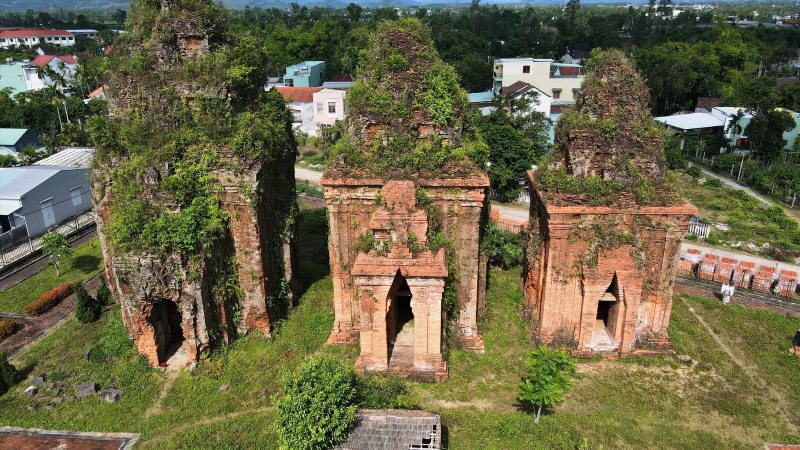
In the past 15 years, the relic has had several small interventions, along with a major restoration project for the North and Central towers - but important decisions still lack a multi-disciplinary discussion forum before entering the construction site.
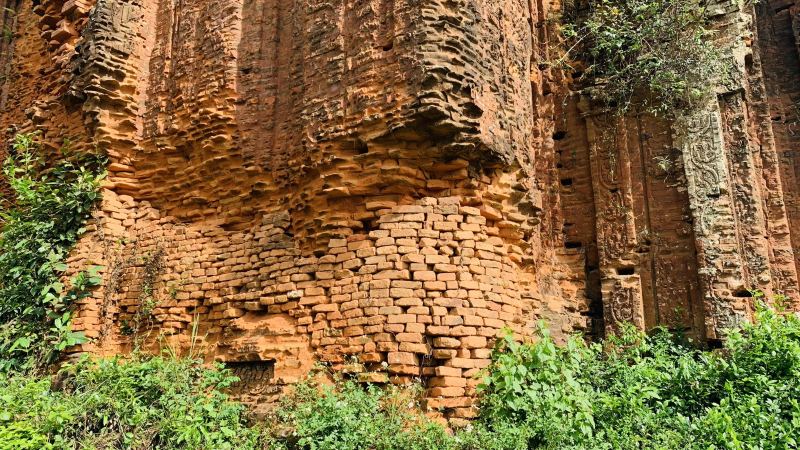
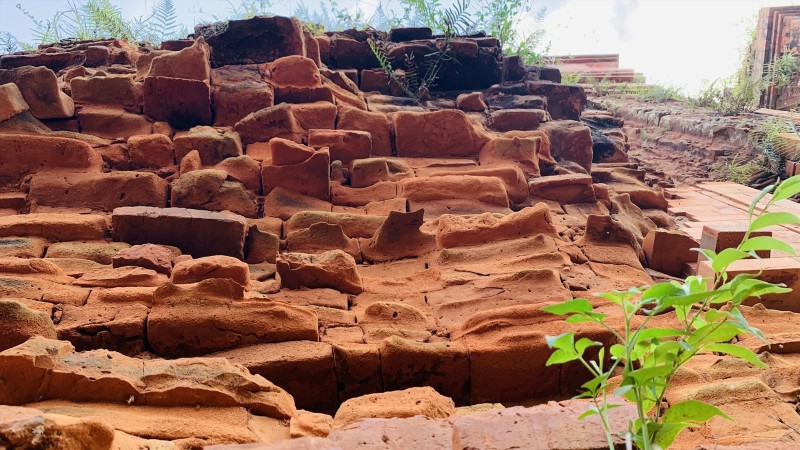
One reason mentioned by the restoration unit itself - Institute of Construction Science and Technology is the low cost. As a result, the records ignore the archaeological excavation items; the roof - fake door - underground water treatment is not within the scope, while this is the root of moisture - salt, causingruin on the brick surface.
Because there is not enough money for the overall solution, it leads to patchwork construction to prevent collapse, then continuing to have to bulge - bulge - replace the tower body, which is both expensive and damages the original element.
Associate Professor, Dr. Le Dinh Phung, an archaeologist, emphasized: most of Cham tower is an architectural archaeological relic, so archaeology must be one step ahead. When there is no feasible restoration plan, it is best not to excavate - and it is even impossible to dig a flat surface without a license and professional archaeological supervision.
Researcher Tran Ky Phuong acknowledged: "The errors in the Central Tower have rang the bell about the restoration process and professional capacity related to Cham architecture". He said directly: "If the construction unit had consulted with the Cham cultural and artistic researchers, there would have been no construction to fill the brick wall holes in the tower's interior". This is a key detail: the internal wall holes - creating the feeling of a sacred cave - are the aesthetic mark of Cham architecture; flattening is the deformation of the original elements.
Mr. Ho Xuan Tinh - former Deputy Director of the Department of Culture, Sports and Tourism of Quang Nam (old) - added: Cham relic cannot be treated as a civil project. The lesson in Khuong My, according to him, is that there must be a review consultation stage for experts to give comments right from the time of preparation of documents to the construction process, it cannot be just handed over to the management agency for approval.
Monuments cannot be auctioned like houses
Over the past ten years, the conservation of Cham architecture has made progress, especially in My Son - where materials, adhesives, and maintenance processes are tested more systematically. In 2022, the Institute of Monuments Conservation also organized a workshop to collect opinions on the draft TCVN for the preservation - restoration - restoration of Champa tower (requiring construction materials and techniques - acceptance). But to date, the standards have not been issued. The standard gap is one reason why the site easily follows the civil construction habit.
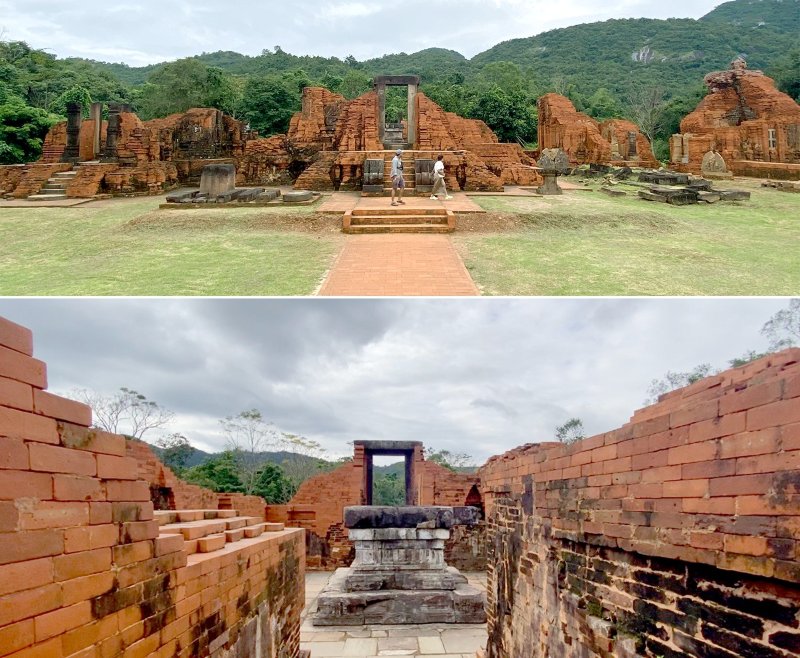
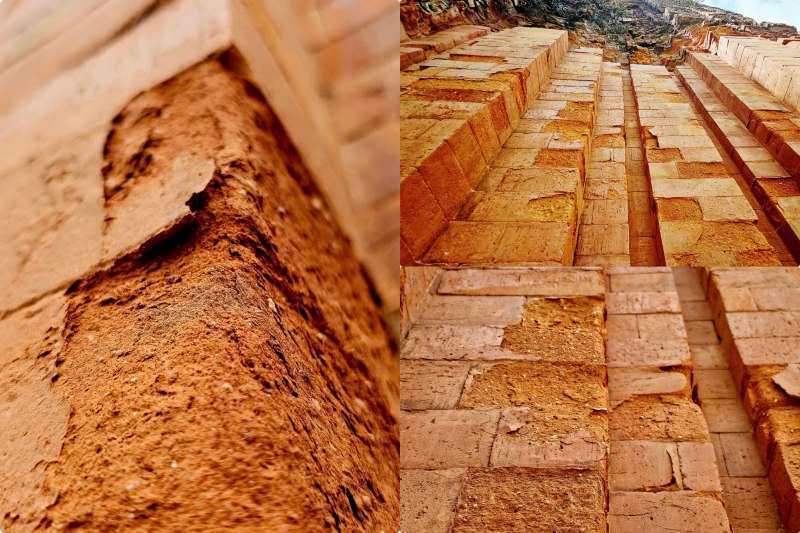
Regarding materials, Dr. Mara Landoni (Vietnam University of Science and Technology - Italy) noted: new materials in restoration must be extremely careful, because each Cham cluster has different techniques - ages - conditions; cannot choose bricks for convenience and expect compatible. For Khuong My, bricks purchased from another place (old Binh Dinh province) required testing and on-site verification before being put into the tower body.
Another problem is that the Construction Law does not have a separate item for relic works, causing many restoration packages to be classified as civil. As a result, the criteria for specific professional competence (experience in restoring Cham tower, archaeology - materials - conservation team) are not considered a decisive condition. It is time to have specific regulations for the Cham tower renovation project: from requiring a certificate of conservation contractor rating, to requiring an independent scientific council and a minimum material testing mechanism before construction.
The Cham Khuong My tower restoration project has shown the price of a "fast - compact - cheap" approach. Heritage does not need rushed rescue and then abandonment, but needs a scientific, transparent process and responsibility to explain it to the end - researcher Tran Ky Phuong expressed his opinion.
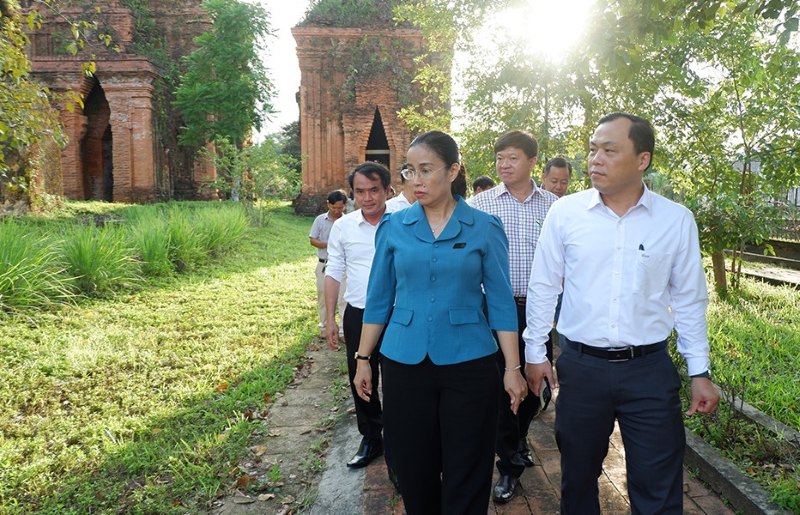
Da Nang is continuing to implement the project of Preserving, restoring and restoring the South Tower in the Cham Khuong My Tower Relic Site, the tower body and eastward gate, with a total investment of nearly 6 billion VND (mainly anti-collision).
Based on the actual inspection and report on the status of Cham Khuong My Tower, Vice Chairman of Da Nang City People's Committee Nguyen Thi Anh Thi emphasized that this is a relic with long-standing cultural and historical values, bearing the status of national and international heritage; the preservation, conservation and promotion of the heritage values of the relic sites is extremely necessary, facing the risk of collapse.
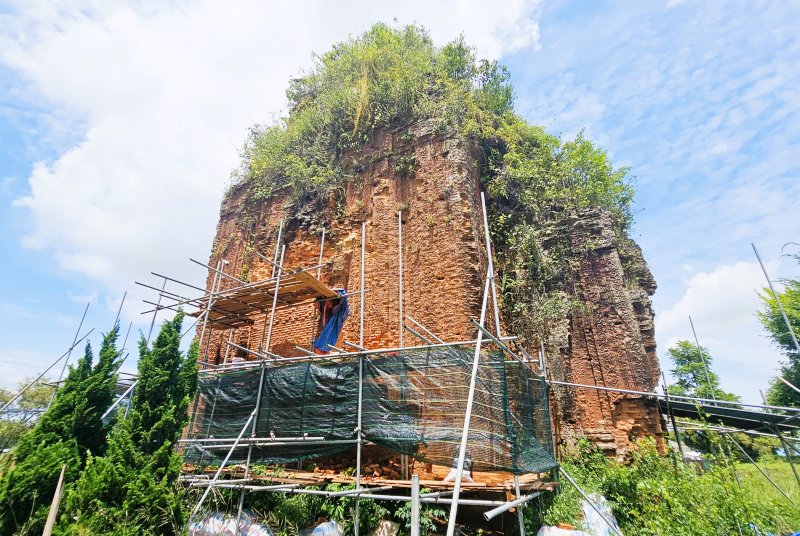
However, the public and experts are concerned about the deterioration - similar to the North and Central towers that have encountered after completing the restoration at a higher cost than before - which has not been completely handled yet.
"Only when there is enough funding for the overall solution, there is a qualified contractor, independent criticism and a public mechanism, will the restored bricks stand firm along with the old brick areas that have passed thousands of years of sunshine in Khuong My tower" - Mr. Phan Van Cam - former director of the Quang Nam Monuments and Scenic Landscape Conservation Center warned.


