
Recently, the Korean drama "Can this love be translated?" (Can you translate this love?) caused a fever when it appeared in the specialized Literature exam of the Hanoi 10th grade entrance exam in 2026.
Previously, the film was a hit on Netflix revolving around the love story of multilingual interpreter Joo Ho Jin (played by Kim Seon Ho) and rising actress Cha Mu Hee (played by Go Youn Jung).
What makes "Can this love be translated?" particularly attractive is that the film does not follow the usual emotional motif. The visuals and filming style have turned the setting into a unique language.
Each filming location is a part of the love story, recounting the emotional journey of Mu Hee and Ho Jin.
Japan - where the story begins
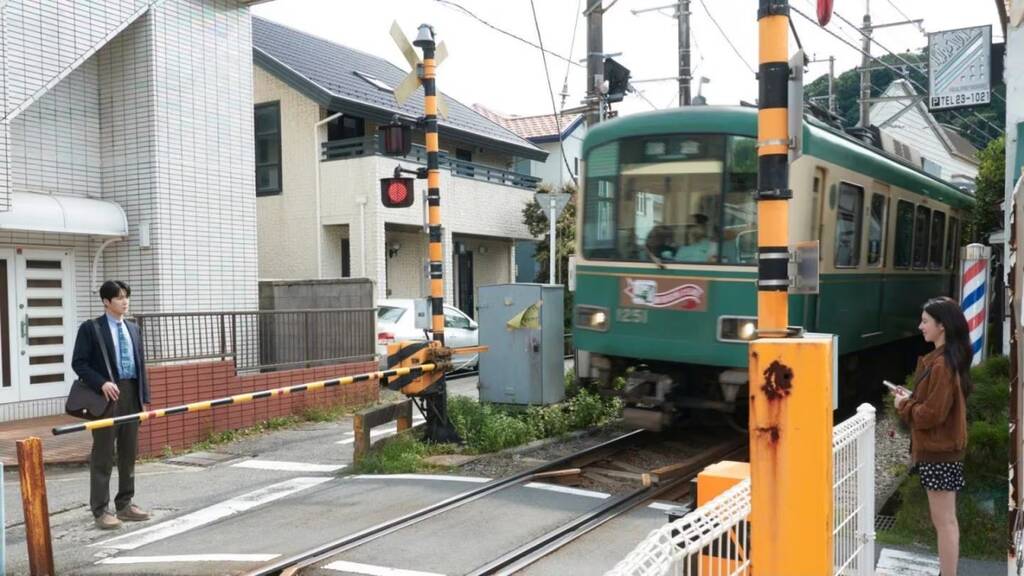

The first meeting of the two main characters is the small coastal city of Kamakura, which is easily recognized with iconic blue trains.
The peaceful space and the typical traditional features of Japan have created gentle and sincere moments between the two people. Here, emotions begin to be revealed not through words but through moments of silence.
It is that silence that seems to have foreshadowed the nature of their relationship - a love built from hesitation, reservation but also full of intimacy, gradually revealed over time.
Kim Seon Ho and Go Youn Jung also filmed at many other famous locations in Japan such as Gokurakuji station, Tenzan Lab restaurant, Torii gate of Enoshima Shrine, Enoshima Benzaiten shopping street, Katase Fishing Port...
Canada - where feelings gradually become deeper
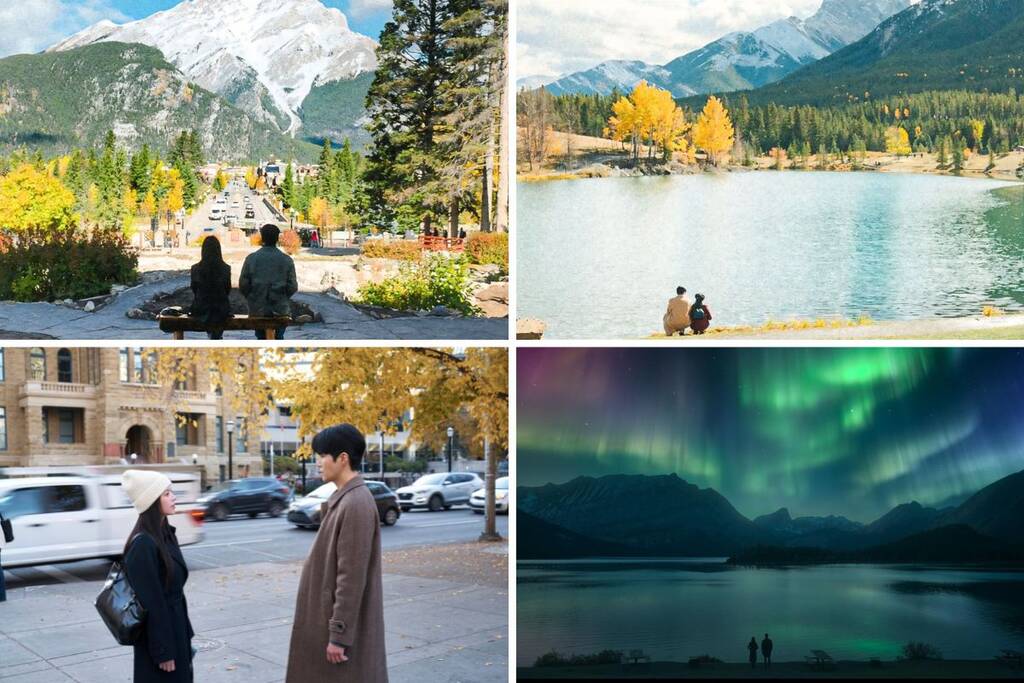

In Canada, vast natural scenes and endless green have pushed the characters closer together.
One of the prominent locations is Banff town, where the majestic scenery helps Ho Jin and Mu Hee have the opportunity to see more clearly the emotions in their hearts.
The spectacular aurora phenomenon plays the role of realizing Mu Hee's dream, proving the "power" of the four-leaf grass that she excitedly collected before.
Meanwhile, the scene at Lake Louise marked an important turning point in the relationship between the two. Their first kiss took place in a fairytale-like scene, perfectly blending with the magical beauty of this famous lake.
Calgary City brings a more urban rhythm, bringing the emotions of the characters back to everyday life.
Places like Rotary Park and Stephen Avenue became places for important conversations, as well as moments when they realized their true feelings.
Italy - where emotions reach their climax
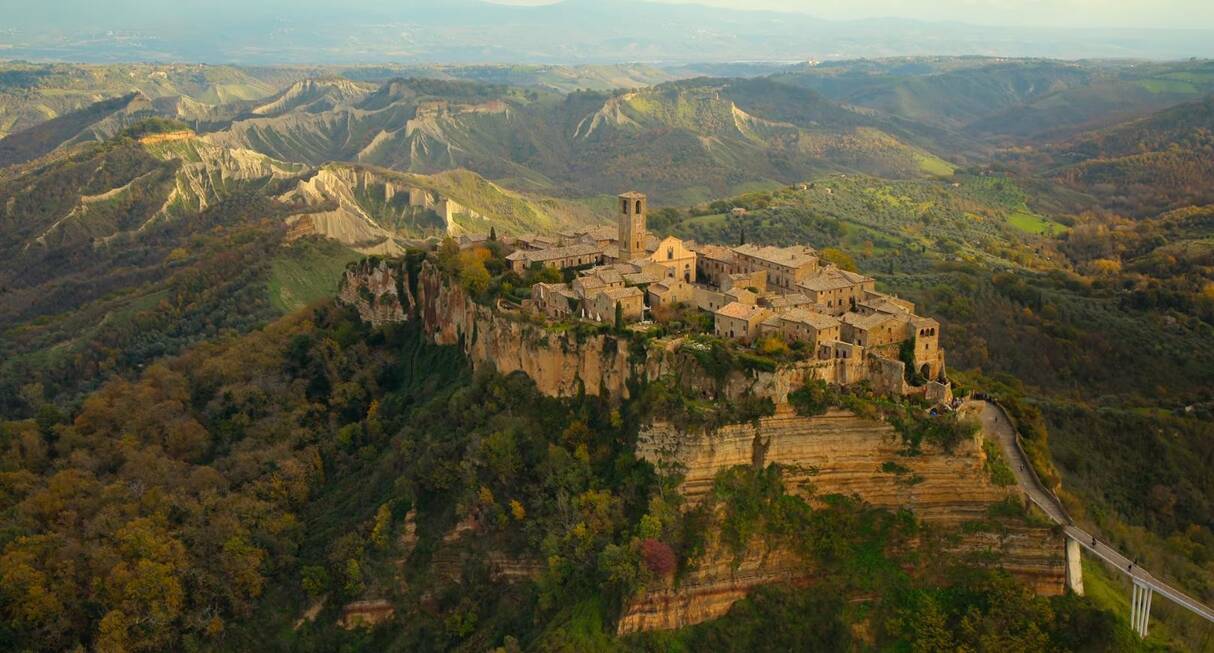
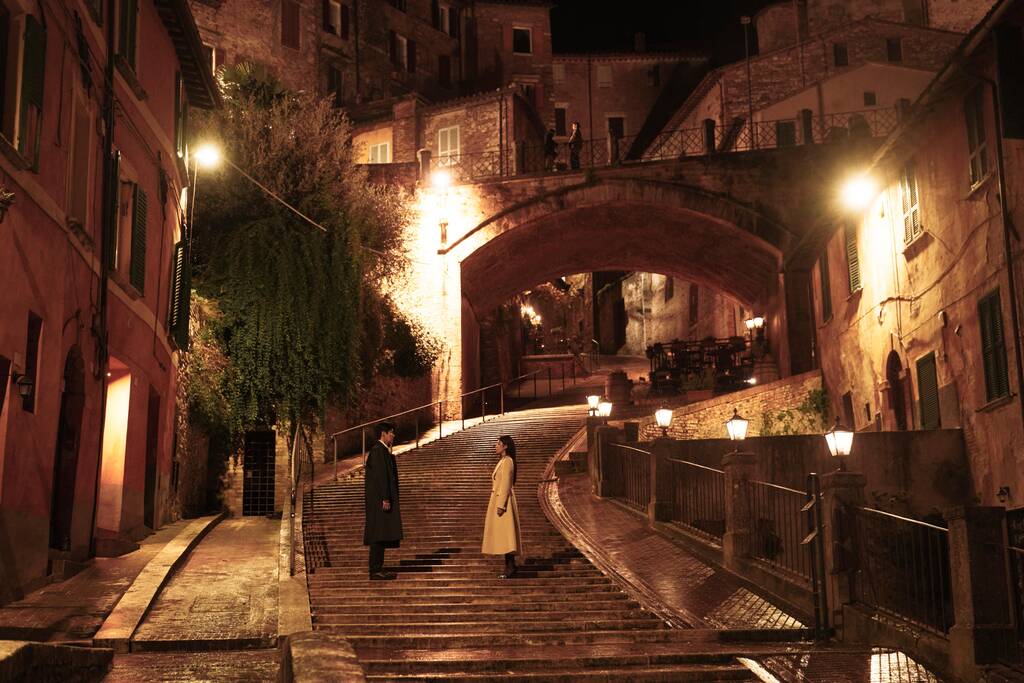
The journey through ancient lands and famous Italian bridges reflects the emotional climax in the film.
In particular, the ancient town of Civita di Bagnoregio with its long and narrow bridge leading into the village is used as an intuitive metaphor for the relationship between Mu Hee and Ho Jin.
It is a space suspended between two worlds, where connection requires both to bravely step forward and be willing to open their hearts to each other.
The closed stone streets and dark Gothic structures in Siena reflect insecurity within Mu Hee.
Another scene was filmed at Montalcino fortress - a famous work with its characteristic pentagonal architecture.
Besides, Florence - one of the most famous romantic cities in the world - also appears fleetingly in the film.
South Korea - returning to reality
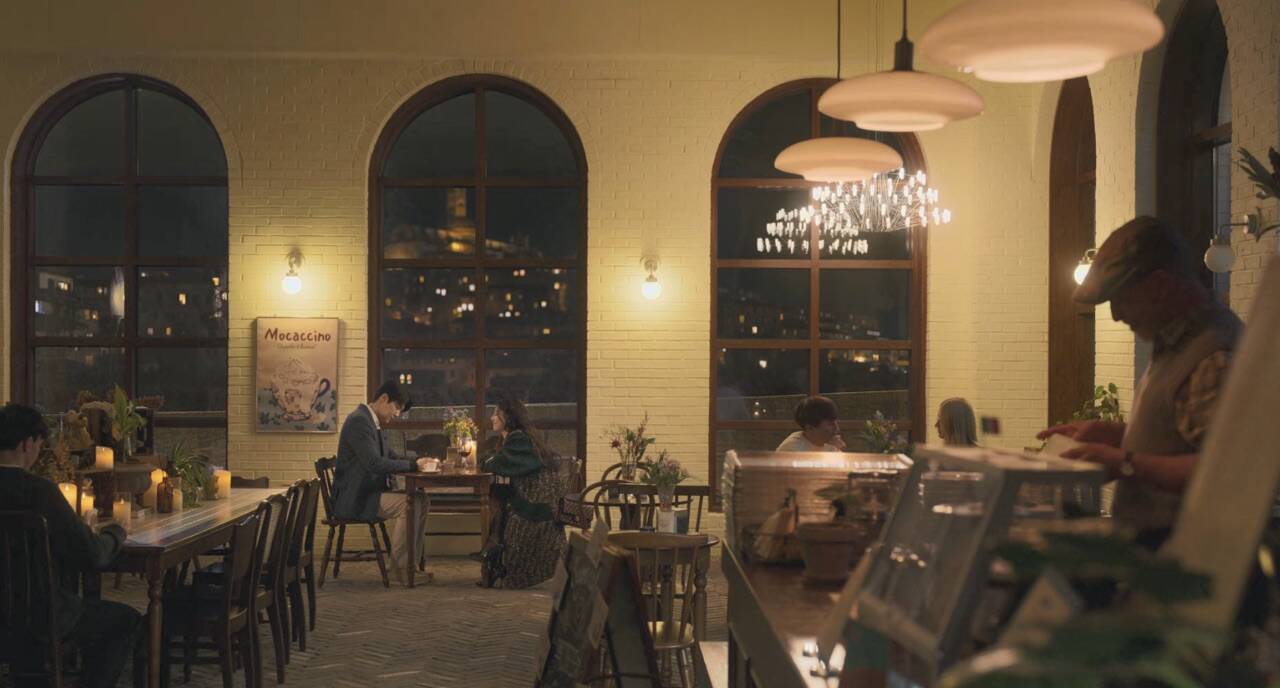
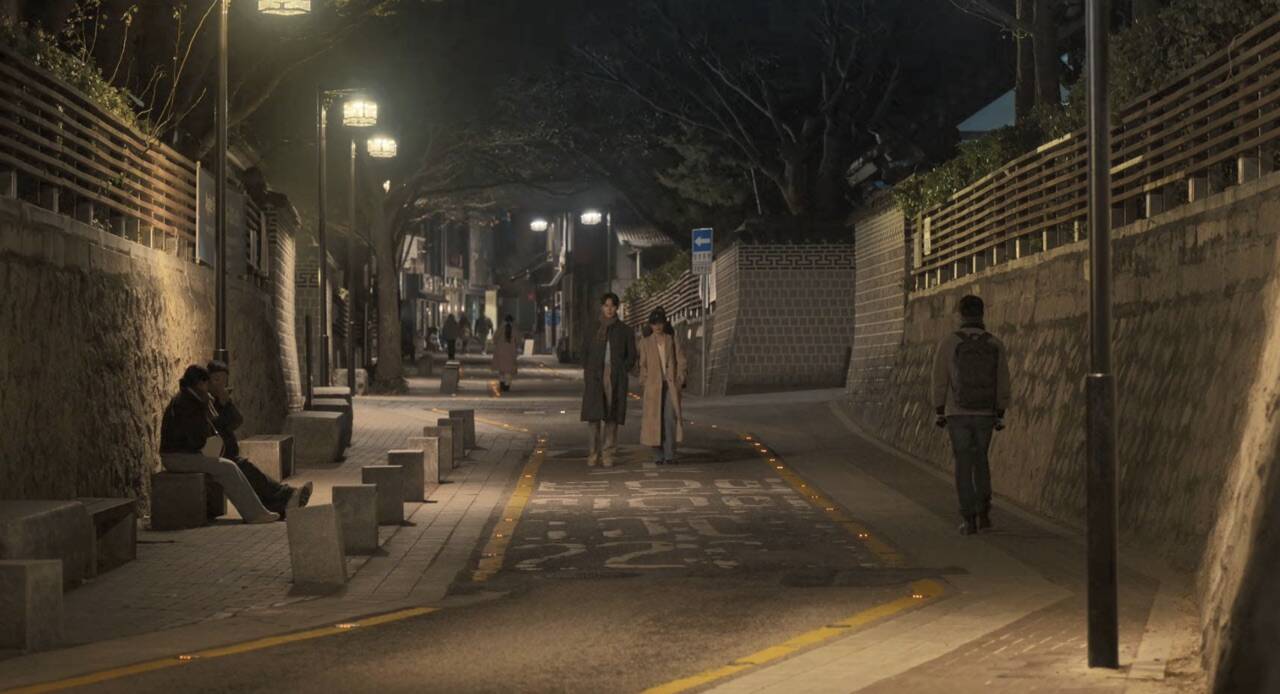
Finally, the story brings the audience back to Korea. If foreign trips represent the dream world and the escape from reality, then Korea is the place to bring everything back to real life.
In particular, Seoul plays the role of a deliberate color transition compared to previous locations. Prominent spaces in the film such as the Raum Art Center and Concino Concrete cafe bring unique architectural beauty and visual depth to the scenes.
Besides, more ordinary places such as Sunday Arvo cafe or Youngpoong bookstore also appeared, contributing to creating a feeling of closeness and authenticity.


