
To get to the "bee-eating" season in U Minh Ha (Ca Mau province), we have to follow small canals weaving through the vast cajeput forest.
Going deeper into the ecological core area, the urban sound gradually recedes, giving way to the chirping of forest birds, the sound of monkeys passing branches and the rustling of wind on the green melaleuca trees.
The area of U Minh Ha melaleuca forest is currently about 35,000 hectares, of which U Minh Ha National Park has more than 8,000 hectares of core conservation area. This is a wetlands ecosystem on alum soil and mud coal, typical of the Mekong Delta, playing an important role in biodiversity conservation and ecotourism development.
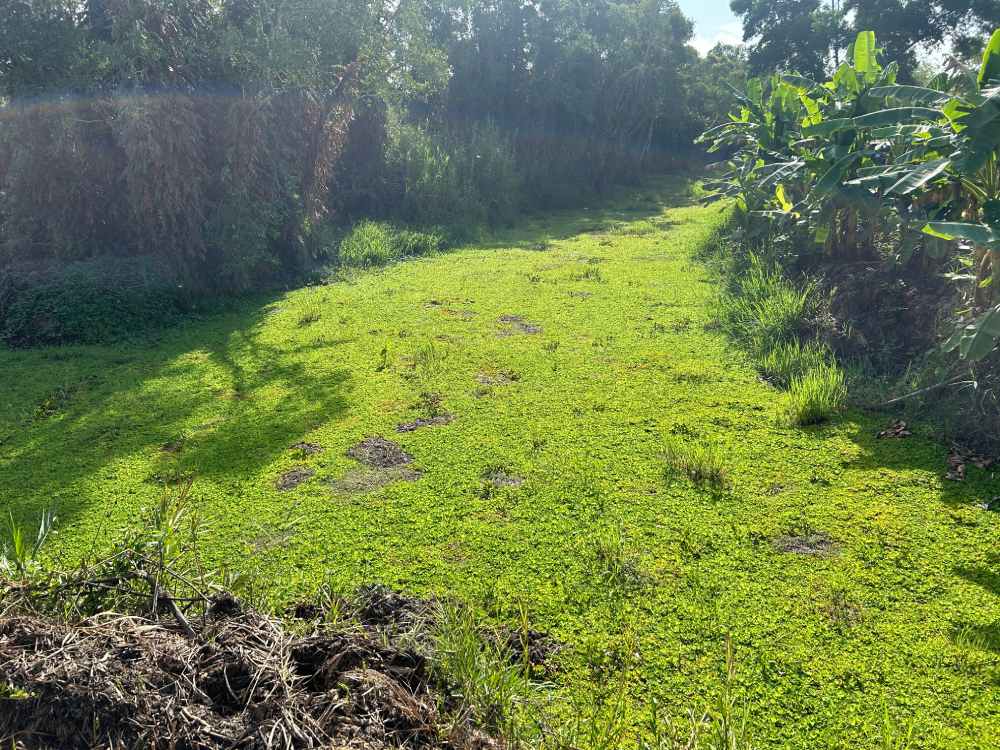
Not only famous for its primeval cajeput forests, U Minh Ha is also the cradle of the beehive keeper profession - a traditional profession formed from the time of land reclamation.
Every year, when the melaleuca flower season blooms, bee colonies from everywhere return to U Minh Ha melaleuca forest to nest. This is also the time when people enter the forest honey harvesting season, also known by the folksy name "bee-eating season".
Unlike many places, the people of U Minh Ha do not raise bees but create "helves" made of tree trunks to lure wild bees to nest. Thanks to the experience passed down from generation to generation, thehelves in the melaleuca forest have become the "home" of thousands of honeybee colonies.
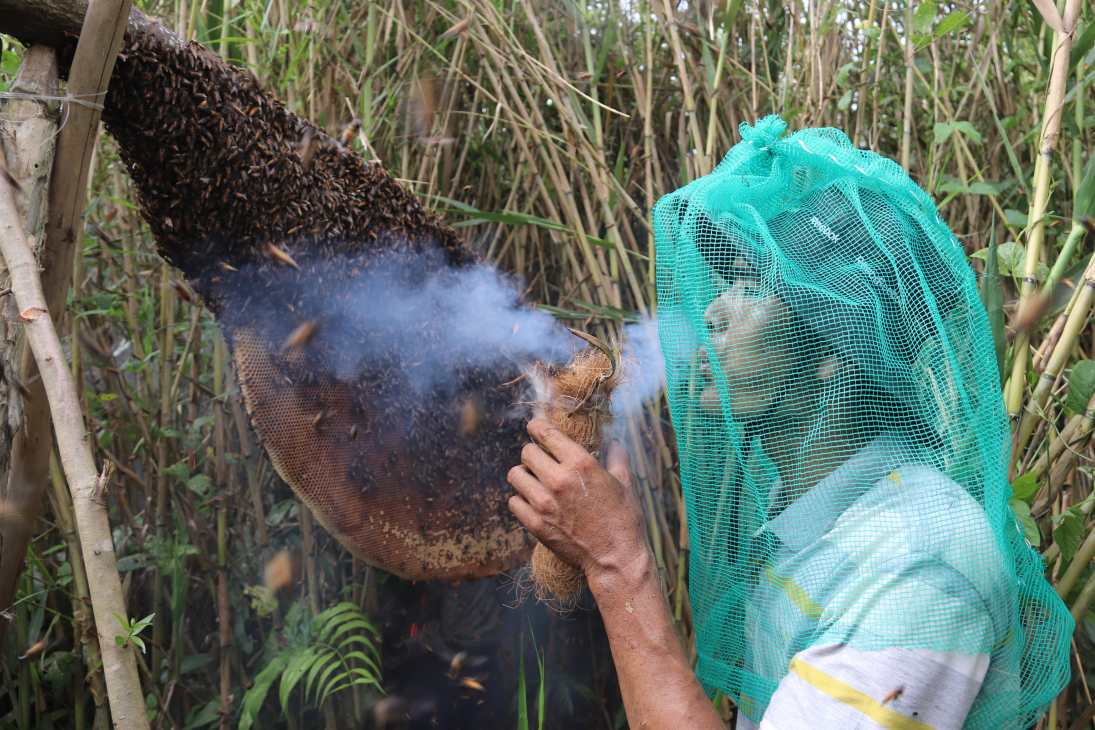
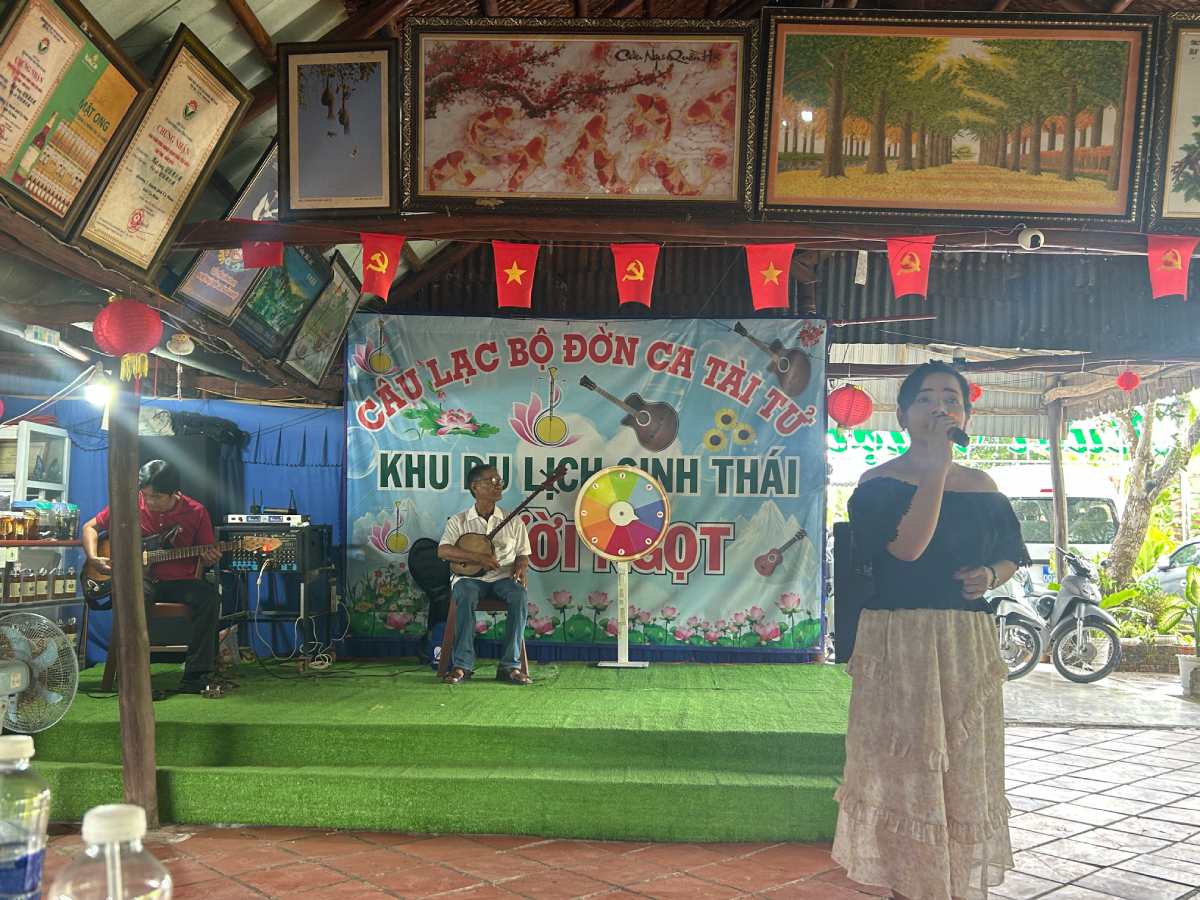
At Muoi Ngot Tourist Area (hamlet 10, Da Bac commune), visitors have the opportunity to directly experience the journey through the forest to find beehives, witnessing how the raft keeper takes honey amidst the lush green melaleuca trees.
Mr. Pham Duy Khanh - Manager of Muoi Ngot Tourist Area, said that the tourist area is exploiting the unique values of the U Minh Ha ecosystem to develop experiential tourism.
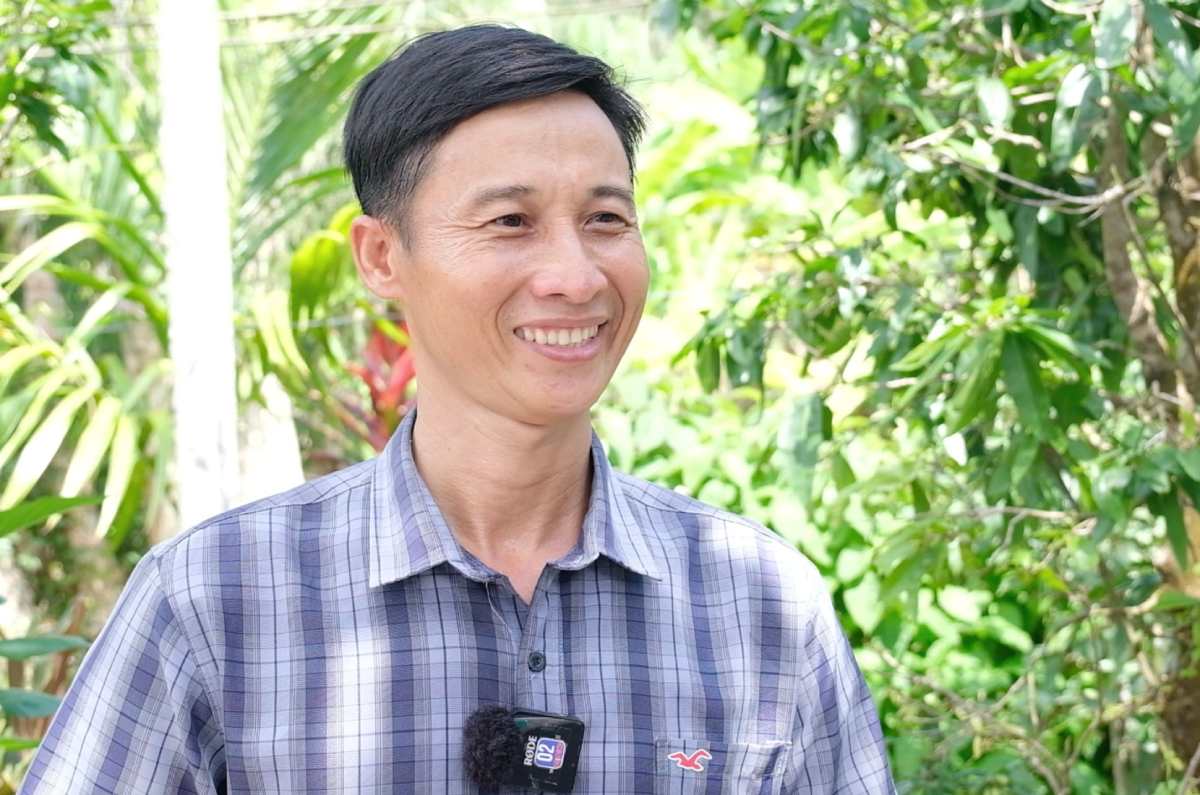
On an area of more than 60 hectares, including about 15-20 hectares of natural forest, visitors can not only learn about the profession of beehive guards but also dismantle hatches, dismantle traps, place traps to catch fish and explore the lives of people under the forest canopy.
“One of the most unique features that we want to introduce to tourists is the beehive keeper profession - a traditional profession associated with the land of U Minh Ha. Many people are very excited to see beehives in the forest for the first time and personally enjoy honey right on the spot” - Mr. Khanh shared.
According to Mr. Khanh, thanks to regularly guarding, caring for and creating a favorable environment for bees to nest, tourists coming here can learn about the bee guarding profession at almost any time.
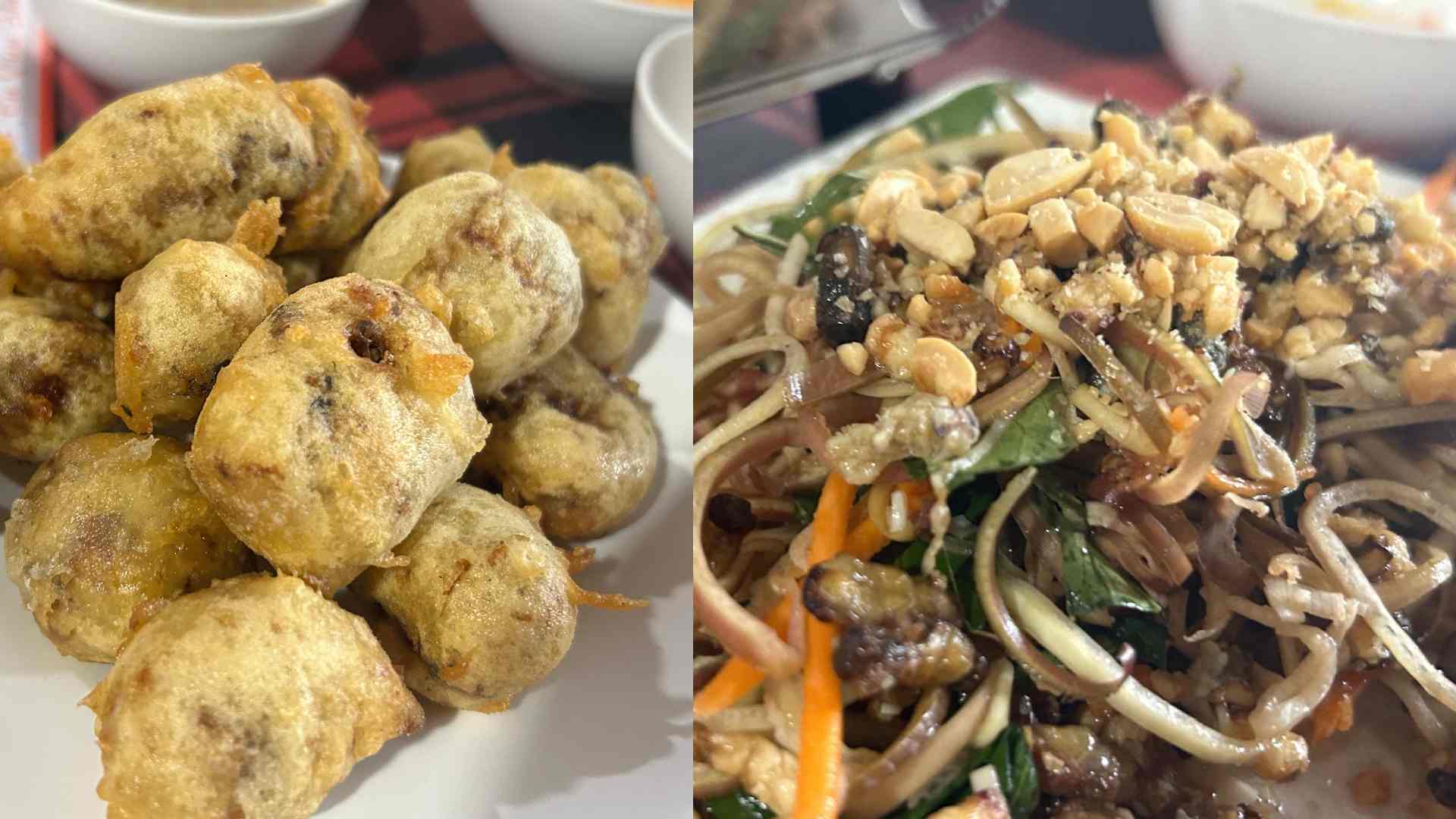
Even before the honey season, visitors can still experience activities related to bees such as enjoying pollen, young honey and listening to stories about the traditional craft of U Minh Ha residents.
As the person who directly guides visitors, what makes Mr. Khanh most satisfied is the true emotions of tourists after each forest crossing trip.
Many people told me that they are 70-80 years old, but this is the first time I have experienced catching bees and enjoying honey right in the nest. The surprise and excitement of tourists is the motivation for us to continue developing ecotourism associated with the bee caulding profession and the unique cultural values of U Minh Ha" - Mr. Khanh said.


