
Current challenges of the culinary industry
In the context that the food and beverage (F&B) industry faces a series of pressures from operating costs, ingredients, personnel to the rapid change in consumer behavior, the development story is no longer about chasing "hot trend" dishes, but about the ability to make strategic decisions to maintain long-term growth. This is also the message emphasized at Future Menus 2026.
The event introduces four trends predicted to lead the culinary industry in the near future, including Streetfood Couture, Borderless Cuisine, Culinary Roots, and Diner Designed.
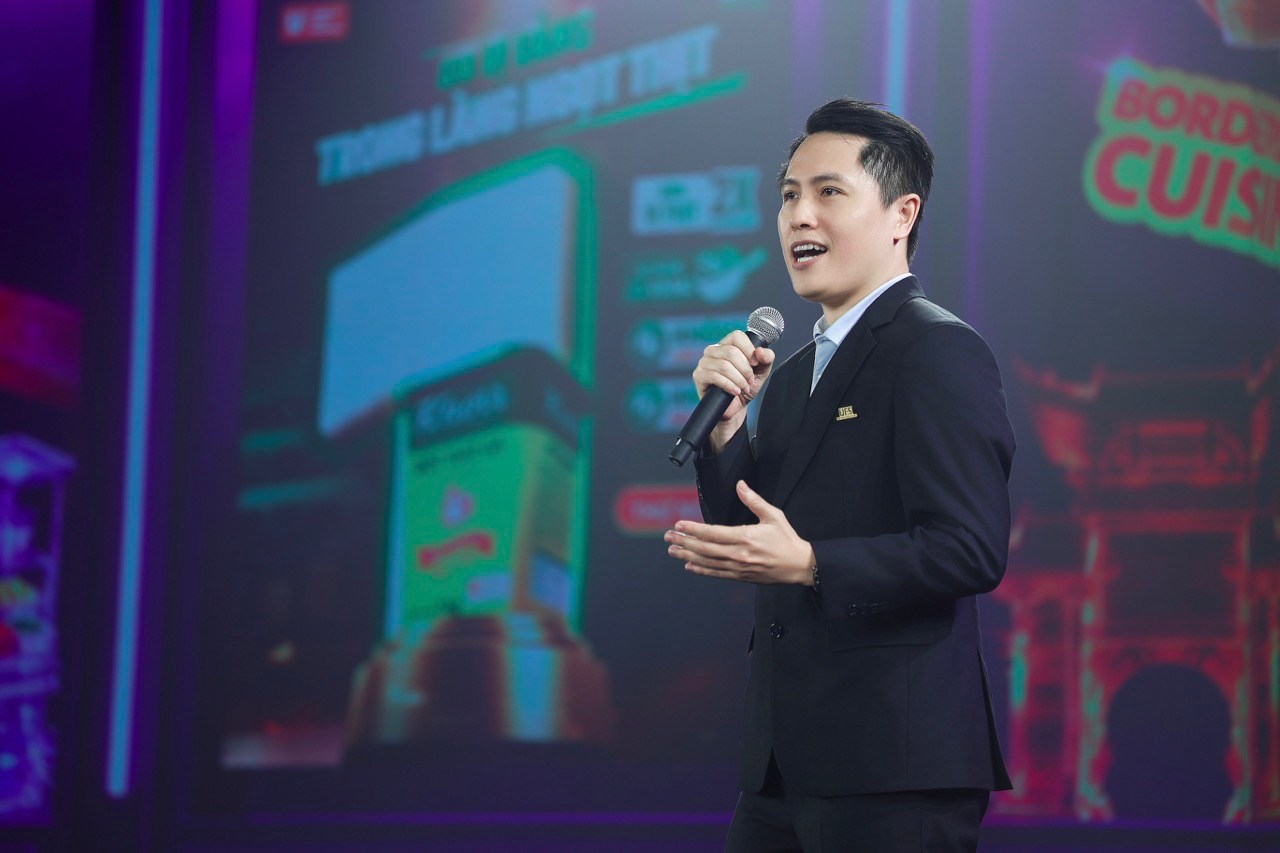
According to Mr. Nguyen Xuan Huy, Managing Director of Unilever Food Solutions Vietnam, the F&B industry is facing many fluctuations from raw material costs, operations to market changes. "The big question of the F&B industry today is how to keep the fire in the kitchen so that we can weigh every difficulty and please every customer," he shared.
The four trends introduced reflect clear changes in diners' needs. If Streetfood Couture shows the elevation of street food with modern techniques and presentations, Culinary Roots shows the trend of returning to local ingredients and local cultural values. Meanwhile, Borderless Cuisine exploits the intersection of global culinary cultures, while Diner Designed emphasizes the need to personalize the eating experience.
According to experts, these are not only inspiring trends but also the basis for restaurants to determine development strategies suitable for their business models, customer segments and operating resources.
AI becomes a chef's strategic assistant
A notable new point of Future Menus 2026 is the introduction of artificial intelligence (AI) as part of the journey of building menus and operating restaurants.
For many years, chef creativity has mainly relied on personal experience and market perception. However, as the life cycle of trends is shortening and customer tastes are constantly changing, "trying and failing" has become a costly and risky method.
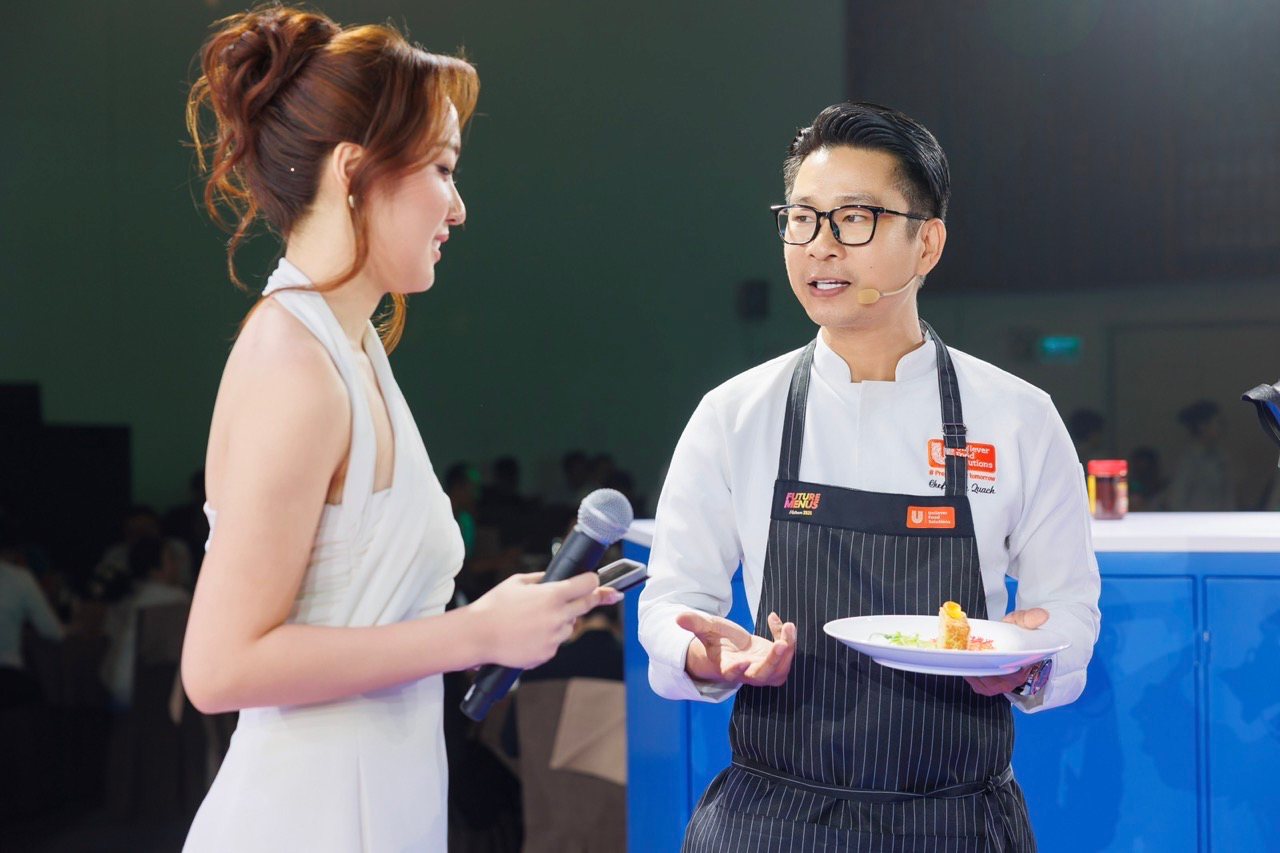
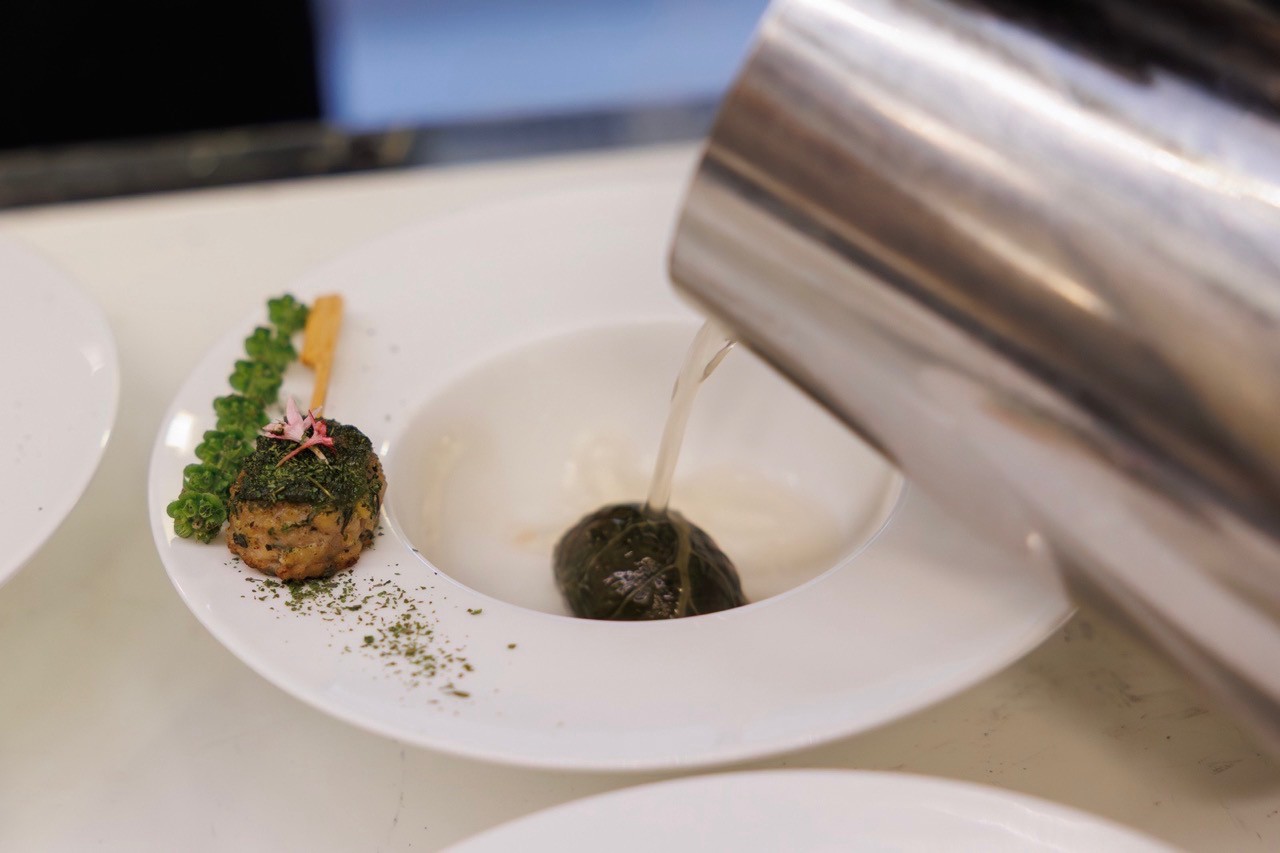
According to a representative of Unilever Food Solutions, AI can support businesses in analyzing consumer behavior data, recognizing trend signals, suggesting ingredients and flavor combinations, and supporting the personalization of menus according to each business model. Thanks to this, restaurants can shorten the time to research new products and make decisions based on data instead of feelings.
However, AI is not the solution to all problems. Technology can help process data and predict trends, but cannot completely replace creativity, professional experience or the ability to tell cultural stories through food.
That is also the reason why Mr. Nguyen Xuan Huy believes that the capacity of a modern chef is not just about cooking delicious food. Today's chefs need to understand customers, grasp trends, optimize operations and participate in the restaurant's business strategy planning process.
In the context that Vietnam's F&B industry is entering a more fierce competitive stage, the combination of trends, data and technology is considered the key to helping businesses both overcome current difficulties and build a sustainable competitive advantage for the future.


