
Based on 177 ranked relics, including 5 special national relics and 39 national relics, Dak Lak is gradually restructuring tourism products in the direction of exploiting the depth of identity.
Intangible heritage values such as the Central Highlands Gong Cultural Space or the Central Vietnam Bai Choi Art are integrated into the experiential journey, creating unique products. Along with that, festivals associated with the life of coastal residents such as the Cau Ngu Festival continue to be promoted, contributing to enriching the cultural experience for tourists.
Notably, the Dak Lak Tuna Festival 2026 with the theme "Golden Dove Essence - Aspiration to reach out to sea" is expected to be held in Tuy Hoa ward around April - May. The event will recreate the journey of forming the tuna profession, expressing gratitude to fishermen, combining lighting art performances, cuisine and experiential activities. This is not only a cultural activity but is also expected to become a driving force to stimulate demand, connect destinations, form an inter-regional tourism axis from the forest to the sea, expanding the development space for the eastern region of the province.
According to the Department of Culture, Sports and Tourism of Dak Lak, heritage is identified as an important endogenous resource for sustainable development. Combining indigenous knowledge with natural ecosystems in building tourism products not only contributes to cultural preservation but also creates a competitive advantage for the locality.
In 2026, the locality sets a target of welcoming 8 million visitors, tourism revenue of about 16,000 billion VND, an increase of 17% compared to the previous year. To achieve this goal, the province is implementing many synchronous solutions such as completing forest-sea connecting infrastructure, promoting socialization, and attracting investment in key projects.
Digital transformation is also focused on with the development of digital tourism maps and "food passports", helping tourists easily access information and experience. In parallel, the province promotes community tourism development, supporting people to directly participate in the value chain, thereby linking heritage preservation with sustainable livelihoods.
Dak Lak identifies tourism as a key economic sector, playing a spreading role to many fields. The reorganization of tourism space, especially expanding to the East connecting with the South Central Coast, is expected to create motivation for development for areas that are still facing difficulties.
According to Director of the Department of Culture, Sports and Tourism Tran Hong Tien, besides recognized heritages such as gongs, Bai Choi, epic poems or traditional handicrafts, the province also has a great advantage from coffee culture - a "living heritage" that is developing strongly.
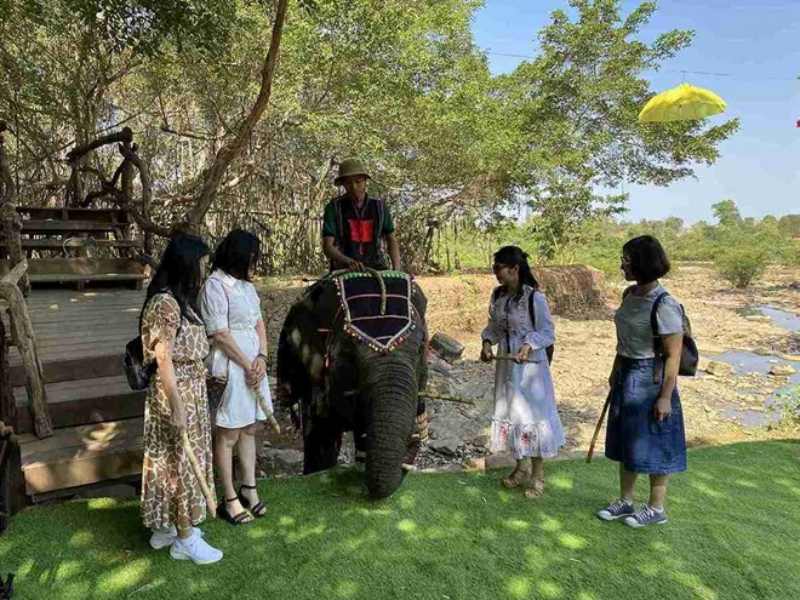
In 2026, Dak Lak province will research and develop 1-2 community tourism models associated with heritage; build and test operate 1 specialized heritage - geology (sea - forest - community tourism village) tourist route based on the connection of existing points for evaluation and replication.
In the long-term orientation, the province will promote the value of coffee heritage associated with green economy, sustainable agriculture, agricultural tourism and cultural industry. At the same time, focus on improving community knowledge, improving livelihoods for people, towards sustainable development based on cultural foundations.


