
Renew space, retain tourists
Amidst the bustling pace of life in Ho Chi Minh City, hundred-year-old markets such as Ben Thanh market, Binh Tay market or Tan Dinh market still maintain their own vitality in the heart of the city. Faced with the strong development of supermarket systems and modern commercial centers, management boards and local leaders at long-standing markets are proactively renewing their image, upgrading spaces and promoting tourism activities to both preserve heritage values and adapt to the needs of the new era.
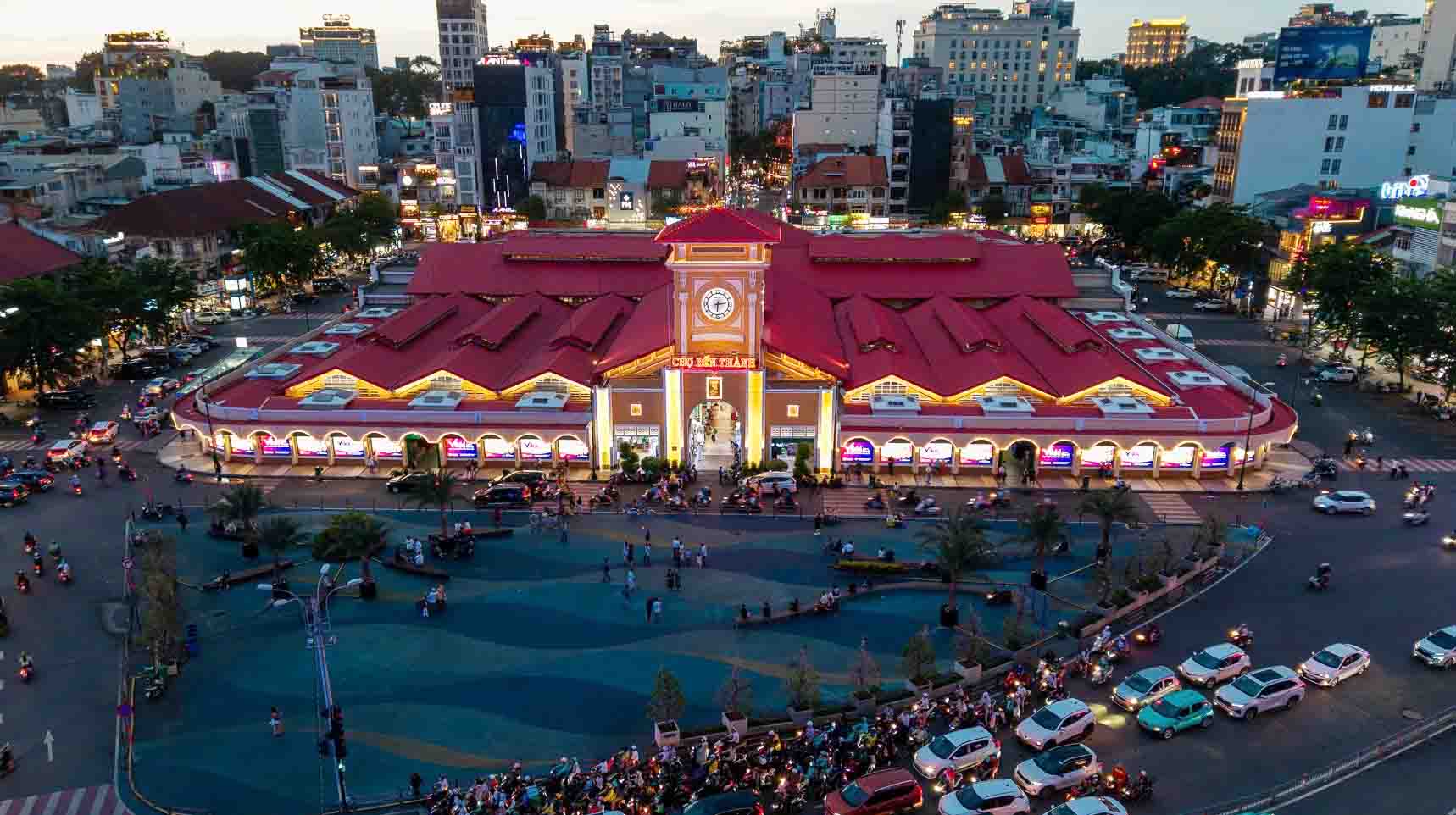
At Ben Thanh market - one of the most famous tourist destinations in Ho Chi Minh City, small traders are making efforts to change to meet the increasingly diverse needs of customers. Many stalls apply discount programs from 10-20%, receiving Ao Dai tailored within 24 hours, and at the same time deploying cashless payment methods with QR codes and e-wallets. These changes help tourists to be more convenient in the shopping process, while enhancing the experience when visiting the market that is more than a century old.
Traditional markets still retain their unique features, attracting tourists, so many people still choose this as a destination to experience. Customers not only come to shop but also want to learn about local culture, enjoy cuisine and feel the typical trading atmosphere of Saigon" - Ms. Kim Anh, a small trader at Ben Thanh market, shared.
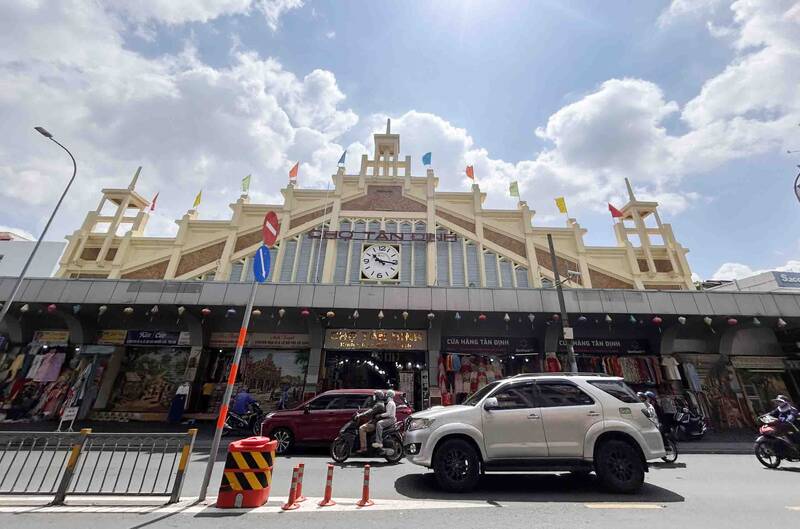
Not only Ben Thanh market, many other ancient markets such as Binh Tay market or Tan Dinh market are also promoting promotion, spatial renovation and service quality improvement. Besides their role as important goods distribution hubs, markets are increasingly positioned as tourist attractions imbued with the history and culture of the city.
From buying and selling points to experiential destinations
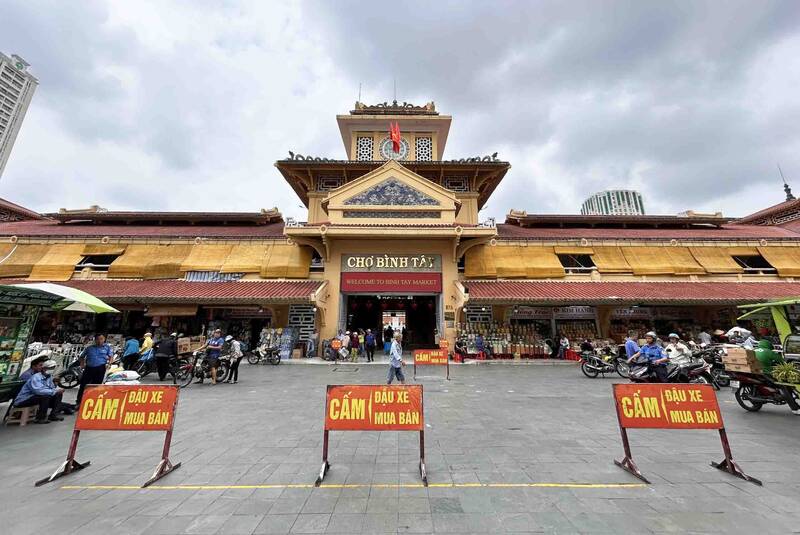
Cho Lon night street in the Binh Tay market area officially opened from the end of April as an example. The new space quickly became a highlight attracting people and tourists, contributing to making the heritage area lively when night falls. Culinary activities, shopping and unique cultural experiences are opening up new directions for exploitation, connecting the historical values of the market with modern tourism life.
Ms. Tran Kim Phuong - a small trader doing business at Binh Tay market, said that the development of tourism activities and nightlife spaces is bringing new vitality to the market area.
In recent years, the number of shoppers has changed because people have more choices. However, during the day, tourists still like to come to Binh Tay market to visit architecture and enjoy cuisine. Meanwhile, night streets are busier, and many tourists stay longer instead of just stopping by and leaving" - Ms. Phuong said.
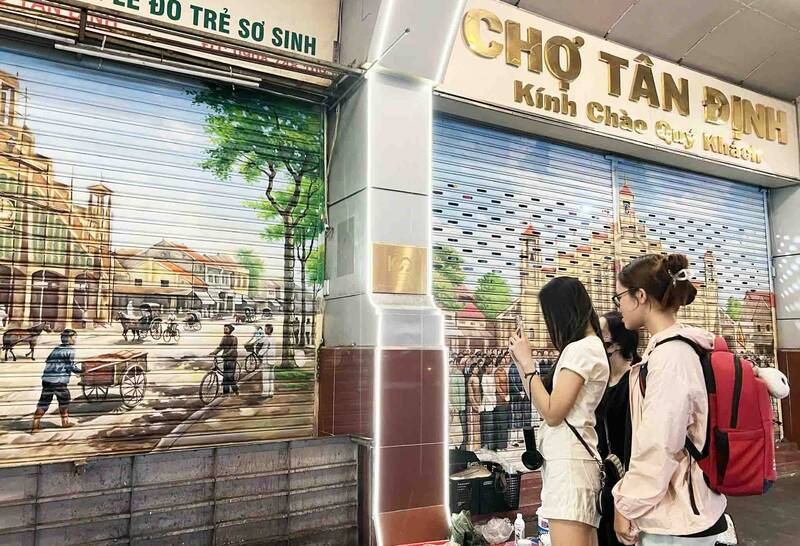
Meanwhile, at Tan Dinh market, the public art project "Tan Dinh Market - City Heritage" has contributed to renewing the face of the city's long-standing market. The project stretches about 45 m in the front area, creating a lively highlight for the space that has been associated with many generations of Saigon - Ho Chi Minh City people.
Currently, Ho Chi Minh City has 405 markets, including 3 wholesale markets and 402 people's markets, parallel to a network of about 300 supermarkets, 66 shopping centers and more than 3,800 modern retail stores. Despite increasing competitive pressure, traditional markets still play an important role in the circulation of goods, especially essential items such as fresh food, vegetables, fruits, beverages and fresh flowers.
According to the Ho Chi Minh City Department of Industry and Trade, the city will continue to develop a multi-channel distribution system, harmoniously combining traditional and modern trade. In that context, long-standing markets are not only places for trade but are also gradually becoming "living heritage" of the city, contributing to preserving cultural identity and creating more attraction for the city's tourism industry.


