
Vietnam's tourism is facing the need to change the way of development to adapt to new challenges of the environment, society and market. As the pressure on resources, infrastructure and experience quality is increasing, the concept of green tourism and sustainable tourism is gradually becoming a widely accepted approach, not only at the policy level but also in practical operations at destinations.
In that flow, many localities, businesses and specific models have shown remarkable ways of doing things, contributing to shaping a soft but durable direction for Vietnam tourism.
Lao Dong had a conversation with Dr. Nguyen Anh Tuan - Director of the Institute of Tourism Economics (Vietnam Tourism Association - VITA) on this topic.
Sir, in the context of green tourism, sustainable tourism is identified as an important pillar in the strategy of improving competitiveness and towards the net zero goal of Vietnam tourism, in your opinion, how should we approach and understand these concepts correctly to avoid being unfavorable or formal?
We need to look at the overall picture of green tourism, and answer the question: How to achieve the principles and goals of sustainable development?
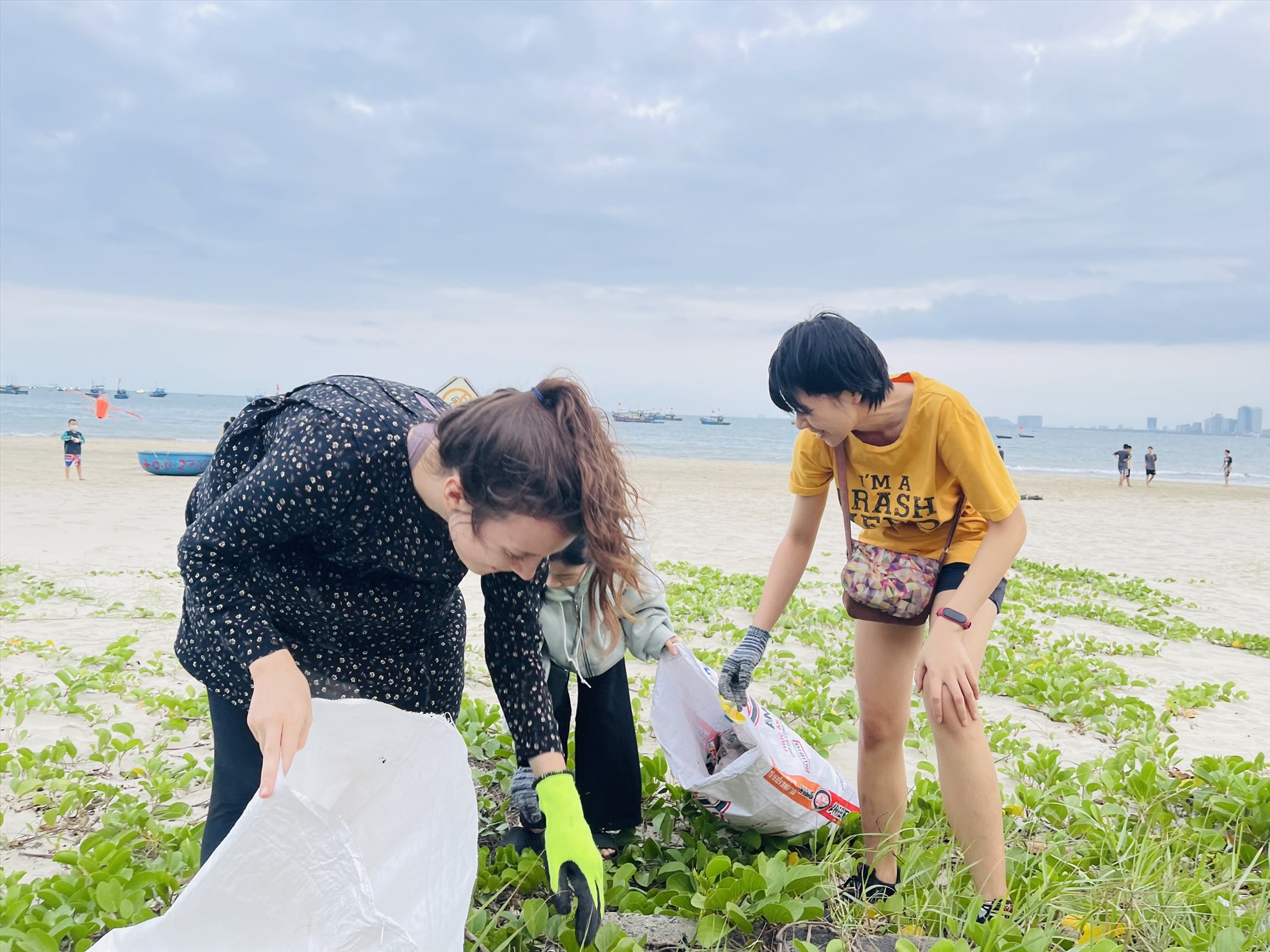
Many places today only understand "green" tourism as planting trees or cleaning up trash. But in reality, "green" must include planning, infrastructure and public investment. Green infrastructure includes wastewater treatment systems, waste, energy systems and the use of clean water sources.
First, save energy, because this is the most effective way to protect the environment. Second, businesses need wastewater treatment systems to prevent pollution. Third, use resources economically and effectively.
In particular, we must protect natural and cultural resources, not allowing immediate benefits to destroy these resources. In particular, it is necessary to create jobs and livelihoods for the local community. When people are aware of the value of heritage and resources, they will be aware of protecting resources.

From domestic and international practices, what are your assessment of typical green and sustainable tourism development models that Vietnam can refer to and learn from in the process of shaping the long-term direction for the tourism industry?
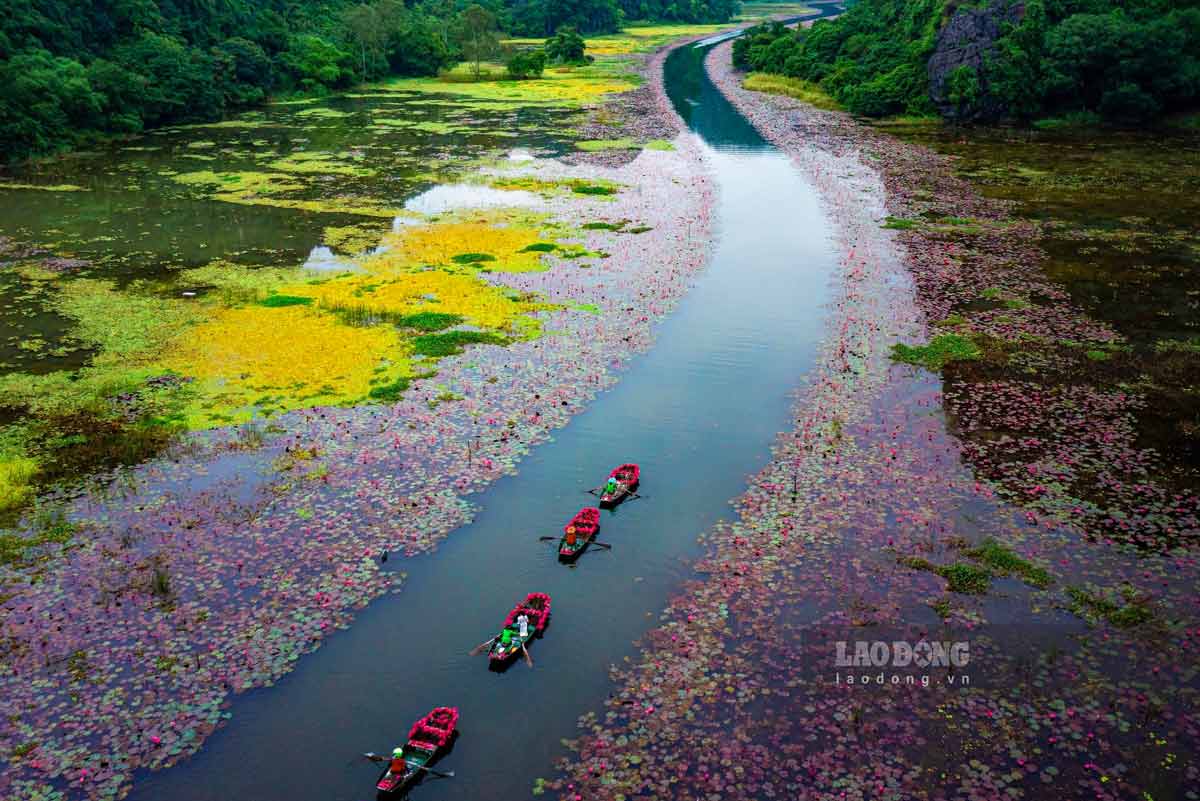
Hoi An is a typical example of heritage conservation and promotion. In addition, Ninh Binh is also a locality that focuses on environmental issues. During the development process, Ninh Binh has developed tourism plans with the top priority of environmental protection. They have rejected projects that could disrupt natural resources and focus on sustainable development. This has helped Ninh Binh become an attractive destination, attracting many tourists interested in the environment.
Can you share some experiences or typical sustainable tourism development models in the world, especially from countries with similar conditions to Vietnam?
In the international arena, a typical example is Maldives, a developing country like Vietnam. Despite many economic difficulties, they have chosen sustainable development and businesses here are very aware of this issue. This plays an important role in raising awareness of the business community, helping them understand the benefits of sustainable development and turn it into a real action from the heart, without needing reminders from management agencies.
For the Maldives, tourism accounts for 60-70% of the economy, so they are especially aware of the role of sustainable development. However, the important thing is that they realize the long-term benefits that sustainable development brings to the country. Developed countries such as Switzerland, Austria, the US, Canada, Australia... have been doing this for a long time and are always at the top of competitiveness rankings.
According to him, in the process of promoting green tourism and sustainable tourism, how is the role of the business community and the press and media expressed, and from practical activities in Vietnam, what are the specific models and methods showing the shift from awareness to action?
Raising awareness of sustainable development requires the participation of both the business community and the press and media. Many businesses have clearly recognized and applied sustainable development measures in their operations, because they are not only interested in economic benefits but also focus on social issues and environmental protection.
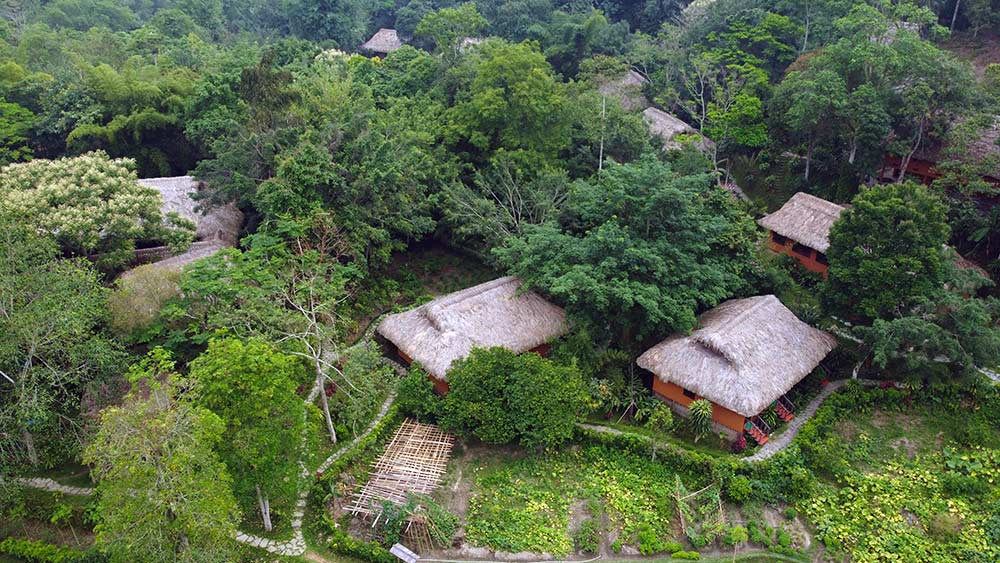
I can mention accommodation establishments that promote sustainability in operations such as Topas Ecolodge in Lao Cai, Six Senses in Con Dao (Ba Ria - Vung Tau), Emeralda Resort in Ninh Binh... These businesses have applied measures to use solar energy, invest in wastewater and wastewater treatment systems, use clean and water-saving energy sources.
In particular, Topas Ecolodge has invested in a glass crusher that can break glass bottles into fine sand, to reuse as concrete in construction and maintenance.
Not only stopping at internal business activities, how have green tourism models affected the awareness and behavior of tourists as well as the local community at the destination?
For passenger transport businesses, sustainable development measures can be applied, including: using energy-efficient and smoke-free vehicles, applying waste treatment measures on vehicles.
furthermore, hotels can encourage tourists to wear scarves for 2-3 days, instead of replacing them daily to save water. They also put polite slogans in the restroom to remind customers to save water and protect the planet. Many facilities have applied solar energy during their operations. Businesses also raise tourists' awareness of environmental protection through these measures.
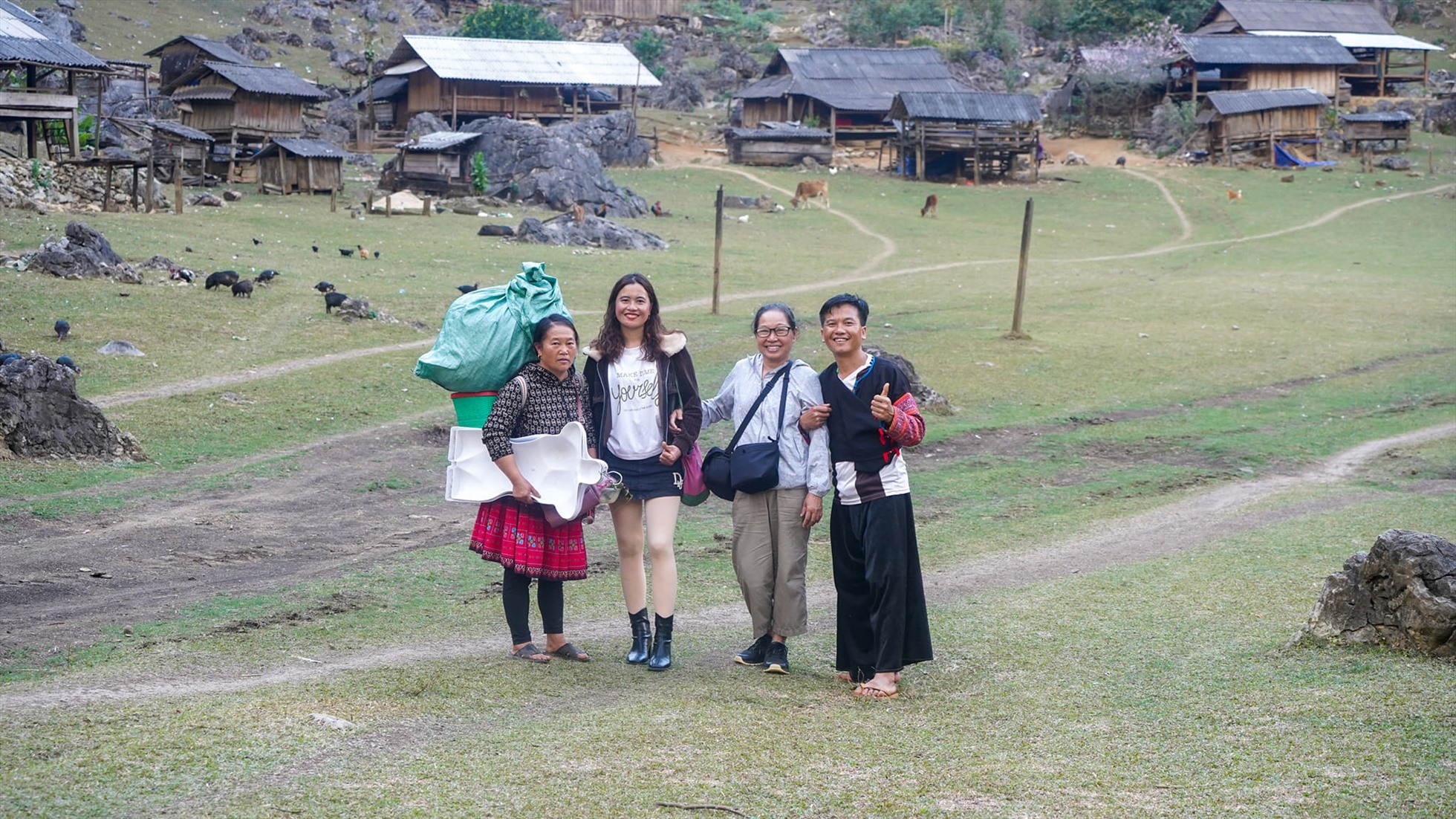
During my research and field trip, I remember most the visit to a community tourism business model in Van Ho, Son La. A Chu, the owner of the homestay named after him, welcomed us affectionately like many other visitors from far away. What I noticed in this H'Mong owner's homestay was that every small item from toothpick containers, trash bins to lampstands, and heating fans was made from wood or bamboo.
The most memorable moment seems to have come from something too much in the ordinary. That was when he took a tourist on the hill and saw a piece of garbage falling on the roadside, A Chu immediately bowed down to pick it up. That small action is something he has to guide and mobilize people when everyone builds a community tourism model.
To attract visitors, the first thing to do is to preserve the environment and clean. And A Chu was self-conscious, naturally doing that in her daily life. When people are aware of the issue of environmental and resource protection, they not only bring benefits to themselves but also spread that spirit in the community, serving tourists.
From a market perspective, developing green tourism and sustainable tourism can contribute to attracting and increasing groups of customers with high spending and civilized awareness when traveling, sir?
That's for sure! The environment is an important factor that tourists are currently very interested in, especially those who are willing to spend money. In particular, tourists from developed countries attach great importance to the issue of resource protection and respect for indigenous cultures.
After the COVID-19 pandemic, many people want to go to places with pristine nature and rich indigenous culture. Investing in sustainable development not only attracts tourists but also brings great economic efficiency, creates jobs and protects the environment. Countries with high tourism competitiveness such as Austria, Switzerland, Canada... all pay attention to environmental issues, and this has increased their national competitiveness.


