
From increasing visitor numbers to the problem of increasing spending
Resolution No. 26-NQ/TW dated August 22, 2026 of the Politburo on developing Vietnamese tourism to become a key economic sector in the new era sets a target of welcoming 45-50 million international visitors, 160 million domestic visitors, total revenue from tourism reaching 80-90 billion USD and contributing 10-12% of GDP by 2030. These figures place the tourism industry in front of the demand for in-depth growth, in which the ability to extend stay and increase tourist spending is of great significance.
Assessing the above goal, Mr. Pham Hai Quynh - Director of the Asian Tourism Development Institute (ATI) said that the big challenge is not in attracting how many tourists but in the ability to create added value and revenue per person.
If many customers come but spend at a normal level and have short stays, it will be very difficult to achieve the goal of contributing 10-12% to GDP. We need to shift the growth model from breadth to depth," Mr. Quynh analyzed.
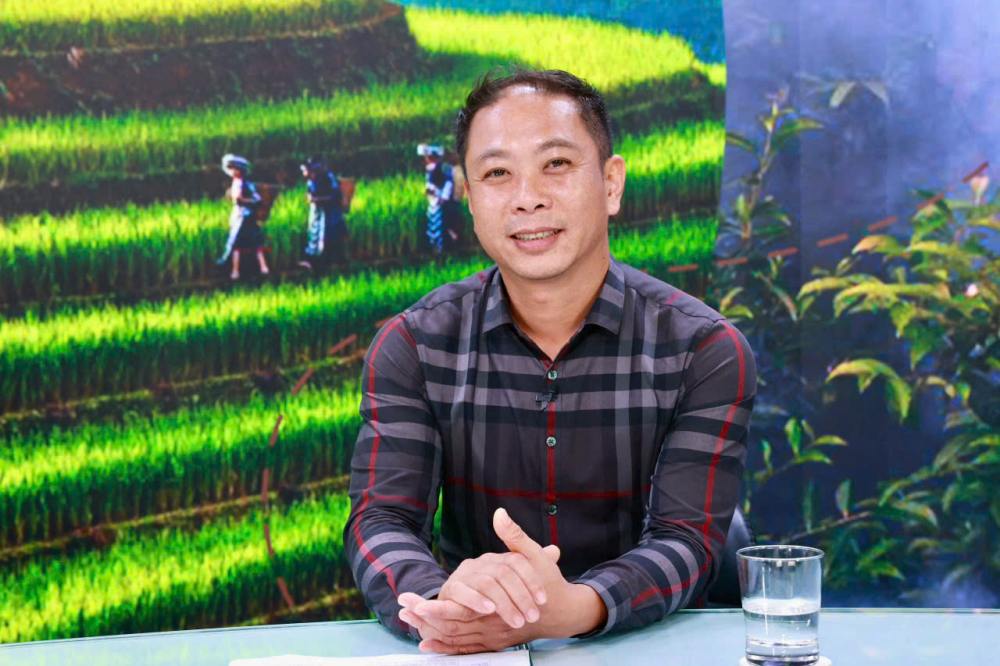
According to Mr. Quynh, Vietnam is lacking a rich enough experience and consumption ecosystem at destinations. Beautiful landscapes, safety and reasonable prices may create reasons for tourists to choose Vietnam, but it is not enough to keep them longer.
International tourists often see Vietnam as a beautiful, safe, and reasonably priced destination, but do not know where to spend the money," this expert said.
This gap lies in products and services that can make tourists spend more time at the destination. Night economy, international-scale performance programs with Vietnamese cultural identity, high-class MICE, and health tourism are areas with much room.
Along with that, destinations need to deepen existing values instead of just taking tourists to visit and then end the journey. A heritage, a cultural space or a local dish needs to be developed into an experience so that tourists can spend time exploring, enjoying and spending.
With more experience, the trip can also be longer. This is also a way to create a reason for people who have been to Vietnam to return, instead of just repeating the old journey each time they return.
Resolving bottlenecks from destination management
The problem of creating more value from tourism, according to Mr. Pham Hai Quynh, cannot be separated from the way destinations are managed. This is also one of the biggest bottlenecks that needs to be removed if we want to shift from extensive growth to intensive growth.
The biggest bottleneck hindering the development of Vietnamese tourism today lies in destination management thinking and linkage institutions. We are lacking Destination Management Organizations with sufficient authority, resources and professional capacity to coordinate the entire tourism ecosystem.
When destination management is still scattered and lacks professionalism, the inevitable consequence is product duplication, the tourism environment is easily overloaded, unsustainable development and regional linkages only stop on paper," Mr. Quynh analyzed.
According to experts, the way of evaluating tourism efficiency also needs to be changed, avoiding localities focusing only on the number of visitors. When the number of visitors becomes the main measure, the values that tourism creates for the economy, community and environment are easily underestimated.
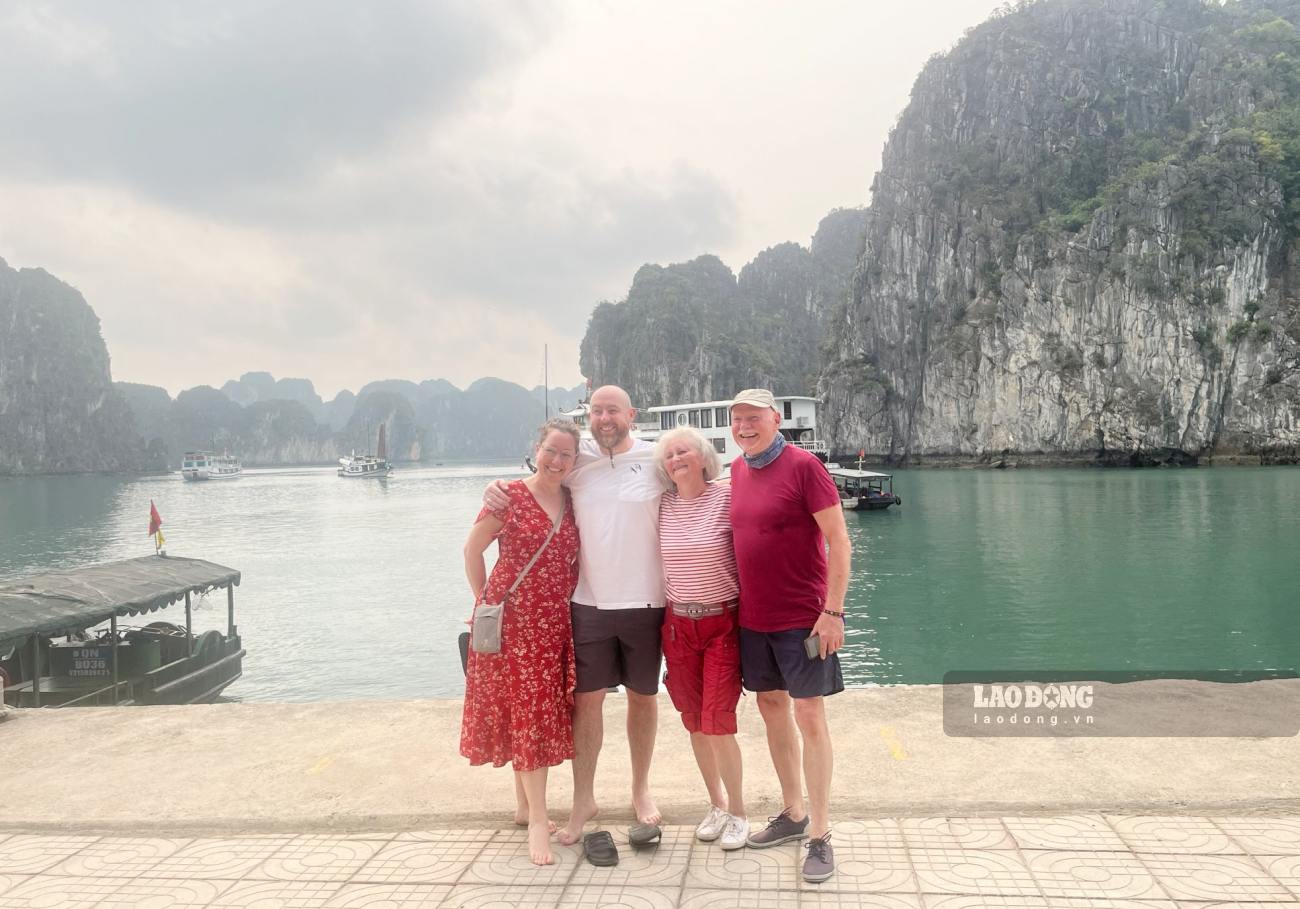
To strongly transition to a quality, green and smart tourism model, localities and businesses need to bravely overcome the'achievement disease' of the number of visitors. Localities must measure tourism efficiency by budget contributions, the increase in livelihoods of indigenous communities and ecological conservation indicators, instead of chasing after mechanical number of tourists," Mr. Quynh said.
From a business perspective, he believes that green tourism and digital transformation should also be seen as real competitiveness instead of stopping at promotional messages.
For the regional linkage problem between growth poles such as Hanoi, Ho Chi Minh City, Da Nang and 20 national tourist areas, the key lies in a clear'role-playing' in the value chain. The three growth poles must take on the role of a funnel to welcome guests, a center for connecting logistics, finance and coordinating visitor flows. Satellite localities need to focus on developing unique products based on core strengths instead of copying each other's models," Mr. Quynh said.
On the other hand, localities need to jointly build brands, infrastructure and promotion resources. Substantive linkage only appears when the parties jointly build a common regional brand, plan synchronous transport infrastructure connections and share trade promotion resources professionally.


